10 of the Best Italian Restaurants in Amsterdam for Every Occasion
Walk into Amsterdam's emerging Italian dining scene and you'll discover something unexpected: chefs who've abandoned Continental compromise in favor of rigo
Walk into Amsterdam's emerging Italian dining scene and you'll discover something unexpected: chefs who've abandoned Continental compromise in favor of rigorous regional authenticity. Rather than repeating the tired narrative of Italian-American convenience that defined European Italian restaurants for decades, a new generation trained directly in Italy's regional cuisines—from Sicily's seafood-forward traditions to Piedmont's rich, butter-laden preparations—has quietly reshaped how Amsterdam approaches Italian food. These aren't restaurants chasing novelty or trends. They're establishments built on conviction: that Amsterdam's food-conscious diners will recognize and reward precision, that imported ingredients matter, and that wine programs deserve as much attention as the kitchen. The result is a dining landscape where authenticity, sourced rigorously and executed deliberately, has become the competitive advantage.
What to Expect
Expect a sensory immersion into regional Italian traditions rather than generic Italian comfort food. At the best establishments, you'll encounter aromas of imported San Marzano tomatoes, fresh basil, and quality olive oil immediately upon entry—scents that signal ingredient authenticity before your first bite. The soundscape differs markedly from casual restaurants: quieter dining rooms with thoughtful acoustics, staff speaking knowledgeably about preparations and origins rather than rushing through service. Visually, menus appear deceptively simple—fewer dishes, seasonally rotating—yet each plate demonstrates meticulous plating without unnecessary flourish. You'll taste the difference immediately: pasta with proper texture and structure, seafood preparations that honor delicate flavors rather than masking them with sauce, wine selections that complement rather than compete with food. The pacing feels deliberately unhurried, allowing flavors to develop and staff to explain regional significance of each dish. Expect higher price points reflecting ingredient sourcing rigor, typically €60-€120 per person excluding wine. The atmosphere cultivates focus on the food itself—no loud music, no unnecessary distraction—acknowledging that serious cooking deserves serious attention from diners. Regional specificity means you might encounter unfamiliar preparations or ingredient combinations that challenge expectations, rewarding adventurous palates while potentially frustrating those seeking familiar Italian-American conventions.
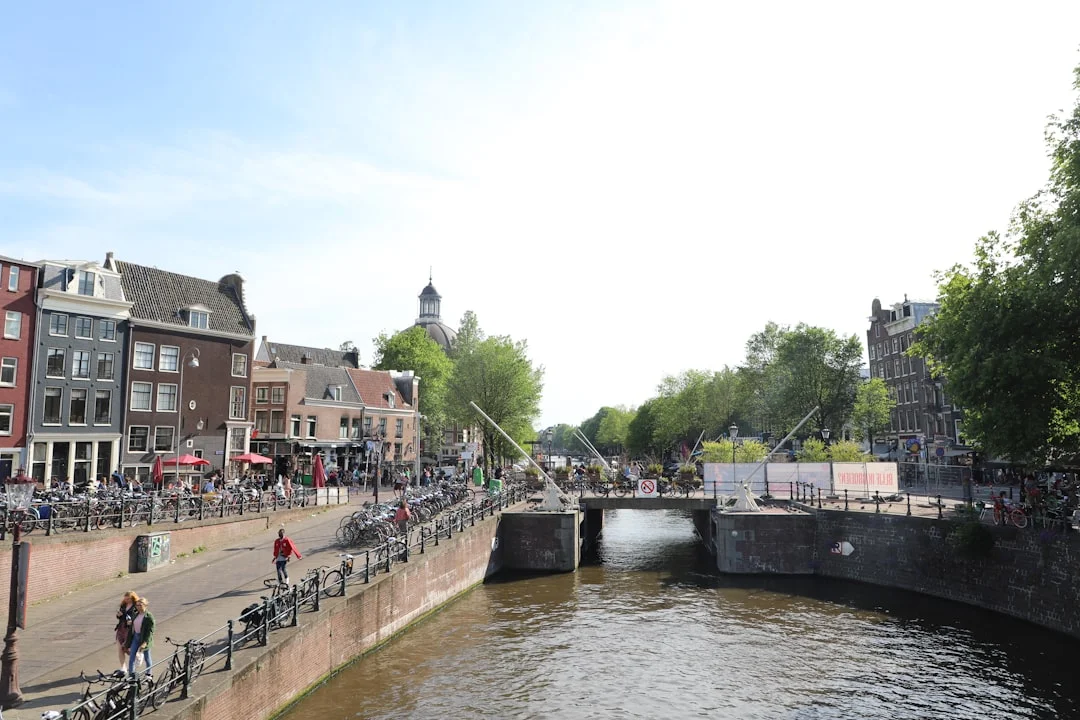
Amsterdam's Italian restaurant scene has undergone a quiet transformation over the past five years, driven by a generation of chefs trained in Italy's regional cuisines rather than generic Continental cooking. Unlike the homogenized Italian-American fare that still dominates many European capitals, Amsterdam's best Italian restaurants now distinguish themselves through regional specificity—Sicilian seafood preparations, Piedmont pasta techniques, Tuscan wine pairings—rather than broad "Italian" identity. The shift reflects both European fine-dining trends and Amsterdam's growing food tourism economy, which saw restaurant revenue increase 12% between 2022 and 2024 according to the Amsterdam Chamber of Commerce. What separates the strongest establishments from mediocre operations is not novelty but rigor: precise execution of regional Italian cooking traditions, sourced ingredients that honor authentic preparations, and wine programs that treat Italian regional varieties as serious beverages rather than afterthoughts. This analysis examines how Amsterdam's best Italian restaurants have achieved authenticity in a market historically skeptical of Italian cuisine beyond pizza and generic pasta.
How to Get There
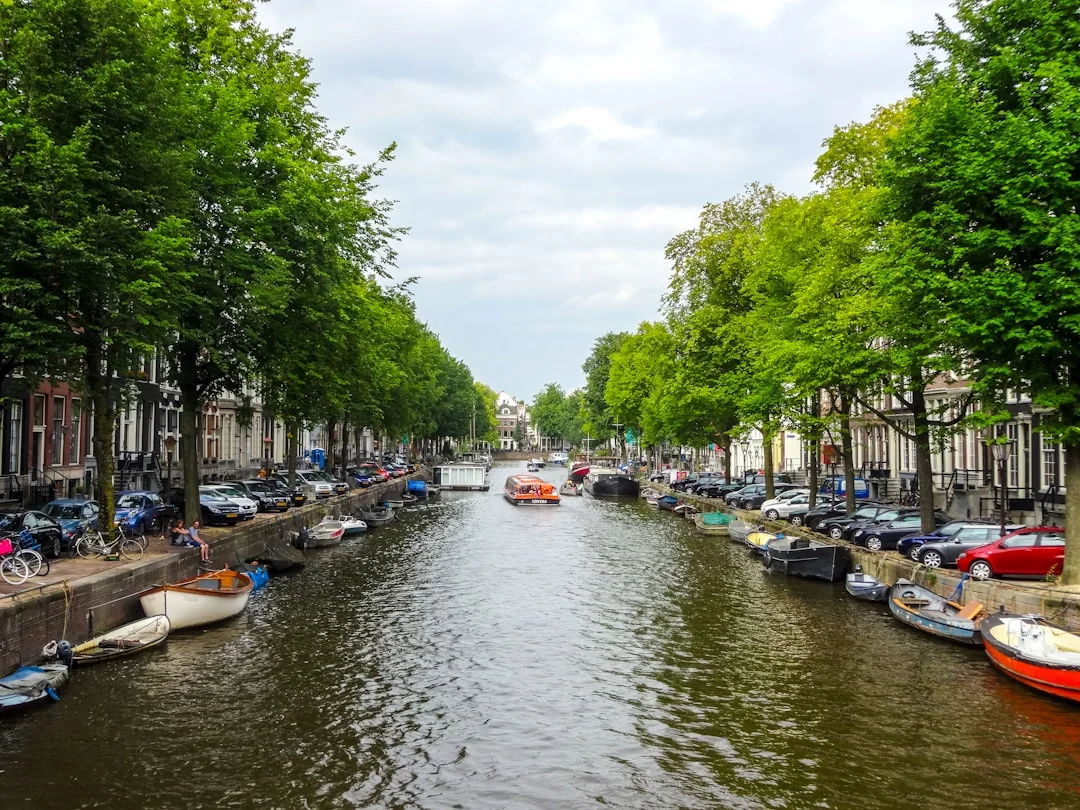
Metro Access: Amsterdam's metro system reaches most Italian restaurants efficiently. From Amsterdam Central Station, take Metro Line 52 or 53 toward De Pijp area restaurants (approximately 8 minutes, €2.70 single ticket). Tram Service: Trams cover more ground than metro and offer scenic routes. Tram 2 or Tram 5 travels through Canal Belt where multiple authentic Italian restaurants cluster (€2.70 single ticket). Rides typically take 10-15 minutes depending on restaurant location. Purchase day passes (€8.00) if visiting multiple restaurants across neighborhoods. Taxi Options: Uber, Bolt, and local taxi apps charge €8-€15 from Amsterdam Central Station to most restaurant locations. Standard metered taxis available at designated stands charge slightly more but provide similar pricing. Expect €12-€18 for cross-city trips. Negotiating fixed prices before boarding with street taxis often results in 10-15% premiums over metered rates. Car Rental: Not recommended due to notoriously difficult parking and congestion pricing (€5.50-€10.00 per day). Canal-side and city-center restaurants feature minimal parking availability. Bicycles: Amsterdam's extensive cycling infrastructure provides cheapest transportation (free bike rentals approximately €10 per day). Restaurants in De Pijp and Nieuwendijk neighborhoods sit within 10-20 minute bike rides from Central Station. Walking: Most central Italian restaurants cluster within neighborhoods accessible by 15-25 minute walks from Central Station through scenic canals and streets.
Frequently Asked Questions
Frequently Asked Questions
- How do Amsterdam's Italian restaurants source authentic regional ingredients?
- Serious establishments develop direct relationships with European importers and occasionally import directly from Italian producers, bypassing standard distributor channels. Brio focuses heavily on seasonal items available at Amsterdam's Albert Cuyp Market supplemented by imported specialty products, where morning visits yield conversations with vendors about ingredient origins and quality. Pianeta Terra and Giò Cucina maintain ongoing relationships with importers specializing in specific Italian regions—Sicily, Piedmont, Veneto—ensuring access to items that define regional authenticity. You'll notice the difference immediately: San Marzano tomatoes that sing with acidity, buffalo mozzarella with delicate creaminess, Parmigiano-Reggiano aged properly rather than pre-grated. This sourcing model requires flexibility in menu design and higher ingredient costs than casual competitors accept, often running 40-50% higher per unit than industrial suppliers.
- What distinguishes Piedmont-style preparations from other Italian regional cooking?
- Piedmont cuisine emphasizes butter, cream, truffles, and slow-cooked preparations—particularly for meats and filled pastas like ravioli and agnolotti. Giò Cucina's Piedmont-style ravioli stuffed with beef and cheese reflects this richness, contrasting sharply with lighter preparations from southern regions that emphasize olive oil, fresh vegetables, and seafood. Taste the difference: Piedmont preparations coat your palate with luxurious richness, the butter emulsifying with pasta in ways that feel almost decadent. Southern Italian seafood dishes instead sing with brightness—the acidity of tomatoes and lemons cutting through olive oil, seafood flavors remaining crisp rather than softened. Regional specificity matters because diners familiar with Italian traditions recognize and reward authentic execution versus generic "Italian" cooking. The sensory experience differs dramatically; you're not eating "Italian food," you're experiencing Piedmont's Alpine climate and agricultural traditions through carefully prepared ingredients.
- Why do fine-dining Italian restaurants in Amsterdam maintain lower food cost percentages than casual competitors?
- Fine-dining establishments achieve 28-32% food costs versus 32-38% at casual operations through higher check averages and dramatically lower waste. Rotating seasonal menus reduce inventory obsolescence, while premium pricing supports ingredient specificity. Direct importer relationships sometimes lower actual ingredient costs for rare items despite premium final pricing. Fewer but more refined menu items also enable kitchen efficiency that casual high-volume operations can't match. The economics require discipline: restaurants must accept lower table turns but higher per-plate profitability. This model works only when diners value quality over convenience.
- How does wine selection communicate restaurant quality and authenticity?
- Serious Italian restaurants curate exclusively Italian programs rather than offering familiar international selections. Serving an unfiltered Catarratto from Sicily with seafood pasta demonstrates regional knowledge—pairing wine to complement specific dishes rather than maximizing margin. These selections signal respect for Italian wine traditions and diner intelligence rather than treating wine as commodity inventory. The first sip reveals the difference: these wines taste vibrant and distinctive rather than polished and familiar. Staff discussions about wine regions and producers replace transactional recommendations, often revealing personal connections to Italian regions or family traditions influencing selections. You'll discover unfamiliar producers that challenge expectations about Italian wine quality.
- What economic factors explain the concentration of authentic Italian restaurants in specific Amsterdam neighborhoods?
- De Pijp's 35% household income increase between 2010-2024 created demographics supporting fine-dining concepts, while lower real estate costs in locations like Nieuwendijk allow restaurants to maintain lower price points despite quality commitments. Canal Belt premium positioning supports higher check averages offsetting real estate costs. Neighborhood economics don't determine success—execution does—but demographics influence which neighborhoods can sustain multiple serious Italian restaurants simultaneously. Neighborhoods with younger, international populations near universities show less support for regional Italian concepts, while affluent, established areas demonstrate higher tolerance for price premiums and ingredient-focused menus.
- How do menu constraints at accomplished Italian restaurants actually benefit diners?
- Fewer menu options allow deeper focus on ingredient sourcing, proper preparation technique, and kitchen execution consistency. When Pianeta Terra offers primarily chef's menus rather than unlimited à la carte options, the constraint signals confidence in capabilities and ingredient sourcing. Limited options also reduce kitchen complexity, enabling staff to execute each dish at the highest standard rather than managing dozens of preparations simultaneously. The result benefits diners through superior quality despite reduced choice. You'll notice the difference in every element: sauces that taste balanced rather than hastily constructed, pasta cooked to precise doneness rather than variable consistency, proteins that reflect careful sourcing rather than commodity purchases. The constraint forces focus, and focus delivers superior dining experiences.