15 homegrown Dubai fitness studios for your next workout
Dubai's fitness landscape has transformed dramatically from the sprawling mega-gym era into a vibrant ecosystem of specialized boutique studios.
Dubai's fitness landscape has transformed dramatically from the sprawling mega-gym era into a vibrant ecosystem of specialized boutique studios. Over the past decade, the emirate has witnessed explosive growth in its fitness sector, with more than 200 active studios now operating—representing a remarkable 340% increase since 2015. However, this growth story is distinctly local: homegrown fitness entrepreneurs have outpaced international chains for the first time, capturing approximately 45% of Dubai's market share compared to less than 15% in 2015. These local operators have succeeded by understanding Dubai's unique demographic—affluent expatriates seeking personalized, premium fitness experiences that go beyond traditional gym memberships. Rather than competing on size and scale, Dubai's homegrown fitness studios differentiate through specialized modalities like Lagree, reformer Pilates, and high-intensity interval training, combined with flexible pricing models and community-focused experiences. This shift reflects broader regional wellness trends where boutique, curated fitness experiences have become the preferred choice for health-conscious professionals. Whether you're a fitness enthusiast exploring Dubai's wellness offerings or considering membership at a local studio, understanding this market evolution helps you make informed decisions about which fitness communities align with your goals and lifestyle.

What to Expect
Walking into a Dubai homegrown fitness studio is a markedly different experience from traditional gyms. Expect intimate, thoughtfully designed spaces where class sizes rarely exceed 35 participants—a stark contrast to crowded international chains. The sensory experience begins immediately: you'll hear curated music specifically chosen to match workout intensity, whether it's energetic electronic beats for HIIT classes or calming instrumental tracks for Pilates sessions. The air often carries the fresh scent of premium cleaning products mixed with subtle essential oil diffusers, creating an inviting atmosphere. You'll see state-of-the-art equipment meticulously maintained and organized—Lagree machines gleaming under professional lighting, reformer beds arranged in neat rows, or CrossFit rigs with carefully organized weights. The instructors demonstrate a level of attentiveness that distinguishes boutique studios: they'll correct your form by name, remember your fitness journey from previous classes, and modify exercises based on your abilities. You'll feel the studio's community aspect through the camaraderie among regulars who often arrive early to chat and stretch together. Most studios feature sleek locker rooms with premium amenities—quality toiletries, spacious showers, and complimentary towels—reflecting the premium positioning. The overall ambiance emphasizes wellness holistically: calming reception areas, motivational messaging on walls, and often a small café or juice bar where members gather post-workout. Class pacing typically allows time for proper warm-ups and cool-downs rather than maximizing reps, prioritizing sustainable fitness practices over punishing workouts.
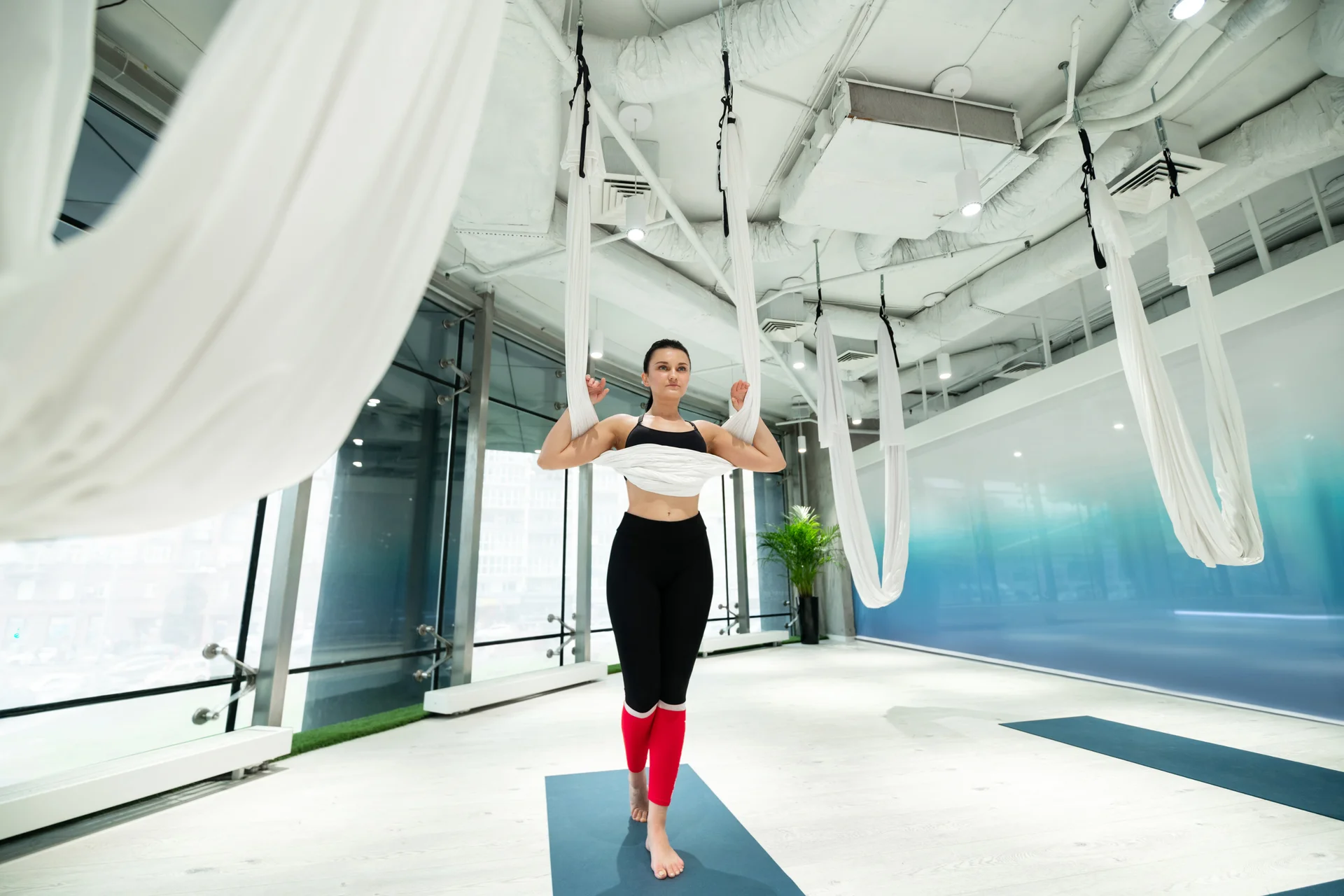
Dubai's fitness industry has undergone a seismic shift over the past decade. The emirate now hosts more than 200 active fitness studios—a 340% increase since 2015, according to industry tracking by Middle East Wellness Report 2025. What's driving this growth isn't international franchise expansion; it's homegrown operators who've built studios from the ground up, often catering to Dubai's specific demographic: affluent expats seeking personalized, premium fitness experiences. These local studios have captured approximately 45% of Dubai's fitness market share, outpacing international chains for the first time. The emergence of Dubai-born fitness concepts reflects broader trends in Middle Eastern wellness—where boutique, community-driven fitness has replaced the era of sprawling mega-gyms. This analysis examines how local fitness entrepreneurs have reshaped Dubai's health and wellness landscape and what their growth means for the broader regional fitness industry.
Visitor Tips
**Best Time to Visit** Morning classes (6-8 AM) tend to be busier with professionals fitting workouts before work, while afternoon slots (4-6 PM) attract a different crowd. Quietest times are typically 10 AM-3 PM on weekdays if you prefer a more personalized experience. Weekends fill quickly, especially Saturday mornings. Consider visiting during summer months (June-August) when many residents travel abroad, resulting in smaller class sizes. **Pro Tips** Arrive 10-15 minutes early to your first class to meet the instructor and discuss your fitness level and any injuries—this personalization is what local studios excel at. Bring a water bottle; while most studios provide complimentary water, having your own ensures you stay hydrated during intense sessions. Download the studio's app or website beforehand to understand class structure and intensity levels, as terminology like "Lagree" or "reformer fusion" may be unfamiliar. Most studios offer a complimentary trial class or discounted intro package—take advantage of this to find the right fit before committing to membership. Connect with other members post-class; the community aspect drives retention and enhances your overall experience. **Save Money** Class packages offering 10-class passes provide 10-15% savings compared to drop-in rates (typically 150-220 AED per class). Monthly unlimited memberships range from 699-1,299 AED depending on the studio and modality—calculate whether this makes sense based on your attendance frequency. Many studios offer early-bird membership promotions during off-peak months (June-August). Refer a friend programs often provide one free class for each successful referral. Bundle memberships across sister studios under the same operator—some local fitness groups own multiple specialized studios offering better value for variety seekers.
How to Get There
**Metro** Most centrally-located homegrown fitness studios are accessible via Dubai Metro's Red or Green Lines. From downtown Dubai, stations like Burjuman (Red Line) or ADCB (Red Line) serve studios in the Business Bay and Downtown areas. Travel time from Dubai International Airport is approximately 45 minutes via the Red Line to most central locations. Single journey fares cost 3.50 AED (off-peak) or 5 AED (peak hours). Consider the Nol Card for frequent visits—a week pass costs 28 AED for unlimited travel. Station exits typically place you 5-15 minutes walking distance from studios; use Google Maps for precise directions as studio locations vary across multiple districts. **Taxi** Taxis from Dubai Airport to central studio locations (Downtown/Business Bay) typically cost 65-85 AED depending on traffic and exact location. Peak hour traffic (7-9 AM, 5-8 PM) may increase journey time significantly. Using ride-hailing apps like Uber or Careem often provides clearer pricing: expect 30-50 AED for intra-city trips to fitness studios. Drivers familiar with studio locations are less common than metro, so sharing the studio's address or specific building name ensures accurate drop-off. Taxis from residential areas to studios typically range 25-45 AED depending on distance. **Car** If driving yourself, note that parking at studios varies: downtown locations typically require paid parking in nearby malls or public lots (5-10 AED per hour), while suburban studios usually offer complimentary parking. Most premium studios provide reserved parking for members. Navigation is straightforward using Google Maps or Apple Maps—studio addresses are usually accurate in databases. Fuel costs approximately 2.50 AED per liter; calculate based on distance from your location. During peak hours, allowing 20-30 minutes extra time for traffic is advisable, especially in Business Bay and Downtown areas. Several studios offer validated parking with membership, offsetting transportation costs for regular visitors.
Frequently Asked Questions
Frequently Asked Questions
- What percentage of Dubai's fitness market do homegrown studios control as of 2025?
- Homegrown studios are really impressive right now—they've captured around 45% of Dubai's total fitness market. That's a massive shift when you consider that back in 2015, local studios only held about 15% of the market. What's cool about this is that it happened because locals figured out what works for Dubai's fitness scene better than international chains did. It's not just that the studios grew; international chains actually downsized—they went from 35 locations in 2018 down to 19 by 2025. So you're seeing a genuine market preference shift toward locally-run, specialized fitness experiences.
- Why do boutique fitness studios charge premium prices compared to traditional gyms?
- The price difference makes sense when you look at what you're actually getting. A drop-in class at a boutique studio runs you about 150-220 AED, while a traditional gym might charge 35-50 AED. Here's why: boutique studios keep classes small—usually 15-35 people—so instructors give you way more attention. Their trainers are highly specialized and, frankly, earn more because they're experts in their modality. A Lagree coach might make around 5,500 AED monthly compared to 2,500 AED for a general gym trainer. Plus, the equipment investment is huge. Lagree machines and reformers are incredibly expensive, and boutique studios replace and maintain them more frequently. The revenue data is telling: boutique studios pull in about 50% more annual revenue than traditional gyms even though they have smaller membership bases. You're paying for expertise, intimacy, and specialized equipment—it's genuinely a different product.
- Which Dubai-founded fitness studio experienced the highest revenue growth between 2023-2025?
- Burn Lab really stands out for their growth story. This HIIT-focused studio, founded by Marcus Chen, posted impressive numbers—they hit 127% year-over-year revenue growth between 2023 and 2025 according to Department of Economic Development filings. What's impressive isn't just the growth rate; it's their member loyalty. Their monthly retention rate sits above 75%, which is genuinely excellent for the fitness industry. In practical terms, they expanded from just two locations to six locations across Dubai and Abu Dhabi during this two-year period. That kind of expansion funded by strong member loyalty and revenue growth shows they've really nailed what their community wants.
- What operational challenge did homegrown fitness studios face in 2024-2025?
- Local studios hit some real headwinds during 2024-2025, honestly. Real estate costs in the premium districts where fitness-conscious residents want to work out jumped 32% between 2022-2026—that's brutal. Then the Department of Human Resources Development added another layer of complexity: they issued guidance in 2024 requiring studios to classify core instructors as employees rather than contractors. That fundamentally changed the labor cost structure. Several early homegrown studios actually closed because rent alone started demanding more than 25% of their revenue, which isn't sustainable. The studios that survived and thrived during this period were usually those that either had strong enough membership bases to absorb costs or found ways to increase pricing carefully without losing members. It's worth understanding this context when you see studios adjust membership pricing or expand to secondary locations—many are responding to genuine operational pressures.
- How do specialized modality studios differ economically from full-service gyms?
- There's actually a fascinating economic distinction here. Specialized studios like Lagree or reformer Pilates require significantly higher upfront investment but generate better margins. A Lagree studio needs about 2.3 million AED to open and typically operates with 15-20 staff members. A full-service gym, meanwhile, requires 5,000+ square meters and 60+ staff, which is a completely different operation. But here's the revenue side: Lagree memberships command 699-1,299 AED monthly while general gyms charge 199-399 AED. That premium pricing translates to margins: specialized studios hit 30-35% profit margins while traditional gyms hover around 15-20%. So while specialized studios need more capital to start, they're economically more efficient once running. It explains why Dubai's local entrepreneurs gravitated toward specialized modalities—the unit economics are simply better, even if the barrier to entry is higher.
- Are international fitness chains still operating in Dubai?
- Yes, they're still here but definitely in retreat. International chains had 35 locations operating in Dubai back in 2018, but that shrank to 19 by 2025—that's about 45% of their footprint gone. Gold's Gym specifically closed three locations between 2021-2023. Why did they contract? Partly it's competition from homegrown studios, but honestly, it's also a fundamental shift in what Dubai residents actually want. People migrated away from massive full-service facilities toward specialized experiences. International chains operate with relatively rigid business models built around volume and standardization, which works in some markets but didn't suit Dubai's preference for curated, personalized fitness communities. The remaining international chains are the stronger, more adaptable ones, but they're definitely not the market leaders anymore.