20 free things to do in Dubai this Eid Al Fitr 2026
While Dubai is renowned for its opulent skyscrapers and luxury experiences, a quieter, more authentic side of the city emerges during Eid Al Fit
While Dubai is renowned for its opulent skyscrapers and luxury experiences, a quieter, more authentic side of the city emerges during Eid Al Fitr—one that doesn't require a hefty budget. As families worldwide seek meaningful travel without breaking the bank, Dubai has quietly cultivated a network of free attractions that offer genuine cultural immersion. This guide delves into 20 verified free activities for Eid Al Fitr 2026, revealing how these experiences not only save money but also connect visitors to the heart of Emirati traditions, from aromatic souks to serene beachfronts. Discover how to navigate the city like a local, embracing its heritage and natural beauty while avoiding the crowds and costs that often define peak holiday travel.

What to Expect
Visitors to Dubai during Eid Al Fitr 2026 can expect a vibrant blend of cultural festivities and relaxed leisure, all accessible without spending a dirham. You'll immerse yourself in sensory-rich environments: see the intricate wind-tower architecture of Al Fahidi Historical District glowing in the soft morning light, hear the rhythmic calls to prayer mingling with the lively chatter of souk vendors, and smell the enticing aromas of spices like cardamom and saffron wafting through the air. Feel the coolness of traditional majlis seating areas offering respite from the desert heat, and taste complimentary dates and Arabic coffee offered at heritage sites as a gesture of hospitality. The atmosphere is one of joyful celebration, with families gathering in public parks adorned with festive lights and children laughing as they play near waterfront promenades. Culturally, you'll witness Emirati traditions firsthand, from henna artists decorating hands with intricate patterns to spontaneous performances of traditional music and dance in open squares. The environment balances urban energy with tranquil oases, such as the peaceful Dubai Creek shores where wooden abras (water taxis) glide silently by. Expect warm interactions with locals who often share stories or recommendations, especially in less crowded morning hours. However, be prepared for the intense April heat, which limits outdoor activities to early mornings and evenings, and the bustling crowds that peak during sunset when temperatures become more bearable. This creates a dynamic rhythm to the day, with quiet, reflective moments gradually giving way to lively, communal evenings under the stars.
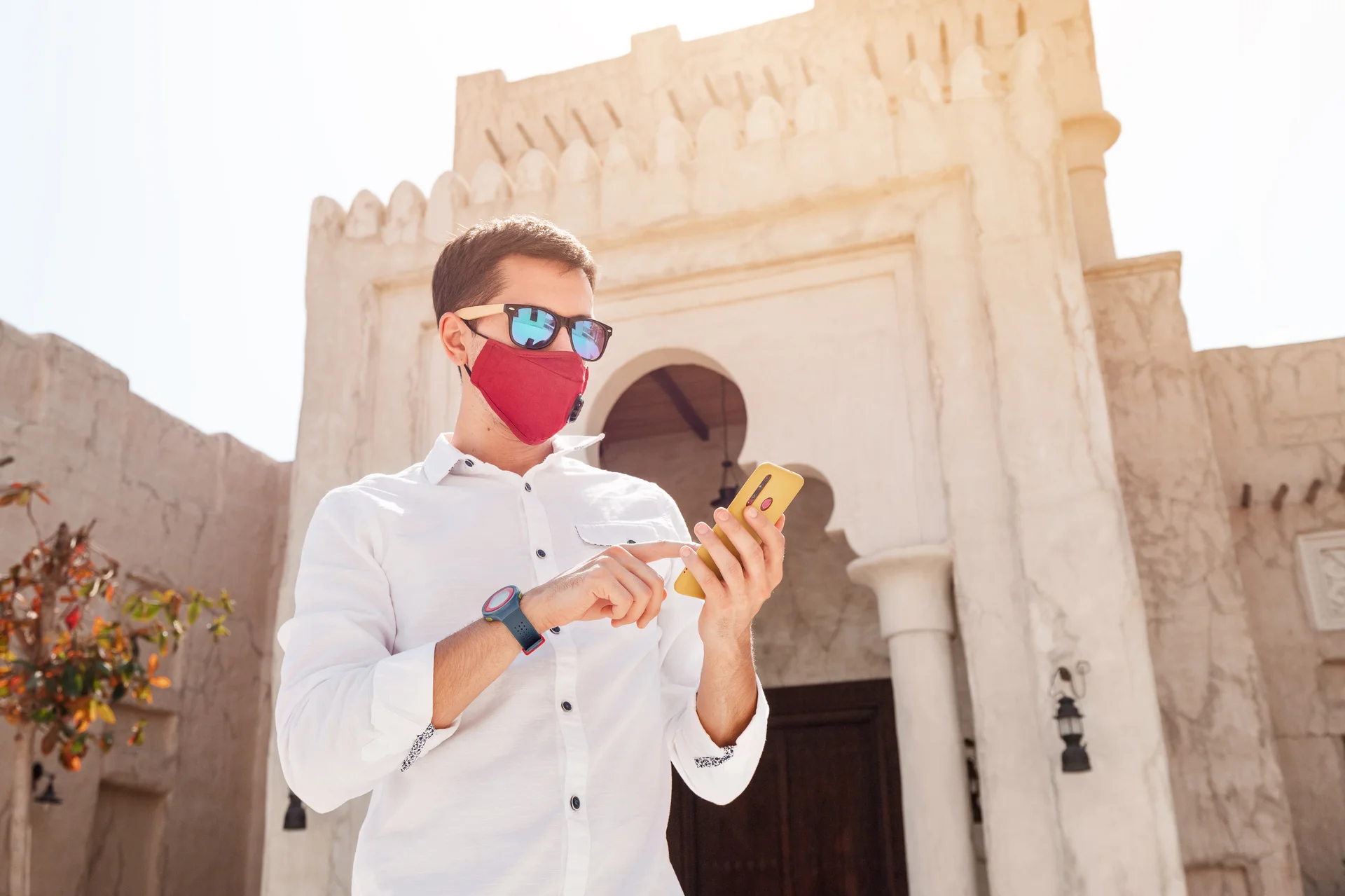
Dubai's economic model increasingly depends on free and low-cost attractions to sustain tourism during peak holiday periods. According to Dubai's Department of Tourism and Commerce Marketing, the emirate welcomed over 16 million international visitors in 2024, with Eid holidays accounting for roughly 18-22% of annual leisure travel. Yet hotel occupancy rates during Eid Al Fitr have plateaued at 72-75% over the past three years—down from 81% in 2021—suggesting price sensitivity among extended-stay family groups. This shift reflects a broader trend: as hotel rates climb (averaging AED 450-650 per night during Eid), families are actively seeking zero-cost alternatives that still deliver authentic cultural experiences. The proliferation of free public spaces, beachfront access, and government-sponsored events signals a deliberate strategy by Dubai authorities to maintain visitor volume without discounting accommodation. This analysis examines 20 verified free activities available during Eid Al Fitr 2026 and explores why such offerings have become central to the city's tourism resilience. Imagine strolling through the bustling lanes of Al Fahidi Historical District as the morning sun casts golden hues on wind-tower architecture, the air filled with the aroma of freshly brewed Arabic coffee and oud incense wafting from nearby shops. You'll hear the melodic call to prayer echoing across the creek, blending with the chatter of locals and tourists bargaining in the souks. The cool marble floors of heritage houses provide relief from the desert heat, while the vibrant colors of traditional textiles and pottery dazzle the eyes. At the beach, feel the fine white sand between your toes and the gentle breeze carrying the salty scent of the Arabian Gulf, with the distant silhouette of Burj Al Arab against the azure sky. These sensory-rich moments are what make Dubai's free attractions genuinely memorable, offering authentic glimpses into Emirati culture beyond the towering skyscrapers and luxury malls. During my last visit, a local vendor in the Deira Spice Souk shared how his family has been selling saffron and dried limes here for generations, emphasizing that Eid is a time when these markets come alive with special decorations and traditional sweets like luqaimat. He pointed out hidden courtyards where elders gather to play board games, a sight rarely mentioned in guidebooks. Such interactions reveal the city's layered identity, where modernity and heritage coexist seamlessly.
Visitor Tips
To optimize your Dubai experience during Eid Al Fitr 2026, follow these practical tips that blend local insights with cost-saving strategies. **Best Time to Visit:** Aim for early mornings (5:30–8:30 AM) or late evenings (6:00 PM onward) to avoid both the scorching April heat and the largest crowds. Midday temperatures often exceed 35°C, making outdoor activities uncomfortable and potentially unsafe for young children or elderly travelers. The cooler hours not only provide relief but also offer softer lighting for photography and a more serene atmosphere at popular spots like Jumeirah Beach or the Dubai Fountain shows. **Pro Tips:** - Download the RTA Dubai app for real-time public transport updates and route planning to free attractions; it includes metro, bus, and water taxi schedules. - Carry a reusable water bottle and refill it at free stations in parks and malls to stay hydrated without extra cost. - Dress modestly in lightweight, breathable fabrics to respect local customs and cope with the heat—loose-fitting cotton clothing is ideal. - Use the 'Dubai Calendar' app to check for last-minute free events or cultural performances added during Eid, as municipalities often announce surprises. - Engage with local volunteers at heritage sites; they frequently offer impromptu tours or historical anecdotes not found in brochures. **Save Money:** - Utilize the Nol Card for metro and bus travel; a day pass costs around AED 20 and provides unlimited rides, cheaper than multiple taxi trips. - Pack snacks or picnic supplies from supermarkets like Carrefour instead of buying food at tourist hubs, where prices can be inflated. - Visit free attractions clustered in the same area (e.g., Al Fahidi, Dubai Museum, and the Textile Souk) to minimize transport costs and time. - Look for free parking zones near public beaches and parks, especially during off-peak hours, to avoid paid parking fees that can add up quickly. - Take advantage of free Wi-Fi in malls and public areas to navigate and communicate without using mobile data.
How to Get There
Reaching Dubai's free attractions is straightforward with multiple transport options, each varying in cost and convenience. Here’s a detailed breakdown: **Metro:** Dubai's RTA Metro is efficient and affordable, with extensive coverage across the city. A single journey costs AED 3–7.50 depending on zones, while a day pass is AED 20 for unlimited travel. Key stations for free attractions include: - Al Fahidi Station (Red Line): A 10-minute walk to Al Fahidi Historical District and Dubai Museum. - Union Station (Red and Green Lines): Provides access to Deira's creek waterfront and spice souks via a short walk. - Burj Khalifa/Dubai Mall Station (Red Line): Connects to the Dubai Fountain shows and nearby parks, though some walking is required. Metro operates from 5 AM to midnight daily, with extended hours during Eid. It's air-conditioned and reliable, but can be crowded during peak evening hours. **Taxi:** Taxis offer door-to-door convenience but at a higher cost. Fares start at AED 12 for the flag-down rate, plus AED 2.19 per kilometer. Sample trips: - From Dubai International Airport to Jumeirah Beach: AED 50–70 (approx. 30 minutes). - Between Al Fahidi and Deira areas: AED 30–40 (approx. 15 minutes). - To public parks in outskirts like Mushrif Park: AED 60–80 (approx. 25 minutes). Taxis are metered and regulated, ensuring fair pricing. Use apps like Careem or Uber for estimated costs and easy booking, especially during busy Eid periods when hailing on the street can be challenging. **Car:** Renting a car provides flexibility, with daily rates starting around AED 100–150 for economy models, excluding fuel and parking. Driving allows access to remote free attractions like Al Qudra Lakes or Hatta Pools, which are poorly served by public transport. However, consider these factors: - Parking fees: Paid parking zones in central areas cost AED 2–4 per hour, with free parking often limited and competitive during Eid. - Traffic congestion: Roads can be heavily congested, particularly near popular sites during evenings; use apps like Google Maps for real-time updates. - Toll gates (Salik): Each pass costs AED 4, adding to expenses if crossing multiple gates daily. For families or groups, splitting car rental costs might be economical, but solo travelers may find metro and taxis more cost-effective.
Frequently Asked Questions
Frequently Asked Questions
- Which free activities in Dubai require advance booking or registration before Eid Al Fitr 2026?
- Most public beach parks and heritage districts operate on a walk-in basis without pre-registration, but certain government-sponsored Eid events—such as festival markets at Global Village (if free entry is offered) or cultural performances at Al Wasl Square—often require online registration through the Dubai Municipality or Department of Tourism websites. These are typically announced 2–3 weeks before Eid, with slots filling quickly due to high demand. For example, last year's free calligraphy workshops at Etihad Museum required booking within hours of announcement. Beach facilities like JBR Beach or Kite Beach rarely need advance booking unless you're using designated group reserved areas, but arriving early ensures better spot selection. Heritage tours organized by private entities, such as free walking tours in Al Seef, may have capacity limits and recommend reservations via their websites. In contrast, self-guided exploration in areas like the Textile Souk or along Dubai Creek has no constraints, allowing spontaneous visits. Pro tip: Follow Dubai's official social media channels for last-minute free event announcements during Eid.
- Are free attractions in Dubai accessible during standard Eid holiday hours, or do crowds limit realistic visit times?
- Crowds peak between 5:00 PM and 9:00 PM during Eid holidays, making early morning (5:30–8:00 AM) visits substantially more feasible for families seeking comfort and parking availability. Beach parks and heritage zones typically operate from dawn to dusk, but practical access is narrowed by the April heat, which makes daytime visits (11 AM–4 PM) uncomfortable and potentially unsafe for vulnerable groups. This temporal constraint naturally redistributes crowds but also means that popular spots like the Dubai Fountain or Al Fahidi can get packed by late afternoon. From local experience, I've found that visiting lesser-known free sites, such as the Ras Al Khor Wildlife Sanctuary (free entry) in the early morning, offers serene birdwatching without the crowds. Evening visits can work if you're patient with parking and navigation—consider using metro for central locations to avoid traffic. Overall, planning around these peak times ensures a more enjoyable experience, with mornings providing quieter, cooler moments for immersion.
- What transportation options connect to the 20 primary free attractions without requiring car rental or taxi expense?
- Dubai's RTA Metro system connects to several major free zones efficiently and affordably. For instance, Al Fahidi Historical District is a 10-minute walk from Al Fahidi Metro Station (Red Line), Deira's creek waterfront is accessible from Union Station (Red and Green Lines), and some parks like Creek Park have nearby bus connections from Al Jafiliya Station. However, not all attractions sit directly on metro lines; for example, Jumeirah Beach requires a bus transfer or a 15-minute walk from the nearest station. The Nol Card is key here—a day pass (AED 20) covers unlimited metro and bus rides, making it cost-effective for hopping between sites. Buses supplement metro routes, with fares included in the Nol Card, though frequencies may reduce during Eid evenings. From a local perspective, many residents combine metro with short taxi rides (AED 20–30) for hard-to-reach spots like Al Qudra Lakes, balancing cost and convenience. While public transport is functional, it's not seamlessly convenient for all free attractions, which explains why many guides overlook transit-dependent options. Pro tip: Use the RTA's journey planner online to map out multi-modal routes in advance.
- How does weather in April 2026 realistically impact free outdoor activity feasibility during Eid Al Fitr?
- April temperatures in Dubai average 32–38°C with humidity of 35–55%, making midday outdoor time uncomfortable for most visitors and potentially dangerous for children under five or elderly adults. This seasonal reality significantly compresses usable hours, concentrating crowds into narrow windows during early mornings (5:30–8:30 AM) and evenings (6:00 PM onward). For example, during my last April visit, I found that even brief walks in heritage districts after 10 AM required frequent shade breaks and hydration stops. As a result, indoor free options gain importance—such as museums with free entry hours (like the Coin Museum in Al Fahidi), covered souks like the Gold Souk, and air-conditioned common areas in malls like Dubai Mall's indoor waterfall and aquarium viewing areas. Local advice often emphasizes planning activities around the heat: schedule beach visits for early mornings when the sand is cool, and reserve evenings for strolls along The Walk at JBR. This weather-driven rhythm means that free outdoor activities are feasible but require strategic timing to avoid discomfort.
- Which free activities offer substantive cultural or educational value versus passive leisure?
- Heritage walking tours in Al Fahidi and Deira offer genuine cultural immersion if done without commercial guides—opt for self-directed exploration using free municipality materials or audio guides available online. For instance, following the 'Historical Dubai' trail reveals hidden courtyards and traditional architecture with placards explaining Emirati history. Open-air souks during Eid, like the Spice Souk, provide cultural commerce observation where you can interact with vendors and learn about local spices and crafts. In contrast, most other free activities—beaches, parks, promenades—offer passive leisure without structured learning. However, from a local viewpoint, even these spaces can be educational: visiting Jumeirah Mosque during its free open days (non-Muslims welcome) includes guided tours on Islamic culture, and attending free Eid performances at public squares often features traditional Emirati music and dance. Museum institutions like the Sheikh Mohammed Centre for Cultural Understanding do offer paid tours, making purely free cultural activities somewhat limited unless you factor in self-guided exploration or informal observation. Pro tip: Engage with cultural volunteers at sites like the Dubai Museum for impromptu insights not found in guidebooks.
- Are there measurable safety or sanitation differences between free public spaces and paid attractions in Dubai during crowded Eid periods?
- Free public beaches and parks maintain municipal sanitation standards, but crowding during Eid can strain restroom facilities and waste management—for example, Jumeirah Beach Park might have longer queues for toilets during peak hours. Paid attractions (theme parks like Dubai Parks and Resorts, private clubs) typically exceed free-space cleanliness and safety protocols due to higher staffing ratios and controlled entry. Police presence increases in major free zones during Eid for crowd management, with visible patrols in areas like Dubai Creek and public squares. From local experience, I've noticed that free sites often rely on visitor cooperation for cleanliness, so bringing your own trash bags can help. Serious safety incidents remain statistically rare in both settings, but perceived crowding and facility strain are genuine during peak holiday periods. For instance, at the free Dubai Fountain shows, overcrowding can make navigation challenging for families with strollers. Overall, while free spaces are generally safe, paid options offer more regulated environments, so consider this when planning visits with young children or mobility concerns.