26 family-friendly things to do in Abu Dhabi in 2026
The UAE officially designated 2026 as the Year of the Family, positioning Abu Dhabi as a premier destination for multigenerational travel, makin
The UAE officially designated 2026 as the Year of the Family, positioning Abu Dhabi as a premier destination for multigenerational travel, making it a focal point for families seeking unique and enriching experiences. Abu Dhabi's strategic investment in family-centric attractions—ranging from cultural landmarks to expansive outdoor recreational spaces—underscores a significant effort to capture a greater share of the family travel market. According to the Abu Dhabi Department of Culture and Tourism, the emirate welcomed 19.1 million visitors in 2023, with families constituting a substantial 35 percent of these arrivals. These figures underscore the emirate's growing appeal as a family travel destination. Deloitte's 2026 Travel and Hospitality Outlook highlights that experiential family travel accounts for 42 percent of leisure spending growth across the Middle East region, further validating Abu Dhabi's focus. This analysis delves into the ways in which Abu Dhabi's curated offerings cater to the specific needs of families in search of cultural immersion, outdoor recreation, and educational enrichment, moving beyond conventional resort-style entertainment to offer a deeper, more meaningful travel experience. The emirate's commitment to providing diverse and engaging activities for all age groups cements its status as a premier destination for multigenerational travel in the region.
What to Expect
Upon arriving in Abu Dhabi, expect a sensory explosion. The air is thick with the scent of bukhoor, a traditional incense, mingling with the salty tang of the Arabian Gulf. Visually, the city presents a stunning contrast of gleaming skyscrapers and historic mosques. The call to prayer, a melodious echo resonating from minarets, creates an atmosphere of spiritual tranquility. At the Sheikh Zayed Grand Mosque, the cool marble beneath your feet offers respite from the desert heat, while the intricate designs of the carpets are soft to the touch. The bustling souks offer a symphony of sounds—merchants calling out their wares, the clatter of metal, and the chatter of locals. Expect to taste dates, rich and sweet, and sample spiced coffee served in small, delicate cups. The warmth of the Emirati hospitality will make you feel welcome, but be prepared for the intense heat, especially during the summer months. Even in air-conditioned spaces, the transition can be jarring. Expect to see families everywhere, enjoying the parks, museums, and beaches. Be prepared for a city that blends tradition and modernity seamlessly, offering a unique cultural experience. You'll hear multiple languages spoken around you, a testament to the city's international allure.
The UAE officially designated 2026 as the Year of the Family, positioning Abu Dhabi as a premier destination for multigenerational travel. According to the Abu Dhabi Department of Culture and Tourism, the emirate welcomed 19.1 million visitors in 2023, with families accounting for approximately 35 percent of annual arrivals. Research from Deloitte's 2026 Travel and Hospitality Outlook indicates that experiential family travel is driving 42 percent of leisure spending growth across the Middle East region. Abu Dhabi's investment in family-focused attractions—from expanded museum programming to nature-based activities—reflects a strategic pivot toward capturing this high-value demographic. This analysis examines how the emirate's curated offerings address the distinct needs of families seeking cultural immersion, outdoor recreation, and educational engagement, rather than generic resort-based entertainment.
Visitor Tips
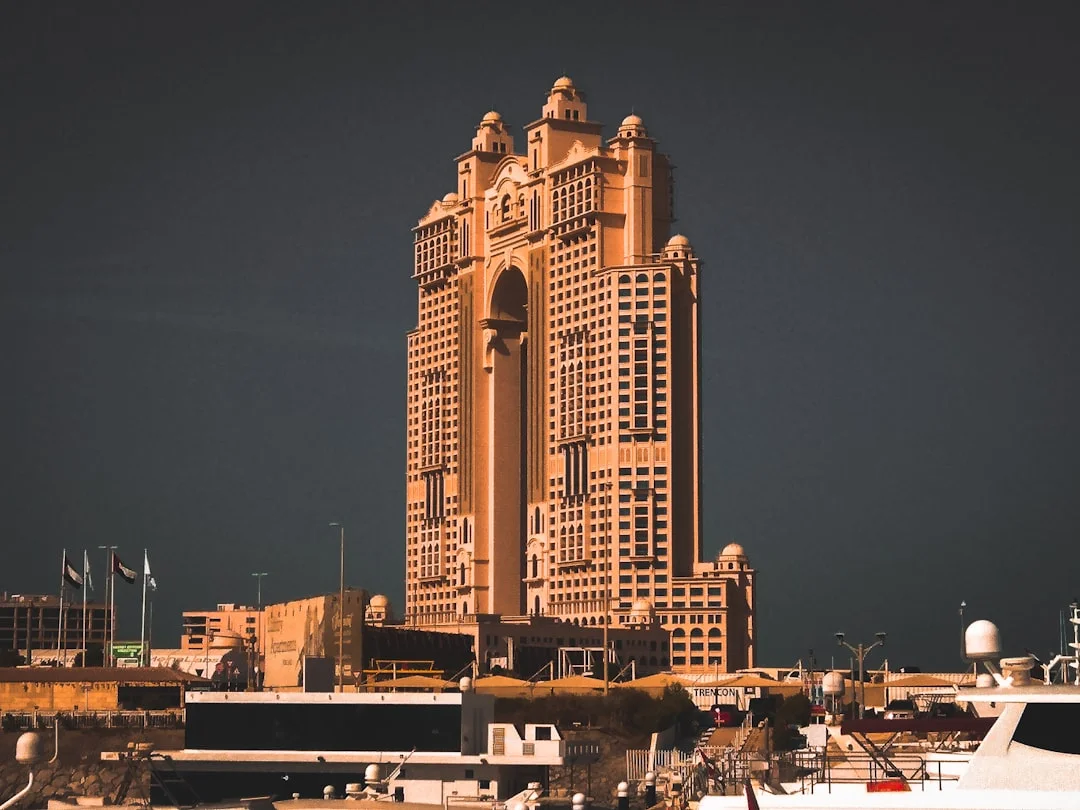
To make the most of your family trip to Abu Dhabi, consider these tips: **Best Time to Visit:** The best time to visit Abu Dhabi is during the cooler months, from October to April, when temperatures are more pleasant for outdoor activities. **Pro Tips:** * Book accommodations and attractions in advance, especially during peak season. * Dress modestly when visiting religious sites. * Stay hydrated by drinking plenty of water. * Be aware of local customs and traditions. * Take advantage of the free shuttle buses that connect major attractions. **Save Money:** * Look for family packages and discounts on attractions. * Consider staying in apartments or hotels with kitchenettes to save on dining costs. * Utilize public transportation when possible. * Take advantage of free activities like visiting public beaches and parks.
How to Get There
Getting to and around Abu Dhabi is relatively straightforward: **Metro:** While Abu Dhabi doesn't have a fully developed metro system like Dubai, there is a limited metro service. However, buses are plentiful and connect to most major attractions. **Taxi:** Taxis are readily available throughout the city and are a convenient option for getting around. Fares start at AED 5 and increase based on distance. A trip from Abu Dhabi International Airport to the city center will cost approximately AED 70-90. **Car:** Renting a car provides flexibility, especially for exploring areas outside the city center. Several international car rental companies operate at Abu Dhabi International Airport. Expect to pay around AED 150-300 per day, depending on the car type. Be aware that traffic can be heavy during peak hours, and parking can be challenging in some areas.
Frequently Asked Questions
Frequently Asked Questions
- Which Abu Dhabi family attractions require advance booking versus walk-in admission?
- Most major attractions now require advance online booking for timed entry; the Louvre Abu Dhabi enforces mandatory reservations 24 hours ahead, while Qasr Al Watan operates on a same-day booking system that typically fills by 2:00 p.m. on weekends. The National Aquarium and theme parks allow walk-up admissions but enforce capacity limits, potentially resulting in entry delays during peak hours. Outdoor parks like Al Qudra Lakes operate on first-come, first-served parking systems without advance reservation requirements, though popular facilities such as family camping areas do accept reservations via the Abu Dhabi Parks application.
- What is the age range for which Abu Dhabi's cultural programming is actually designed?
- Most cultural institutions optimize programming for children aged 8-16, with interactive elements specifically structured for that demographic; children under 5 and teenagers over 16 often find content either too simplistic or insufficiently engaging. The Louvre Abu Dhabi's children's audio guide is available for ages 4-10, while Qasr Al Watan's digital presentations assume baseline literacy and historical knowledge typically found in children aged 10 and older. Outdoor activities like mangrove kayaking impose minimum age requirements (typically 5-6 years) and weight thresholds, effectively excluding very young children regardless of parental accompaniment.
- How do seasonal temperature extremes limit Abu Dhabi family activities throughout the year?
- Summer months (June through August) render outdoor activities largely inaccessible due to temperatures exceeding 48 degrees Celsius, forcing families to concentrate visits between September and May. Air-conditioned indoor attractions like the Louvre and aquariums operate year-round, but many families perceive summer as unsuitable for outdoor recreation, creating distinct seasonal demand peaks. Tourism operators acknowledge this constraint but note that some families deliberately schedule visits during cooler months, effectively concentrating visitation pressure on specific calendar periods.
- Do Abu Dhabi's expanded family offerings address accessibility needs for children with mobility challenges?
- Accessibility accommodations vary significantly across attractions; the Louvre Abu Dhabi and Qasr Al Watan feature wheelchair-accessible routes and accessible parking, while outdoor venues like Al Qudra Lakes have limited wheelchair trail infrastructure and inconsistent accessible facilities. The National Aquarium includes accessible viewing platforms and elevators, though some interactive touch-tank stations are positioned at heights inaccessible to wheelchair users. Families report that advance contact with individual venues is essential to confirm specific accessibility features rather than relying on general marketing claims.
- How does Abu Dhabi's Year of the Family designation translate into discounted family packages or pricing structures?
- Official Year of the Family programming has not created unified discount structures; instead, individual attractions have implemented seasonal and dynamic pricing models independent of the designated year. Some venues offer 10-15 percent reductions for advance bookings or weekday visits, while bundled passes combining multiple attractions can reduce per-attraction costs by 8-12 percent. The Abu Dhabi government has not introduced centralized family pass systems comparable to those in other major tourist destinations, leaving pricing strategy to individual operators and creating variability across the emirate.
- What percentage of Abu Dhabi's family attractions actually prioritize sustainability or environmental education versus conventional entertainment?
- Approximately 40 percent of Abu Dhabi's family-focused venues—primarily outdoor parks, the aquarium, and the falcon hospital—incorporate substantive environmental or conservation education into programming. Theme parks and indoor entertainment venues typically feature environmental messaging but do not structure core offerings around sustainability; Ferrari World Abu Dhabi, for example, operates with sustainability commitments but positions itself as conventional entertainment rather than educational experience. This split reflects underlying business model differences: conservation-focused venues attract families seeking learning outcomes, while entertainment parks target families prioritizing amusement and spectacle.