35 new parks are coming to Dubai this year
Dubai, a city renowned for its towering skyscrapers and futuristic architecture, is embarking on a transformative journey to redefine its urban landscape. In 2026, the city will unveil 35 new parks as
Dubai, a city renowned for its towering skyscrapers and futuristic architecture, is embarking on a transformative journey to redefine its urban landscape. In 2026, the city will unveil 35 new parks as part of a AED 348 million initiative, a bold step toward sustainable living and enhanced community well-being. This ambitious project, aligned with the Dubai 2040 Urban Master Plan, aims to expand green spaces across the emirate, offering residents and visitors a breath of fresh air amidst the bustling city life. The parks are not just about greenery; they are designed to serve as vibrant hubs for social interaction, cultural events, and recreational activities. Whether you're a nature enthusiast, a family looking for a weekend escape, or a traveler seeking to experience Dubai’s commitment to sustainability, these parks promise something for everyone. In this guide, we’ll explore what to expect from these new green spaces, share insider tips for making the most of your visit, and provide practical information on how to get there. Let’s dive into the details of Dubai’s green revolution.

What to Expect
Stepping into one of Dubai’s new parks in 2026 will be like entering an oasis of tranquility amidst the city’s dynamic energy. Imagine the soft rustle of palm fronds swaying in the gentle desert breeze, mingling with the laughter of children playing on state-of-the-art playgrounds. The air is filled with the sweet fragrance of native flowers like desert hyacinths and the earthy scent of freshly watered grass, a welcome contrast to the usual urban aromas. Visually, the parks are a feast for the eyes, with meticulously landscaped gardens featuring vibrant bursts of color from bougainvillea, frangipani, and other drought-resistant plants. Water features, such as cascading fountains and reflective pools, add a soothing auditory backdrop, their gentle splashes creating a sense of calm. At dusk, the parks come alive with the warm glow of solar-powered lanterns and string lights, casting a magical ambiance over picnic areas and walking paths. Many parks will also include open-air amphitheaters for cultural performances, where the rhythmic beats of traditional Emirati music or the lively tunes of international artists can be heard echoing through the evening air. For fitness enthusiasts, jogging tracks lined with shaded seating areas offer a refreshing alternative to indoor gyms, while sensory gardens provide a tactile experience with textured plants and aromatic herbs. Whether you're seeking solitude under the shade of a ghaf tree or a lively gathering with friends, these parks are designed to engage all your senses and offer a respite from the urban hustle.
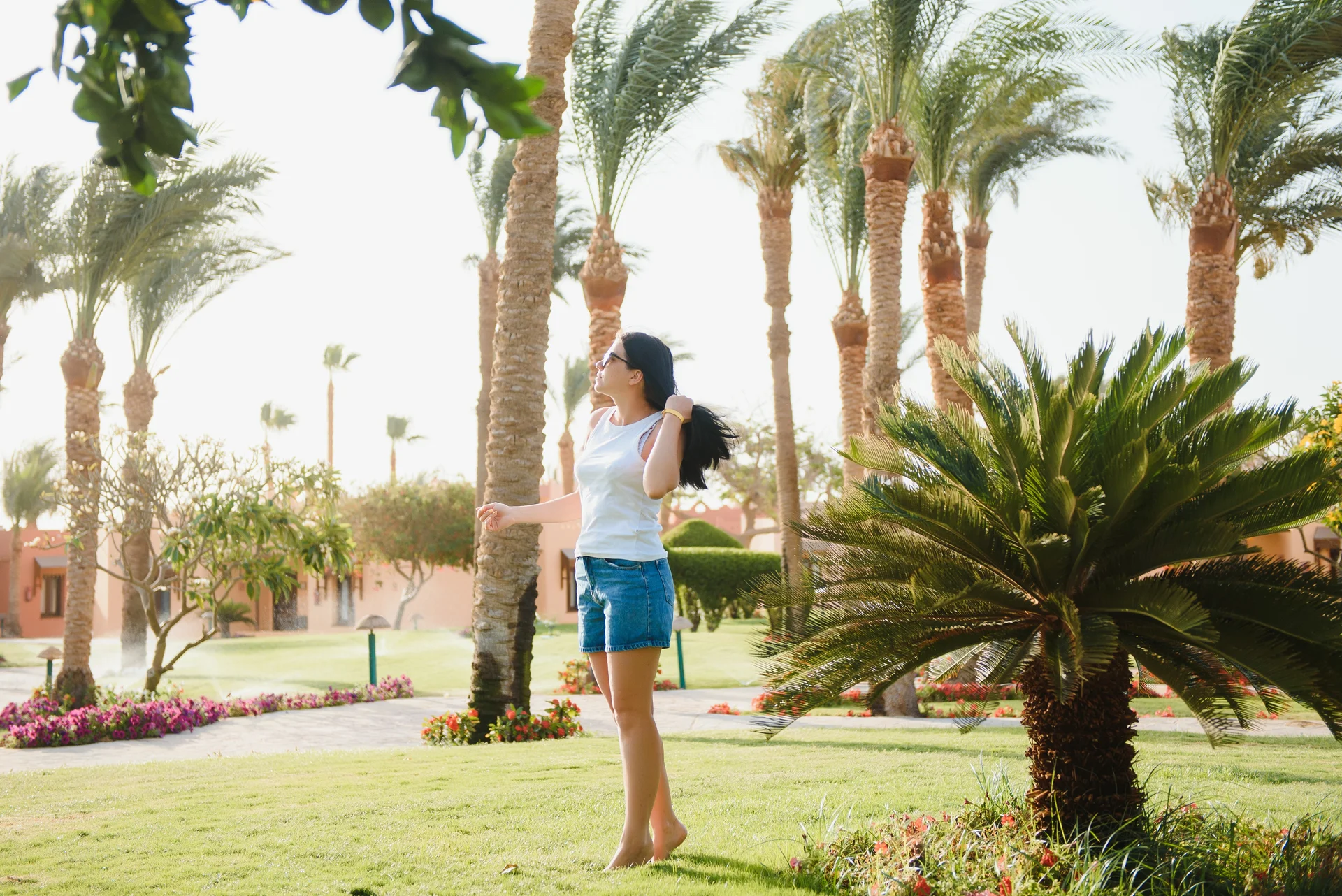
With an investment of AED 348 million, Dubai is set to unveil 35 new parks in 2026, highlighting its commitment to sustainable urban development. According to the Dubai Municipality, this initiative aligns with the Dubai 2040 Urban Master Plan, aimed at expanding green spaces and enhancing the quality of life. As cities around the globe grapple with urbanization challenges, Dubai’s approach could provide a blueprint for integrating nature into urban settings. This expansion not only transforms the city's landscape but also represents a strategic investment in environmental health and community well-being. Visitors and residents can look forward to lush landscapes, vibrant community spaces, and innovative eco-friendly designs that blend seamlessly with Dubai’s modern skyline. From the scent of blooming ghaf trees to the sound of children playing in shaded playgrounds, these parks promise to redefine urban living in the heart of the desert.
Visitor Tips
How to Get There
Frequently Asked Questions
Frequently Asked Questions
- How will the new parks contribute to sustainable urban living in Dubai?
- Dubai’s new parks are designed with sustainability at their core, incorporating several innovative features to enhance urban living. Native plant species like ghaf trees and desert shrubs are being planted to reduce water consumption and support local biodiversity. The parks will also use recycled water for irrigation, significantly cutting down on freshwater usage. Solar-powered lighting and energy-efficient systems will minimize the carbon footprint, while smart sensors will monitor soil moisture and weather conditions to optimize watering schedules. Additionally, the parks will serve as educational hubs, offering workshops on sustainability and urban gardening to encourage community involvement. These efforts align with Dubai’s broader goals of reducing its environmental impact and creating a greener, more livable city.
- What are the projected real estate impacts of the new parks?
- The introduction of 35 new parks is expected to have a significant positive impact on Dubai’s real estate market. Historically, properties near green spaces see an appreciation of 10-20% in value, and Dubai is likely to follow this trend. Areas surrounding the parks, such as Al Barsha, Jumeirah, and Al Qudra, are anticipated to experience increased demand, particularly for residential properties like villas and townhouses. Commercial real estate near the parks may also see a boost, as businesses capitalize on the influx of visitors. However, this surge in demand could lead to higher property prices, potentially affecting affordability for some residents. The Dubai Land Department is closely monitoring these developments to ensure a balanced and sustainable real estate market.
- What role will the parks play in Dubai's social landscape?
- Dubai’s new parks are set to become vibrant social hubs, fostering community engagement and cultural exchange. These spaces are designed to cater to Dubai’s diverse population, offering amenities like open-air theaters for performances, picnic areas for family gatherings, and sports facilities for fitness enthusiasts. The parks will host a variety of events, from traditional Emirati festivals like National Day celebrations to international concerts and food festivals. For expatriate communities, the parks will provide a space to share their cultures through events like Diwali, Christmas markets, or Chinese New Year celebrations. Additionally, the parks will include dedicated areas for children, such as playgrounds and interactive water features, making them ideal for family outings. By bringing people together in a shared green space, the parks aim to strengthen social bonds and create a more cohesive urban community.
- Are there concerns about the long-term viability of these parks?
- While Dubai’s new parks are a promising addition to the city’s urban landscape, there are valid concerns about their long-term viability. One of the primary challenges is water usage, as maintaining lush green spaces in a desert environment requires significant resources. To address this, the Dubai Municipality is implementing water-efficient irrigation systems and prioritizing drought-resistant plant species. Another concern is the cost of maintenance, which includes landscaping, cleaning, and security. The municipality has allocated funds for ongoing upkeep, but long-term sustainability will depend on efficient resource management and potential public-private partnerships. Additionally, as Dubai’s population grows, there may be pressure to repurpose some park areas for development. To mitigate this, the parks are protected under the Dubai 2040 Urban Master Plan, ensuring their preservation as green spaces. Finally, accessibility is a consideration, as some parks may be located in areas with limited public transport options. The municipality is working to improve connectivity, but visitors may need to rely on taxis or private vehicles for now.