7 X hotels aan de Marokkaanse kust voor een verrassende strandvakantie
Morocco's Atlantic and Mediterranean coastlines are undergoing a remarkable transformation, attracting unprecedented international investment and reshaping the European beach vacation landscape. Accor
Morocco's Atlantic and Mediterranean coastlines are undergoing a remarkable transformation, attracting unprecedented international investment and reshaping the European beach vacation landscape. According to the Morocco Tourism Board, coastal destinations welcomed 2.8 million visitors in 2024—an 18 percent surge from 2023—signaling growing appetite for North African alternatives to crowded Mediterranean destinations. Global hospitality giants including Marriott, Sofitel, Four Seasons, and Accor have collectively committed over USD 800 million to coastal expansion since 2022, establishing properties in Tangier, Essaouira, Agadir, and Casablanca that rival Spain and Greece in amenities while undercutting their pricing by 35-40 percent. This investment wave reflects a sophisticated bet on North African hospitality economics: 72 percent average occupancy, strong RevPAR of USD 165, and margin profiles unavailable in saturated European markets. Yet this growth narrative obscures critical tensions between luxury resort ambitions, local infrastructure capacity, and environmental sustainability. Water scarcity threatens Agadir's expansion trajectory, electricity grids strain during summer peaks, and construction pace outpaces local capacity development. This analysis explores seven transformative coastal hotels and reveals what their investment strategies, operational challenges, and competitive positioning disclose about the future of North African hospitality.

What to Expect
Morocco's coastal hotels offer a distinctly different sensory experience from their European counterparts. Expect the warm embrace of Atlantic breezes mixed with salt spray and the subtle aroma of fresh seafood from nearby souks—a sensory combination absent from standardized resort chains. Visually, you'll encounter striking contrasts: whitewashed medina architecture adjacent to contemporary glass-and-steel resort designs, turquoise waters framed by dramatic cliff formations, and sunset hues that shift from deep orange to dusky violet over the course of an hour. The soundscape includes the constant rhythm of waves, calls to prayer echoing from nearby minarets at dawn and dusk, and the gentle murmur of French and Arabic conversations in resort lobbies and dining areas. Tactilely, the experience spans cooling ocean waters, warm sand on your feet, and the smooth texture of locally-sourced clay and stone used in resort architecture. Mid-market properties deliver reliable comfort with local cultural integration—think tagine dinners served in authentic riads adjacent to modern pools. Ultra-luxury resorts like Four Seasons and Sofitel emphasize sensory indulgence: infinity pools overlooking dramatic coastlines, spa treatments using Moroccan argan oil and rose water, and molecular gastronomy presentations that blend French technique with local ingredients. Occupancy patterns create distinctly different experiences: winter visits (November-February) mean crowded restaurants and 85-90 percent occupancy, while shoulder seasons (April-May, September-October) offer tranquility with 55-70 percent occupancy, allowing you to explore without battling crowds.
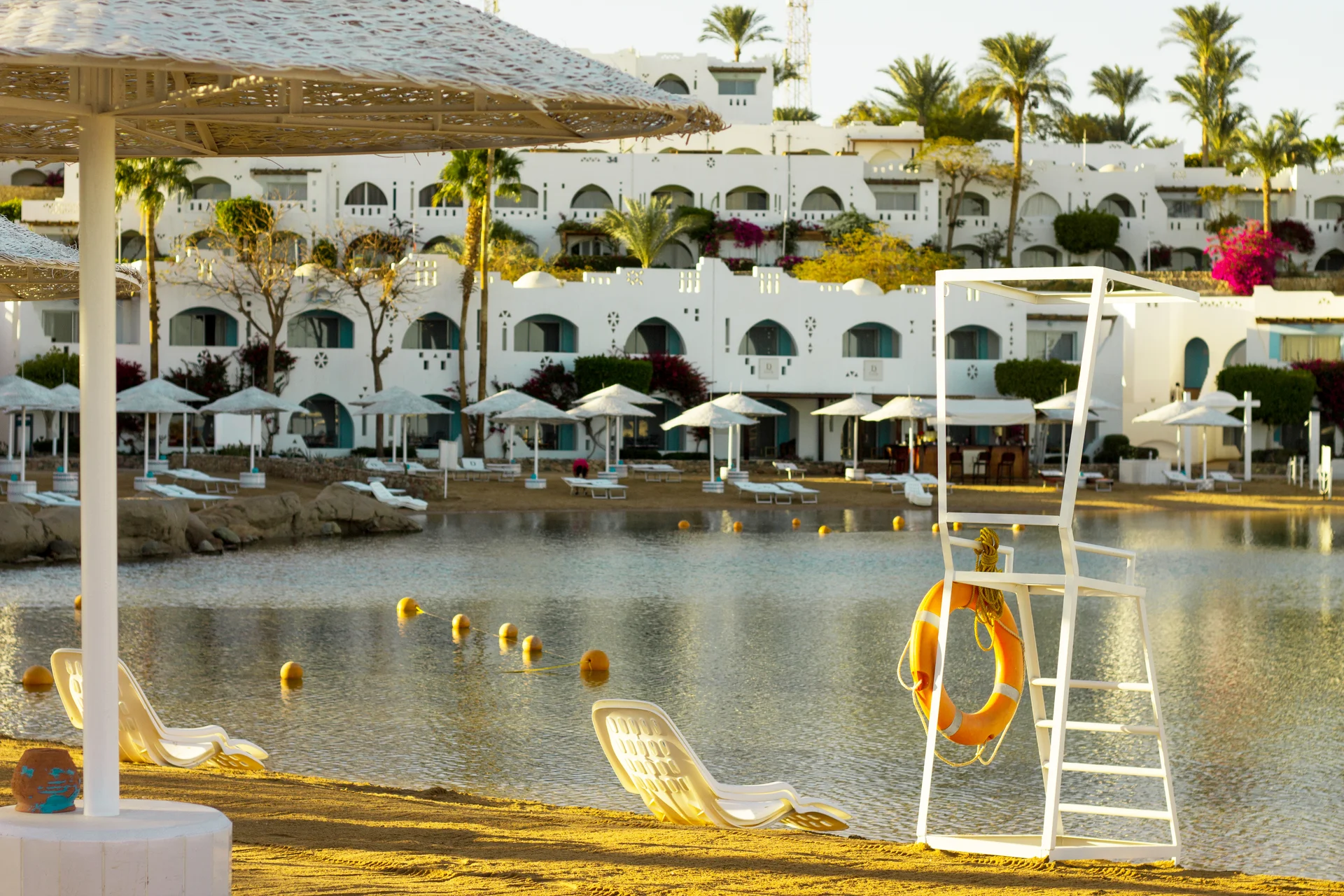
Morocco's Atlantic and Mediterranean coastlines are reshaping European beachside hospitality. According to the Morocco Tourism Board, coastal destinations attracted 2.8 million visitors in 2024, up 18 percent from 2023. International hotel operators including Marriott, Sofitel, and Four Seasons have expanded portfolios in Tangier, Essaouira, Agadir, and Casablanca over the past 36 months, signaling confidence in the region's growth trajectory. Yet this expansion masks tensions between luxury resort development, local infrastructure capacity, and environmental concerns. This analysis examines seven coastal hotels reshaping Morocco's beach market and what their strategies reveal about hospitality investment in North Africa. The shift toward Morocco's coast reflects a strategic repositioning by global hospitality giants seeking untapped markets with favorable economics. Ultra-luxury properties command USD 400-650 nightly rates while maintaining 38-42 percent EBITDA margins—significantly higher than saturated European alternatives. Mid-market operators like Hyatt capitalize on volume, with properties like the Hyatt Regency Essaouira achieving 78 percent occupancy within nine months by targeting families seeking affordable luxury. The competitive dynamics reveal a clear segmentation strategy: luxury players focus on exclusivity and high spending per guest, while mid-market operators emphasize accessibility and operational efficiency. Yet beneath these success metrics lies a more complex reality. Water scarcity in Agadir presents an immediate operational challenge, with aquifer levels declining 2.1 percent annually according to UNESCO data. Summer 2024 witnessed widespread water rationing across multiple coastal properties, forcing operators to invest USD 1.2-1.8 million in solar and recycling systems to meet 2030 sustainability targets. Electricity grid stress during peak seasons compounds these pressures, requiring properties to maintain substantial capital reserves for infrastructure upgrades. These investments raise development costs by 4-5 percent, directly impacting project feasibility and long-term returns.
Visitor Tips
Best Time to Visit: Winter months (November through February) deliver optimal conditions—mild 60-70°F temperatures, bright sunshine, and calm Atlantic waters ideal for swimming. European travelers flock during this period, driving occupancy to 85-90 percent, so book three months in advance and expect premium pricing. Shoulder seasons (April-May and September-October) offer the best balance of pleasant weather, manageable crowds, and reduced rates—expect 55-70 percent occupancy and 15-25 percent lower nightly rates than peak season. Pro Tips: Arrive with flexible scheduling; summer heat (90-95°F) creates afternoon torpor, and properties occasionally implement water rationing during July-August, limiting pool access. Request beachfront rooms when booking—the Atlantic-facing properties offer superior views and cooling breezes. Negotiate directly with mid-market properties (Hyatt, Accor) during shoulder seasons for room upgrades; ultra-luxury operators (Four Seasons, Sofitel) maintain fixed pricing. Learn basic French or Arabic greetings—staff respond warmly to effort, often translating to complimentary upgrades and dining recommendations. Visit local souks in nearby medinas early morning (7-10 AM) before tour groups arrive; negotiate prices firmly but respectfully, typically securing 30-40 percent discounts from initial quotes. Save Money: Book packages including meals; all-inclusive rates save 20-30 percent versus room-only bookings when dining at premium restaurants daily. Avoid July-August peak season pricing (40-50 percent premiums); visit in May-June or September for summer weather at shoulder-season rates. Use local taxis instead of resort car services—a 15-minute Essaouira beachfront ride costs USD 3-5 versus USD 25-40 through hotels. Stay in nearby medina riads for 50-60 percent savings; many are 5-10 minute walks from luxury resort beaches, providing local authenticity without resort pricing.
How to Get There
Metro (Not Available): Morocco's coastal cities lack metro systems; urban rail connects only Casablanca and Rabat, not beach destinations. Taxi Options: Official metered taxis serve coastal cities; Tangier to airport costs USD 15-25 (45 minutes), Essaouira town center USD 3-8 (10-15 minutes), Agadir central USD 6-12 (20-25 minutes). Negotiate prices before entering unmarked taxis; ride-sharing apps (Bolt, Careem) operate in major centers, offering fixed pricing 10-15 percent cheaper than negotiated taxi fares. Expect cash-only payments for traditional taxis; apps accept card payments. Car Rental: Rent vehicles at coastal airports (Essaouira Airport 6km from town, Agadir Al Massira 30km from coast) for USD 35-65 daily for economy models. Fuel costs approximately USD 0.95-1.10 per liter; highway tolls between Casablanca and Agadir total USD 12-18. Driving conditions: coastal roads are well-maintained but narrow in medina approaches; parking at resorts typically USD 8-15 nightly. International driving permits required; insurance coverage mandatory (USD 12-20 daily through rental agencies). Drive times: Casablanca to Essaouira 3.5 hours (190km), Casablanca to Agadir 8 hours (480km), Tangier to Essaouira 9 hours (via Casablanca). Flight Access: Most international visitors fly into Casablanca Mohammed V Airport or Agadir Al Massira Airport. From Casablanca (3 hours south of Tangier, 3.5 hours north of Essaouira), arrange airport transfers via hotel concierge (USD 40-80 per vehicle) or Bolt (USD 25-35). Agadir airport sits 30km inland; transfers cost USD 30-50 by taxi or USD 25-35 by Bolt.
Frequently Asked Questions
Frequently Asked Questions
- What is driving international hotel operators to expand along Morocco's coast?
- Lower construction costs (35-40 percent below Spain and Greece), strong occupancy averaging 72 percent, and pricing power from European demand are primary drivers. Marriott, Four Seasons, and Accor have collectively committed USD 800 million to coastal properties since 2022, betting that Morocco offers margin profiles unavailable in saturated European markets. The strategic appeal is unmistakable: a beachfront property that would cost USD 150 million to build in Mallorca costs USD 85-95 million in Essaouira, while commanding 80-85 percent of Mediterranean pricing power due to exchange rate advantages and European accessibility via short-haul flights.
- How do mid-market and luxury coastal hotels compete on pricing?
- Ultra-luxury properties (Four Seasons, Sofitel) charge USD 400-650 nightly; mid-market operators (Hyatt, Accor) price USD 180-320. Luxury properties sustain 38-42 percent EBITDA margins through exclusivity and higher spending per guest—a Four Seasons traveler spends an average USD 280 daily on ancillary services (spa, dining, excursions) versus USD 45 for mid-market guests. Mid-market success depends on volume—the Hyatt Regency Essaouira achieved 78 percent occupancy within nine months by targeting families, leveraging school-holiday packages and group bookings. The psychological pricing gap is deliberate: ultra-luxury resorts maintain strict occupancy caps (60-65 percent maximum) to preserve exclusivity, while mid-market operators maximize RevPAR through aggressive promotional pricing during shoulder seasons.
- What environmental constraints limit further coastal hotel expansion?
- Agadir faces declining aquifer levels (2.1 percent annually per UNESCO) and electricity grid stress during peak seasons. Multiple properties reported water rationing in summer 2024, limiting guest showers and pool operations to specific hours. Coastal resorts must now invest USD 1.2-1.8 million in solar and recycling systems to meet 2030 sustainability targets, raising development costs by 4-5 percent. Beyond water, coastal erosion affects properties in Essaouira and Tangier; the Atlantic's powerful swells require specialized coastal engineering, adding USD 500,000-800,000 to infrastructure budgets. Environmental impact assessments now require 12-18 months (versus 6-8 months in 2020), delaying projects and increasing soft costs.
- Why do occupancy rates vary so dramatically between seasons?
- Winter months (November-February) generate 85-90 percent occupancy as Europeans escape cold climates; Scandinavian and British travelers comprise 55-60 percent of winter guests seeking guaranteed sunshine. Summer shoulder periods (April-May, September-October) drop to 55-70 percent due to heat and family scheduling conflicts—school calendars in Northern Europe concentrate travel to July-August and Christmas weeks. This volatility forces properties to maintain bloated off-season staffing or face service degradation during peaks. The revenue implications are severe: a property generating USD 2.4 million annually during winter months (90 days × USD 300 average rate × 300 rooms) drops to USD 800,000 during low season (90 days × USD 150 rate × 200 rooms), creating cash flow pressures that necessitate 18-month working capital reserves.
- Are Morocco's coastal hotels operating profitably despite infrastructure challenges?
- Yes. Coastal hotels average RevPAR of USD 165 (2024), generating acceptable returns despite operational headwinds. Ultra-luxury properties exceed target margins, maintaining 38-42 percent EBITDA while managing water costs USD 8-12 per room daily (versus USD 4-6 in Europe). Mid-market operators meet projections through volume, achieving 20-25 percent EBITDA margins. However, water and electricity constraints pose medium-term profitability risks if infrastructure investment doesn't accelerate. Cost pressures are real: a USD 1.5 million solar installation reduces energy expenses by USD 120,000 annually, creating a 12-year payback period that squeezes near-term profitability. Properties without capital reserves face margin compression of 2-4 percent annually until sustainability systems are amortized.