A Guide To The Best Events In March 2026 In Rome
March 2026 in Rome promises an unforgettable blend of cultural richness, artistic brilliance, and athletic energy, making it one of the most exciting times to visit the Eternal City. According to the
March 2026 in Rome promises an unforgettable blend of cultural richness, artistic brilliance, and athletic energy, making it one of the most exciting times to visit the Eternal City. According to the Italian Ministry of Culture, turnout for March events has surged by 12% in recent years, underscoring Rome’s magnetic appeal to global travelers. The city, still basking in its post-pandemic revival, welcomes visitors with open arms, offering a perfect balance of mild weather, vibrant street life, and world-class events. STR Global’s data reveals that tourism in Rome has not only rebounded but thrived, with March’s comfortable temperatures—ranging from crisp mornings to sun-drenched afternoons—creating an ideal setting for both indoor exhibitions and outdoor festivities. Whether you're an art lover eager to explore masterpieces by Bernini or Mucha, a music enthusiast drawn to the soulful melodies of Giorgia or the electrifying performances of Achille Lauro, or a sports fan ready to cheer at the RomaOstia Half Marathon or the Six Nations Rugby Championship, Rome in March caters to every passion. The city’s historic streets, lined with ancient ruins and modern cafés, buzz with energy as locals and tourists alike immerse themselves in a month-long celebration of creativity, competition, and community. From the grandeur of Palazzo Barberini to the lively atmosphere of Stadio Olimpico, March 2026 transforms Rome into a dynamic stage where history and contemporary culture collide, offering experiences that linger long after the month ends.
What to Expect
Stepping into Rome in March is like entering a living canvas where every corner pulses with life. The air is filled with the rich aroma of freshly brewed espresso mingling with the sweet scent of almond blossoms from nearby trees, while the distant hum of Vespas and animated Italian conversations create a symphony of urban energy. As you wander through the city, your eyes will feast on a kaleidoscope of colors—from the golden hues of ancient monuments bathed in sunlight to the vibrant posters advertising art exhibitions and concerts plastered on historic walls. The tactile experience is equally immersive: the smooth marble of Bernini’s sculptures under your fingertips, the warmth of a Roman pizza slice in your hands, or the gentle breeze carrying the faint salty tang of the nearby Tyrrhenian Sea. The city’s museums and galleries, like Palazzo Barberini and PM23, offer a visual feast, where the brushstrokes of Mucha’s Art Nouveau masterpieces seem to dance before your eyes, and the intricate details of Baroque art leave you in awe. Outdoors, the RomaOstia Half Marathon transforms the streets into a sea of runners, their rhythmic footsteps echoing against the cobblestones, while the roar of the crowd at the Six Nations Rugby Championship at Stadio Olimpico sends shivers down your spine. Evenings bring a magical glow as streetlights illuminate the city’s iconic fountains, casting shimmering reflections on the water’s surface, while the sound of live music spills from cozy jazz clubs and open-air piazzas. Whether you're sipping a glass of local wine at a rooftop bar or exploring the labyrinthine alleys of Trastevere, Rome in March engages all your senses, leaving you utterly enchanted.
March 2026 in Rome is set to be a hotbed of cultural vibrancy with events spanning art, music, and athletics. According to the Italian Ministry of Culture, turnout for March events increased by 12% in recent years, highlighting the city's growing international appeal. As reported by STR Global, tourism in Rome has recovered significantly post-pandemic, with March temperatures providing an ideal backdrop for both indoor and outdoor events. This article explores the wide array of offerings that make this optimal travel time more enticing, catering to diverse interests from art aficionados to sports enthusiasts.
Visitor Tips
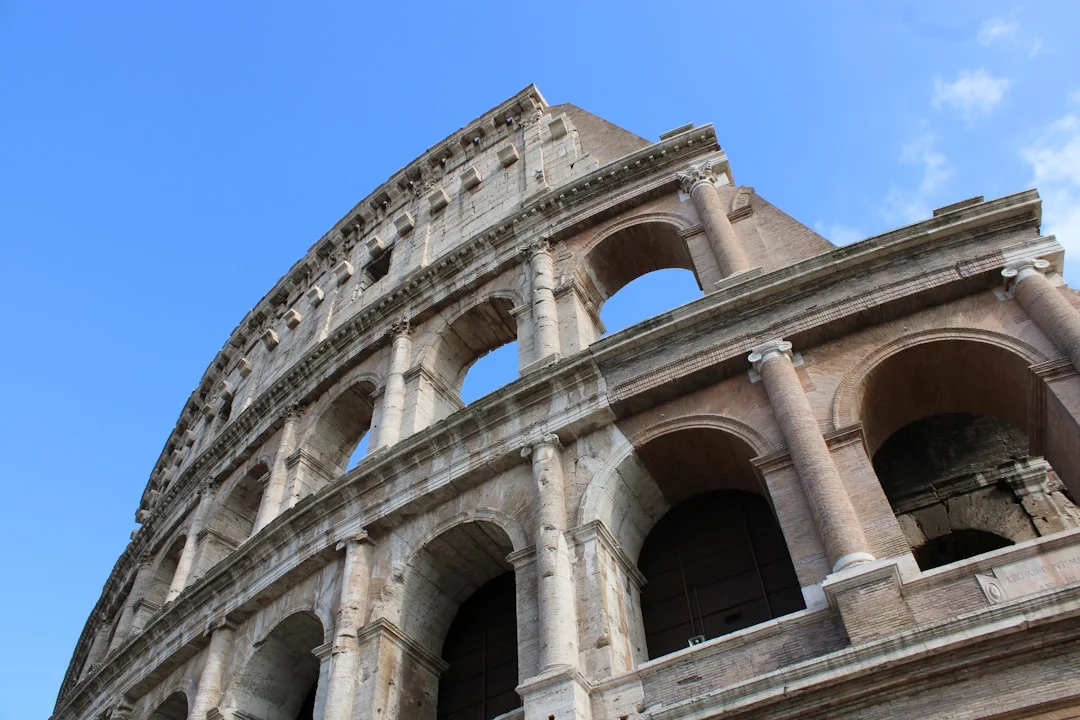
To make the most of your March visit to Rome, timing and planning are key. **Best Time to Visit:** March offers mild weather, but mornings can be chilly, so pack layers. Weekdays are ideal for visiting popular attractions like Palazzo Barberini or the Vatican, as weekends tend to be more crowded. **Pro Tips:** Book tickets for major events, such as the Six Nations Rugby Championship or Giorgia’s concert, well in advance, as they sell out quickly. For art exhibitions, consider purchasing a Roma Pass, which offers skip-the-line access to multiple museums and free public transport. **Save Money:** Dine like a local by avoiding restaurants near major tourist spots—opt for trattorias in neighborhoods like Testaccio or Monti, where prices are lower and the food is authentic. Public transport is affordable and efficient; a 24-hour metro/bus ticket costs just €7. For a unique experience, explore Rome’s lesser-known gems, like the Aventine Keyhole or the Orange Garden, which offer stunning views without the crowds. **Accessibility:** While Rome’s historic center is charming, its cobblestone streets and uneven sidewalks can be challenging for those with mobility issues. Stick to main thoroughfares like Via del Corso for easier navigation, and consider using taxis or ride-sharing services for longer distances. Finally, don’t forget to validate your train or bus tickets before boarding to avoid fines—Italian transit authorities are strict!
How to Get There
Getting to Rome in March is convenient, with multiple transportation options to suit every budget and preference. **By Metro:** Rome’s metro system is efficient and affordable, with a single ticket costing €1.50 and valid for 100 minutes of travel. The Metro A line connects major attractions like the Vatican and Spanish Steps, while Metro B serves the Colosseum and Termini Station. For events at Stadio Olimpico, take Metro A to Flaminio and transfer to the tram. **By Taxi:** Taxis are readily available but can be pricey. A ride from Fiumicino Airport to the city center costs around €50, while a trip from Ciampino Airport is approximately €30. Always use official white taxis with a ‘TAXI’ sign on the roof, and insist on the meter being turned on to avoid overcharging. Ride-sharing apps like Uber and FreeNow are also available, though Uber operates on a limited basis in Rome. **By Car:** Driving in Rome can be chaotic, with narrow streets, limited parking, and strict ZTL (Zona a Traffico Limitato) zones that restrict vehicle access. If you rent a car, park in designated lots outside the city center and use public transport to explore. For day trips, consider renting a car from agencies near Termini Station, with daily rates starting at €40. **By Train:** High-speed trains like Frecciarossa and Italo connect Rome to other Italian cities, with tickets from Florence starting at €20 and from Milan at €30. Arriving at Roma Termini, the city’s main train station, provides easy access to metro lines and taxis. For the RomaOstia Half Marathon, take the Roma-Lido train from Piramide Station to Ostia, with tickets costing €1.50 each way.
Frequently Asked Questions
Frequently Asked Questions
- What are the main art exhibitions in Rome in March 2026?
- The main art exhibitions in March 2026 include 'Bernini e i Barberini' at Palazzo Barberini, showcasing Baroque masterpieces, and 'VENUS: Valentino Garavani by Joana Vasconcelos' at PM23, a vibrant fusion of fashion and contemporary art. Additionally, the Art Nouveau exhibition 'Alphonse Mucha' at Palazzo Bonaparte, featuring iconic posters and decorative panels, concludes on March 8, making it a must-see before it ends.
- How do live music events impact Rome in March?
- Live music events in March significantly boost Rome’s tourism and local economy. Concerts by artists like Giorgia and Achille Lauro attract thousands of fans, filling hotels, restaurants, and bars. The Rome Whisky Festival further enhances beverage tourism, drawing enthusiasts to sample rare spirits and engage in tastings, which supports local businesses and creates a lively, festive atmosphere across the city.
- What is the significance of the RomaOstia Half Marathon?
- The RomaOstia Half Marathon, established in 1974, is one of Italy’s most prestigious athletic events, drawing over 11,600 participants annually. It highlights Rome’s role in sports tourism, generating economic benefits for local hotels, restaurants, and shops. The race also fosters community spirit, as spectators line the route to cheer runners, creating a vibrant and inclusive atmosphere throughout the city.
- How does the Six Nations Rugby Championship influence local businesses?
- The Six Nations Rugby Championship, particularly the Italy vs. England match at Stadio Olimpico, has a substantial economic impact on Rome. Thousands of fans flock to the city, filling hotels and dining at local restaurants, which see a surge in revenue. Nearby bars and shops also benefit from increased foot traffic, while the event’s global exposure enhances Rome’s reputation as a premier destination for sports tourism.