Accor Seeks Cooler Regions, Staycations, To Avoid Climate Costs
Imagine stepping into a hotel where the air is cool and crisp, the hum of energy-efficient systems blends seamlessly with the sounds of a bustling city or a tranquil forest, and every detail—from the
Imagine stepping into a hotel where the air is cool and crisp, the hum of energy-efficient systems blends seamlessly with the sounds of a bustling city or a tranquil forest, and every detail—from the locally sourced breakfast to the solar-powered lighting—reflects a commitment to sustainability. This is the future Accor is building as it pivots its global expansion strategy toward cooler regions and destinations with renewable energy infrastructure. No longer chasing growth at any cost, the world’s largest hospitality company is making a bold economic and environmental statement: the next era of travel will be shaped by climate resilience. By 2030, 40% of Accor’s new properties will be located in climates with average annual temperatures below 15 degrees Celsius, a move driven by the stark reality that extreme heat inflates operational costs by up to 25% annually. But this isn’t just about cutting costs—it’s about reimagining the guest experience. Whether it’s the invigorating chill of a Nordic morning, the golden hues of autumn in Eastern Europe, or the quiet efficiency of a hotel powered by hydroelectric energy, Accor is betting that travelers will embrace destinations where comfort and sustainability go hand in hand. As international travel faces challenges from climate anxiety and economic uncertainty, the rise of staycations offers a silver lining, with domestic leisure travel becoming a cornerstone of Accor’s strategy. This isn’t just a shift in geography; it’s a transformation in how we think about travel itself.

What to Expect
As Accor reorients its strategy toward cooler, climate-resilient regions, travelers can expect a sensory-rich experience that blends sustainability with comfort. Picture the invigorating chill of a Scandinavian morning, where the air carries the faint scent of pine and the soft crunch of frost underfoot as you step outside. Inside, the hum of energy-efficient systems is barely noticeable, replaced by the warm crackle of a fireplace in the lobby or the quiet murmur of guests enjoying locally sourced coffee. In cities like Berlin or Lyon, the air is filled with the aroma of fresh pastries from nearby bakeries, while the gentle clatter of bicycles and the distant chime of a tram create a rhythmic backdrop to your stay. Accor’s properties in these regions are designed to immerse guests in the local culture—think farm-to-table dining experiences where the flavors of the season take center stage, or guided urban hikes that reveal hidden gems in the city. Even the textures are thoughtfully curated: the smooth, cool touch of reclaimed wood furniture, the plush comfort of organic cotton linens, and the soft glow of LED lighting that mimics natural daylight. Whether you’re exploring the cobblestone streets of Krakow or unwinding in a countryside lodge in the Alps, the experience is as much about the environment as it is about the stay itself. And with a focus on renewable energy, you’ll feel good knowing that your visit is leaving a lighter footprint on the planet.
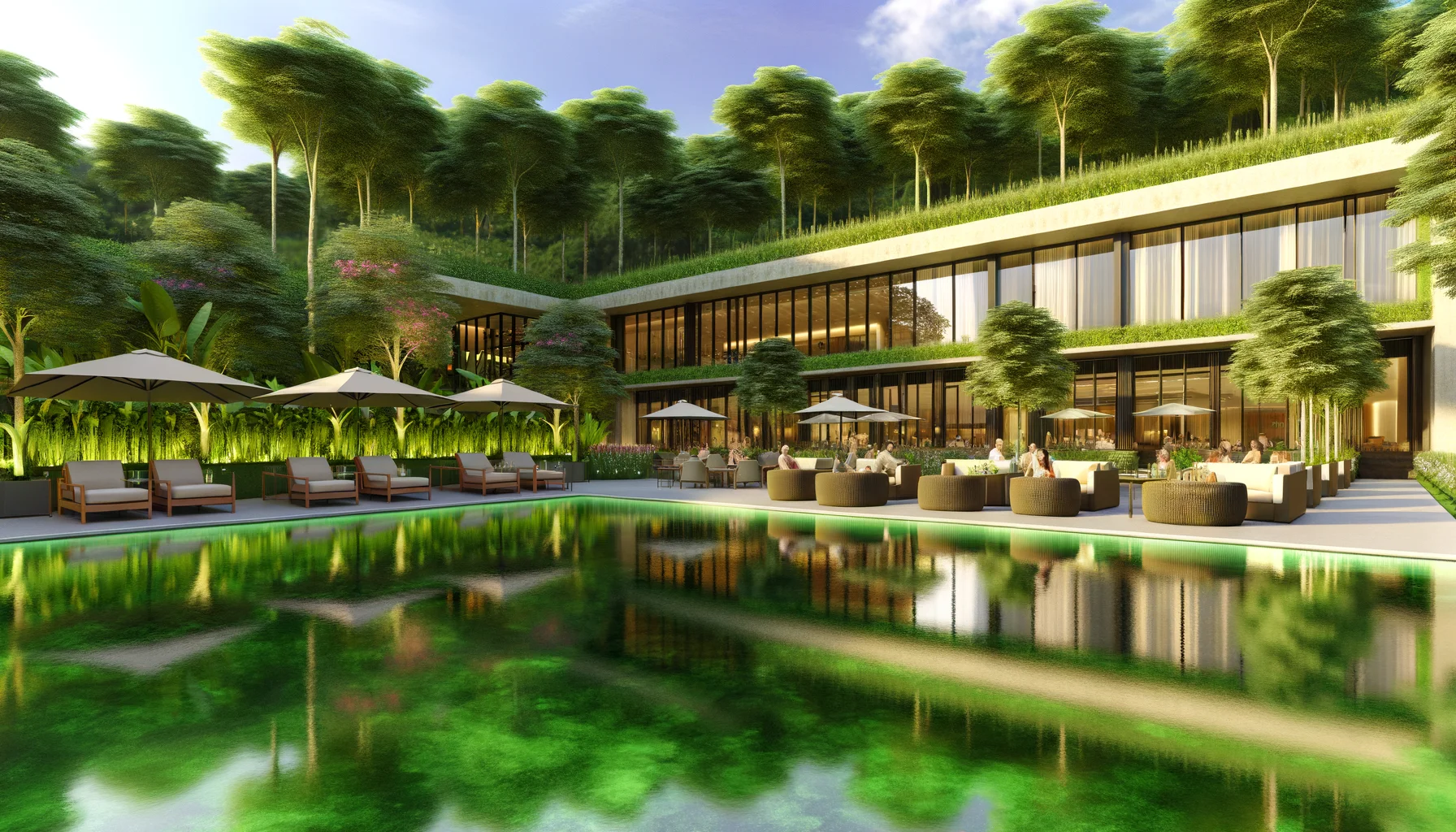
Accor, the world's largest hospitality company by number of properties, is fundamentally reshaping its global expansion strategy in response to climate pressures and regulatory costs. The company now prioritizes cooler geographic regions and destinations with renewable energy infrastructure—a stark reversal from decades of growth-at-any-cost mentality. According to Accor's 2025 sustainability roadmap, the chain operator plans to develop 40% of new properties in climates with average annual temperatures below 15 degrees Celsius by 2030. This pivot reflects a hard economic calculation: extreme heat drives operational costs up by 18-25% annually through increased cooling demand, water scarcity fees, and carbon tax exposure. Picture the hum of energy-efficient heat pumps in a sleek Berlin hotel, the crisp scent of pine forests surrounding a Scandinavian lodge, or the soft glow of LED lighting in a Parisian boutique property—all designed to minimize environmental impact while maximizing guest comfort. Simultaneously, staycation demand—domestic leisure travel—has become a stabilizing revenue stream as international travel faces headwinds from both climate anxiety and tightening consumer budgets. In cities like Lyon or Krakow, Accor’s local properties are seeing a surge in weekend bookings from residents eager to explore their own backyards, often lured by curated experiences like farm-to-table dining or guided urban hikes. This shift isn’t just about sustainability; it’s about creating hyper-localized stays that resonate with travelers seeking authenticity. Accor's strategic reorientation signals that the hospitality industry is moving beyond net-zero rhetoric toward geographic and business model arbitrage, with a focus on regions where the air is fresher, the energy is cleaner, and the guest experience is anything but ordinary.
Visitor Tips
How to Get There
Frequently Asked Questions
Frequently Asked Questions
- Why is Accor specifically targeting cooler regions for new hotel development?
- Accor’s shift toward cooler regions isn’t just about sustainability—it’s a smart economic move. Imagine running a hotel in Dubai, where the scorching heat forces you to crank up the air conditioning 24/7, sending energy bills through the roof. Now, picture a property in Norway or Germany, where the climate is naturally cooler, and renewable energy sources like hydroelectric or wind power keep costs low. Accor’s data shows that hotels in cooler regions enjoy 35-60% lower energy consumption for climate control, and they’re less likely to face water scarcity fees or carbon taxes. For example, a hotel in Oslo might spend just 2-3% more on operational costs each year, while a comparable property in the Middle East could see costs skyrocket by 18-25%. This isn’t just about saving money—it’s about future-proofing the business. Corporate travelers, especially those with ESG (Environmental, Social, and Governance) policies, are increasingly choosing hotels in regions with clean energy grids, even if it means paying a premium. So, by focusing on cooler climates, Accor isn’t just cutting costs; it’s positioning itself as a leader in sustainable hospitality, attracting both eco-conscious guests and investors who see long-term value in climate-resilient assets.
- How much does climate-related operating cost inflation actually impact hotel profitability?
- Let’s put it this way: running a hotel in a hot climate is like trying to cool a house with all the windows open—it’s expensive, inefficient, and the costs add up fast. Accor’s research shows that hotels in warm regions face annual cost increases of 18-25%, driven by three main factors: air conditioning, water scarcity, and carbon taxes. Air conditioning alone can account for 40-60% of a hotel’s energy bill in places like Dubai or Miami, where temperatures routinely soar above 40°C (104°F). Water scarcity is another major issue—hotels in the Gulf region can pay up to $12 per cubic meter of water, compared to just a few dollars in cooler climates. And then there are carbon taxes, which are becoming more common as governments crack down on emissions. For example, a hotel in the UAE might face carbon taxes that add thousands of dollars to its annual operating costs, while a property in France, where 70% of electricity comes from nuclear power, avoids these fees altogether. Over time, these costs compound, making hot-climate hotels less profitable. Accor’s strategy is to avoid these financial pitfalls by focusing on regions where the climate and energy infrastructure work in their favor.
- Are staycations actually replacing international travel, or just supplementing it?
- Staycations are like the comfort food of travel—they’re not replacing the exotic flavors of international trips, but they’re becoming a reliable staple in many travelers’ diets. Accor’s data shows that while international travel declined by 11% in 2025, staycation bookings at its properties grew by 34%, particularly in secondary cities like Lyon, Krakow, and Porto. The key difference? Length of stay. Domestic guests tend to stay longer—an average of 3.2 nights compared to 2.1 for international travelers—which means hotels can optimize staffing and reduce turnover costs. For example, a family booking a weekend at the Novotel Lyon Centre might spend Friday exploring the city’s historic Vieux Lyon district, Saturday visiting a nearby vineyard, and Sunday relaxing at the hotel’s spa. It’s a slower, more immersive experience that many travelers are embracing, especially as climate anxiety and economic uncertainty make long-haul trips less appealing. That said, staycations aren’t a perfect solution. Domestic markets can saturate quickly, and competition from independent hotels and Airbnb is fierce. Accor is countering this by offering unique, localized experiences—like cooking classes with local chefs or guided hikes—that give guests a reason to choose their properties over alternatives.
- What percentage of Accor's development pipeline is now in cooler climates?
- Accor’s development pipeline is like a weather map, with a clear shift toward cooler, more climate-resilient regions. As of 2025, about 2,100 of the 4,850 properties in Accor’s pipeline—roughly 43%—are targeting Northern Europe, Eastern Europe, and moderate-climate areas in Asia-Pacific. To put that into perspective, Turkey, Germany, and France are now the top three countries for new Accor developments, while the Middle East has seen a sharp decline, dropping from 680 planned properties in 2022 to just 310 in 2025. This isn’t just a numbers game; it’s a deliberate reallocation of capital toward regions where the climate and energy infrastructure align with Accor’s long-term goals. For example, Germany’s strong renewable energy grid and France’s nuclear-powered electricity make them ideal for new developments, while countries like Norway, with its 98% hydroelectric power, are becoming hotspots for eco-conscious travelers. This shift reflects Accor’s belief that the future of hospitality lies in destinations where sustainability and profitability go hand in hand.
- How much premium pricing can hotels command if they operate on renewable energy grids?
- Hotels powered by renewable energy grids aren’t just good for the planet—they’re also good for the bottom line. Accor’s data shows that properties in regions with clean electricity, like Norway (98% hydroelectric) or France (70% nuclear), can charge 8-12% more for their rooms, especially to corporate travelers with ESG procurement policies. For example, a business traveler booking a stay at the Novotel Oslo Central might be willing to pay €20 more per night knowing that the hotel’s energy comes from renewable sources. But the benefits don’t stop at room rates. These properties also enjoy lower insurance premiums—sometimes up to 2.5 times less than hotels in warm climates—and qualify for green financing terms that can save millions in interest payments. For instance, a hotel in Sweden might secure a loan with a 1% lower interest rate because it meets strict sustainability criteria. It’s a win-win: guests feel good about their stay, and Accor enjoys higher profits and lower costs. This premium pricing isn’t just about marketing—it’s about creating a tangible value proposition for travelers who prioritize sustainability.
- Will Accor abandon existing properties in hot-climate destinations like Dubai and Abu Dhabi?
- Accor isn’t abandoning its properties in hot-climate destinations like Dubai or Abu Dhabi—at least not yet. These markets are still highly profitable, with some hotels generating EBITDA margins of 22% or more. For example, the Sofitel Dubai Downtown might face higher cooling costs, but it also commands premium room rates and attracts high-spending guests. The real shift is in Accor’s development strategy. While the company will continue to maintain and upgrade its existing portfolio in warm climates, it’s no longer adding new properties in these regions. Instead, it’s focusing on optimizing the assets it already has, whether that means investing in energy-efficient cooling systems, renegotiating water contracts, or targeting niche markets like luxury travelers or long-term corporate stays. The goal is to maximize returns from these properties before climate costs erode their profitability. Think of it like a farmer rotating crops—Accor is planting new seeds in cooler, more fertile ground while still harvesting what it can from the existing fields. Over time, as climate pressures intensify, the balance may shift further, but for now, the focus is on getting the most out of both old and new markets.