All About the Baguette: The Ten Best in Paris
The Grand Prix de la Baguette Traditionnelle Française is more than just a baking competition; it's a celebration of French culinary heritage and the dedication of artisans who strive for perfection i
The Grand Prix de la Baguette Traditionnelle Française is more than just a baking competition; it's a celebration of French culinary heritage and the dedication of artisans who strive for perfection in every loaf. Held annually in Paris, the event showcases the skill and passion of bakers from across the city, all vying for the coveted title of the best baguette maker. In 2026, the 33rd edition of this prestigious competition drew 143 bakers, each presenting their finest baguette in hopes of winning the 4,000-euro prize and the honor of supplying the Elysee Palace for an entire year. The judging panel, comprising deputy mayors, industry experts, and journalists, meticulously evaluates each baguette based on criteria such as appearance, aroma, taste, texture, and baking quality. The competition not only highlights the importance of the baguette in French culture but also reveals a fascinating trend: the increasing success of international-born bakers, challenging traditional notions of who can master this iconic bread. This year's winner, Sithamparappillai Jegatheepan, exemplifies this shift, adding a new layer to the story of French baking tradition. It's a testament to the power of skill and passion transcending cultural boundaries, solidifying Paris as a global epicenter for culinary excellence. The event sparks a vital conversation about tradition, innovation, and the evolving identity of French cuisine.

What to Expect
Imagine the bustling atmosphere as you approach the competition venue. The air is thick with the enticing aroma of freshly baked bread, a symphony of yeasty, nutty, and slightly sweet notes mingling in the air. The sights are just as captivating: rows upon rows of golden-brown baguettes, each meticulously crafted and presented. You see the judges, their faces serious and focused, carefully examining each loaf, breaking off pieces to assess the texture and aroma. The sounds of hushed whispers and the occasional murmur of agreement fill the room. Feel the warmth emanating from the ovens, a comforting embrace on a cool Parisian day. The texture of the baguettes themselves is a sensory experience – the satisfying crunch of the crust giving way to a soft, airy interior. You can taste the subtle tang of the sourdough, the slight sweetness of the wheat, and the lingering warmth of the oven.
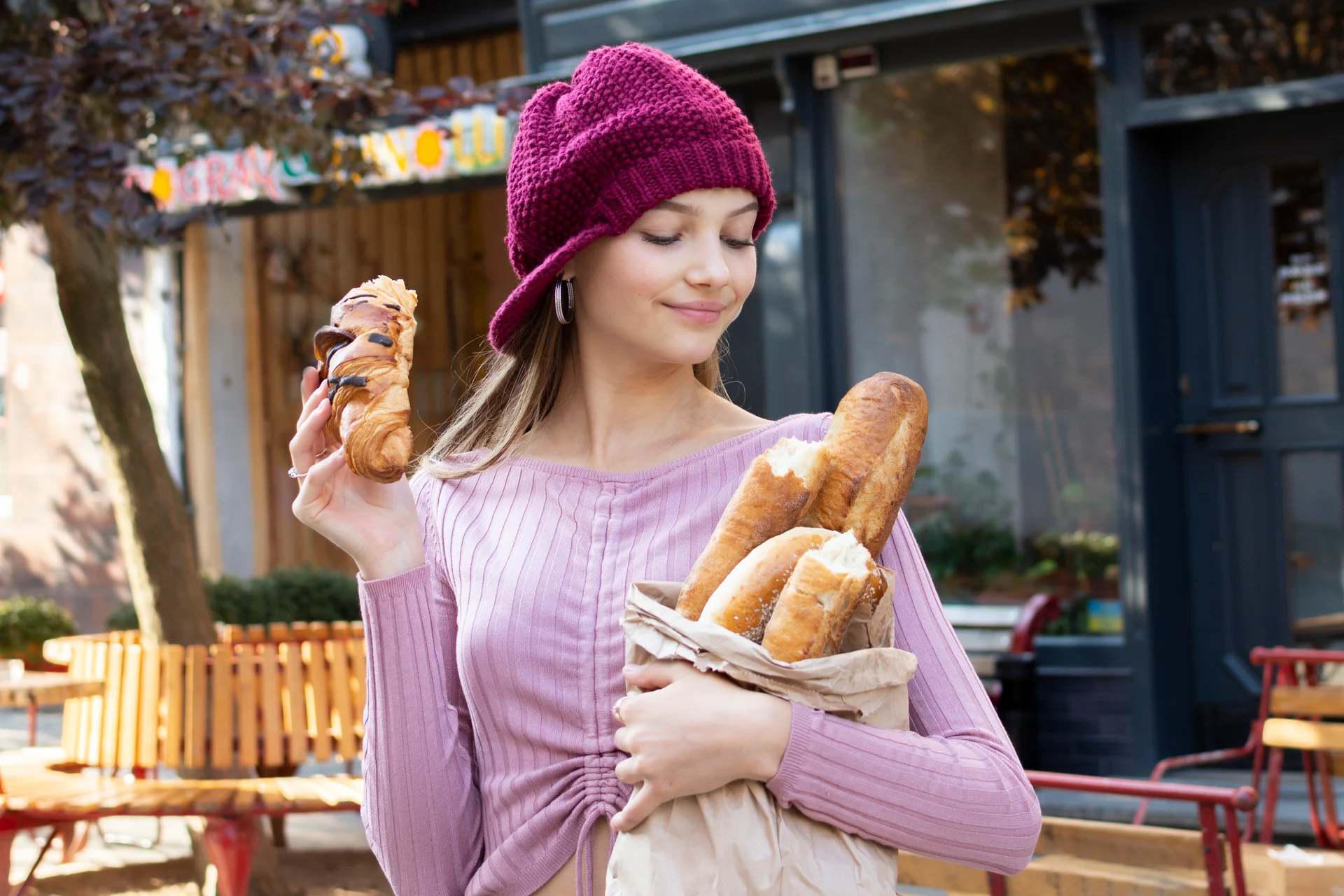
Imagine stepping into a Parisian bakery, the air thick with the warm, yeasty aroma of baking bread. The 33rd annual Grand Prix de la Baguette Traditionnelle Française unfolded in Paris in 2026, a spectacle of flour-dusted passion and culinary skill. This year, 143 competing bakers brought their best loaves, each vying for a 4,000-euro prize and the prestigious honor of supplying the Elysee Palace for a year. Overseen by the City of Paris with a panel of deputy mayors, seasoned industry experts, and discerning journalists, the competition reveals an intriguing shift: winners like Tharshan Selvarajah (2023, Sri Lanka) and Mahmoud M'seddi (2018, youngest at 27) exemplify how an increasing number of international-born bakers are claiming France's most coveted bread award. This year's victor, Sithamparappillai Jegatheepan of Le Fournil Didot, arrived in France from Sri Lanka in 2003. The trend challenges assumptions about who gets to claim mastery over one of France's most culturally charged culinary symbols—and raises questions about what tradition actually means when it comes to France's national bread.
Visitor Tips
If you're planning a visit to experience Parisian baguettes, here are a few tips to enhance your culinary adventure: **Best Time to Visit:** While the Grand Prix de la Baguette Traditionnelle Française is a one-day event, bakeries are open year-round. Visit early in the morning to snag the freshest baguettes, as they tend to sell out quickly. **Pro Tips:** * Ask locals for their favorite bakery recommendations. Hidden gems often offer the most authentic experiences. * Don't be afraid to try different types of baguettes – each bakery has its unique take on this classic bread. * Pair your baguette with local cheeses, charcuterie, or a simple pat of butter for the ultimate Parisian snack. **Save Money:** * Many bakeries offer 'baguette demi' (half baguette) options, which are perfect for solo travelers or those who want to sample multiple bakeries. * Look for 'formule' deals that combine a baguette sandwich with a drink for a budget-friendly lunch. **Where to Taste Award-Winning Baguettes:** * **Le Fournil Didot (2026 Winner):** 103 rue Didot, 75014 Paris. Experience the award-winning baguette firsthand. * Explore bakeries in the 5th, 7th, 12th, 13th, 14th, and 15th arrondissements, known for their high concentration of top-rated bakeries.
How to Get There
Getting to the various bakeries in Paris is relatively easy using the city's extensive public transportation system. **Metro:** The Paris Metro is the most efficient way to navigate the city. A single ticket ('Ticket t+') costs around €2.10 and can be used on the Metro, bus, and tram. To reach Le Fournil Didot, take Metro Line 13 to Plaisance station. **Taxi:** Taxis are readily available throughout Paris. A typical taxi ride within the city center will cost between €10 and €20, depending on distance and traffic. **Car:** Driving in Paris can be challenging due to traffic congestion and limited parking. However, if you prefer to drive, parking garages are available, but expect to pay around €3-€5 per hour. Consider using ride-sharing services like Uber or Bolt as an alternative to traditional taxis.
Frequently Asked Questions
Frequently Asked Questions
- Who won the 2026 Paris Best Baguette Competition?
- Sithamparappillai Jegatheepan of Le Fournil Didot in the 14th arrondissement won the 2026 Grand Prix de la Baguette Traditionnelle Française. He earned the 4,000-euro prize and a one-year contract to supply baguettes to Paris's city government and the Elysee Palace. Jegatheepan is a Sri Lankan-born baker who immigrated to France in 2003 and now operates one of the city's most acclaimed bakeries.
- What makes the Paris baguette competition significant?
- The competition, now in its 33rd edition, is overseen by the City of Paris and judged by deputy mayors, industry experts, and journalists. It attracts 143 competing bakers annually and determines which bakery supplies France's government and presidential palace for the following year. The award carries both prestige and substantial economic value, making it the country's most influential bread competition.
- Why have international-born bakers won the competition increasingly often?
- The competition's judging criteria focus exclusively on technical execution—smell, taste, texture, baking quality, and appearance—with no consideration of baker origin. Winners like Tharshan Selvarajah (2023, Sri Lanka), Mahmoud M'seddi (2018, youngest at 27), and others demonstrate that mastering French bread-making technique transcends nationality. The judging panel has effectively redefined tradition as technical excellence rather than cultural lineage.
- What specific technique did the 2026 winner use?
- Jegatheepan employs 14 hours of fermentation at 5 degrees Celsius, producing a thin golden crust and airy, fragrant interior. This cold fermentation method slows yeast activity, allowing flavor compounds to develop gradually and creating the irregular interior holes that judges recognize as a mark of proper fermentation. Competition rules don't disclose baking methods, so judges evaluate solely on taste and texture.
- Where are the top 10 winning bakeries located?
- The top 10 bakeries cluster in Paris's southern and central districts, primarily in the 5th, 7th, 12th, 13th, 14th, and 15th arrondissements. Le Fournil Didot (winner) is at 103 rue Didot in the 14th. None of the top 10 appears in tourist-heavy central arrondissements like the 1st or 8th, suggesting that excellence correlates with neighborhood reputation rather than tourist proximity.
- What are the official specifications for a competition baguette?
- Competition baguettes must measure 55-60 centimeters in length and weigh 250-255 grams. They're judged for elasticity, crunchy crust, and irregular-sized, spaced interior holes indicating proper fermentation. Judges evaluate on five criteria: smell, taste, texture, baking quality, and appearance. All specifications are verified with calipers and scales, though flavor remains evaluated subjectively.