Amsterdam for feminists
Amsterdam is rapidly emerging as a dynamic hub for feminist discourse and activism, where the echoes of historical struggles blend seamlessly with modern-day initiatives. The city’s streets, once sile
Amsterdam is rapidly emerging as a dynamic hub for feminist discourse and activism, where the echoes of historical struggles blend seamlessly with modern-day initiatives. The city’s streets, once silent witnesses to the marginalization of women, now buzz with energy as feminist organizations, community projects, and public events reclaim space for female narratives. According to the Amsterdam City Council, the Municipality has hosted over 200 feminist events annually since 2023, ranging from thought-provoking panel discussions to vibrant art exhibitions that challenge traditional gender roles. This surge in activity is not just symbolic; it is backed by tangible support, with funding for women-focused community projects increasing by 35% over the last year, as reported by the Randstad Institute. These developments reflect Amsterdam’s deepening commitment to redefining historical narratives and fostering an inclusive community where gender equality is not just an ideal but a lived reality. Whether you're a local resident or a visitor, Amsterdam offers a unique opportunity to engage with feminist history, participate in contemporary activism, and witness the transformative power of collective action. From the cobblestone alleys of the Jordaan to the modern spaces of the Amsterdam Museum, the city invites you to explore, question, and contribute to its evolving feminist landscape.

What to Expect
As you step into Amsterdam’s feminist scene, prepare to be enveloped in a sensory tapestry that brings history and activism to life. The air is often filled with the rich aroma of coffee and pastries from cozy cafés where feminist collectives gather, their laughter and animated conversations blending with the clatter of bicycles on cobblestone streets. Walking tours, such as those led by the Amsterdam Museum, guide you through the city’s hidden corners, where the stories of trailblazing women like Aletta Jacobs and Dolle Mina come alive. You’ll hear the echoes of their voices in the quiet courtyards of the Begijnhof or the bustling squares of Dam, where protests and rallies have left an indelible mark. The scent of old books and archival materials lingers in spaces like Atria, the Institute on Gender Equality and Women’s History, where you can delve into centuries of feminist literature and artifacts. Visually, the city is a canvas of feminist expression—murals celebrating women’s achievements adorn building walls, while pop-up exhibitions in galleries like The Feminist Club showcase bold, contemporary art that challenges societal norms. The tactile experience of Amsterdam’s feminist scene is equally immersive, from the weight of a protest sign in your hands during a march to the warmth of a shared meal at a community event. Every sense is engaged, creating a deeply personal and transformative experience.
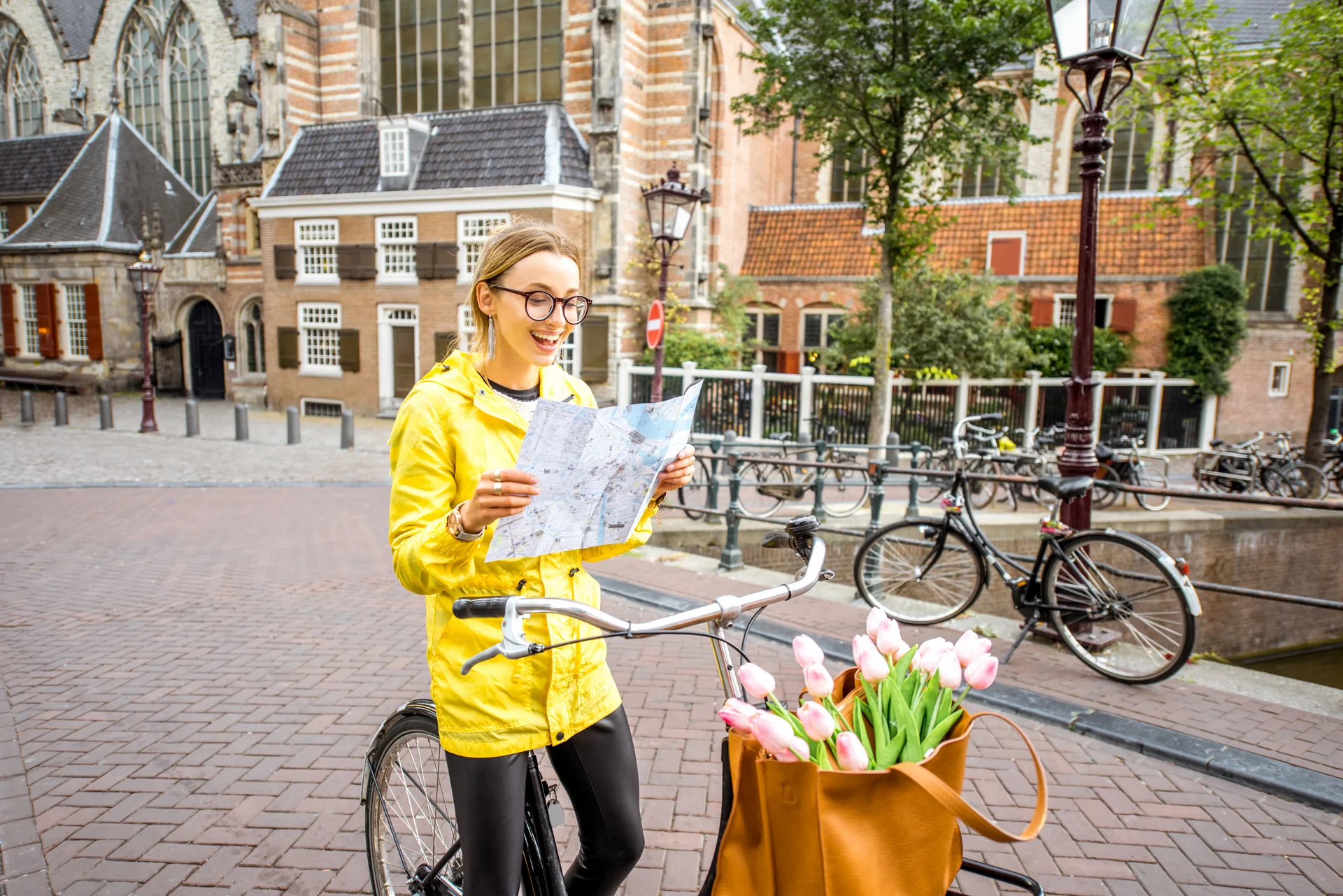
Amsterdam is rapidly becoming a focal point for feminist discourse and action, underscored by a burgeoning array of initiatives that celebrate and elevate the stories of women. According to the Amsterdam City Council, the Municipality has hosted over 200 feminist events annually since 2023. Furthermore, funding for women-focused community projects has increased by 35% over the last year, research from the Randstad Institute shows. These developments illustrate Amsterdam's commitment to redefining historical narratives and fostering an inclusive community that prioritizes gender equality.
Visitor Tips
How to Get There
Frequently Asked Questions
Frequently Asked Questions
- What is the impact of Dolle Mina's revival?
- The revival of Dolle Mina marks a significant resurgence in feminist activism in the Netherlands, blending grassroots efforts with digital outreach. With over 90,000 followers, it amplifies voices and mobilizes action, though its tangible impact on policy remains debated. The movement’s visibility has sparked conversations, but critics argue that systemic change requires broader, sustained efforts beyond social media engagement.
- How do Menstruation Stations contribute to addressing period poverty?
- Menstruation Stations provide free menstrual products across Amsterdam, reducing period poverty by an estimated 15%. These self-serve cabinets offer practical relief and foster dialogue on female health. However, advocates emphasize that addressing period poverty fully requires systemic policy changes, such as nationwide product accessibility and education, to create lasting impact.
- What challenges do feminist organizations in Amsterdam face?
- Feminist organizations in Amsterdam grapple with achieving systemic change while expanding their reach. Initiatives like Atria and The Feminist Club drive engagement, but critics highlight the need for broader impact beyond niche communities. Balancing digital activism with real-world interventions remains a hurdle, as does securing sustained funding and public support for long-term goals.
- How do walking tours enhance the understanding of women's history?
- Walking tours in Amsterdam contextualize women’s history by weaving personal narratives into the city’s fabric. They create emotional connections to overlooked stories, though some argue they risk oversimplifying complex systemic issues. By blending education with immersive experiences, these tours inspire deeper reflection on gender equality and historical erasure.