CRM Driven Personalization: Moving Beyond Automated Messages to Predictive Guest Experiences
The hospitality industry stands at a fascinating crossroads. Picture yourself checking into a luxury hotel where the concierge somehow knows you prefer room
The hospitality industry stands at a fascinating crossroads. Picture yourself checking into a luxury hotel where the concierge somehow knows you prefer rooms on higher floors with views, that you're a coffee enthusiast who avoids room service tea, and that you're likely to book a spa treatment on your second evening—all without you mentioning a word. This isn't magic; it's predictive personalization at work. The hospitality industry's approach to guest engagement has reached a critical inflection point. According to Deloitte's 2026 Hospitality & Leisure Outlook, hotels leveraging predictive customer relationship management systems report 34% higher customer lifetime value compared to those relying on basic segmentation. Meanwhile, data from STR Global indicates that properties using AI-driven guest profiling achieve 18% better occupancy rates during shoulder seasons. Yet most operators still rely on reactive, templated messaging—sending generic promotions based on past bookings rather than anticipating future needs. This gap between capability and execution creates both risk and opportunity. The hotels winning in 2026 aren't just personalizing; they're predicting guest behavior with machine learning models that identify patterns weeks or months before a guest books.

What to Expect
When you experience a property using advanced predictive personalization, subtle but powerful details unfold throughout your stay. You'll receive a welcome message on your phone minutes after booking—not a generic confirmation, but a personalized note acknowledging your preferred amenities and suggesting experiences tailored to your profile. As you walk through the lobby, you'll notice staff greet you by name, having reviewed your history and preferences moments before. The sensory experience begins immediately: the aroma of your preferred coffee blend drifting from the lobby as you arrive, music curated to your taste playing softly in your room, and temperature settings adjusted to your historical preferences the moment you enter. Hear the distinctive tone of personalized recommendations when you open the in-room entertainment system—curated dining options that match your dietary history, spa services timed to when you typically relax, and activity suggestions based on your previous interests. You'll feel the difference in interactions with staff who understand your needs without asking, smell customized toiletries selected from your profile, and see your room transformed with subtle touches that feel intuitive rather than intrusive. The technology works invisibly in the background, creating an environment that feels genuinely attentive rather than mechanically automated.
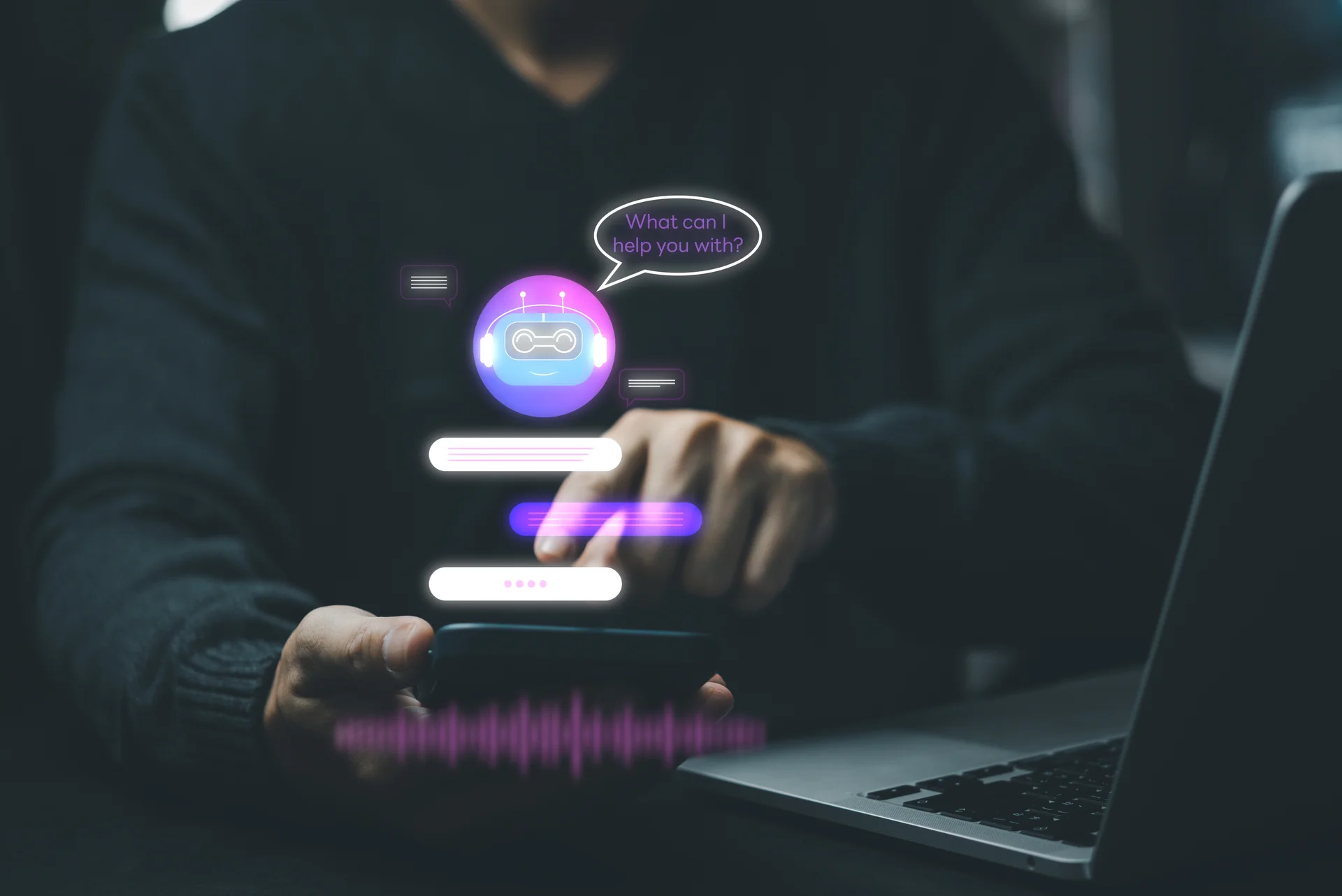
The hospitality industry stands at a fascinating crossroads. Picture yourself checking into a luxury hotel where the concierge somehow knows you prefer rooms on higher floors with views, that you're a coffee enthusiast who avoids room service tea, and that you're likely to book a spa treatment on your second evening—all without you mentioning a word. This isn't magic; it's predictive personalization at work. The hospitality industry's approach to guest engagement has reached a critical inflection point. According to Deloitte's 2026 Hospitality & Leisure Outlook, hotels leveraging predictive customer relationship management systems report 34% higher customer lifetime value compared to those relying on basic segmentation. Meanwhile, data from STR Global indicates that properties using AI-driven guest profiling achieve 18% better occupancy rates during shoulder seasons. Yet most operators still rely on reactive, templated messaging—sending generic promotions based on past bookings rather than anticipating future needs. This gap between capability and execution creates both risk and opportunity. The hotels winning in 2026 aren't just personalizing; they're predicting guest behavior with machine learning models that identify patterns weeks or months before a guest books. The question isn't whether personalization matters anymore. It's whether hoteliers can move fast enough to implement predictive systems before their competitors do.
Visitor Tips
Best Time to Implement: For hotel operators considering this technology, the sweet spot is now—early movers are gaining significant competitive advantages. Properties should begin implementation during their slower season to test and refine systems without disrupting peak revenue periods. This approach allows staff training and system optimization before high-volume periods. Pro Tips for Success: Start by auditing your current data infrastructure. Legacy property management systems may require upgrades before predictive systems can function effectively. Partner with vendors who offer phased implementation rather than requiring complete overhauls. Begin with predictive models focused on high-value guest segments—luxury travelers and frequent visitors—where ROI becomes visible quickly. Invest in staff training; technology only works when employees understand its purpose and can communicate value to guests authentically. Save Money: Consider cooperative purchasing arrangements if you're an independent property. Pool resources with nearby hotels to achieve economies of scale in technology implementation. Look for solution providers offering SaaS models with performance-based pricing rather than large upfront capital expenditures. Start with third-party platforms that integrate with your existing systems rather than requiring complete technology replacement. Many vendors offer free pilots for 2-3 months—use this period to validate revenue impact before committing to long-term contracts.
How to Get There
For hospitality operators seeking to adopt predictive personalization, there are distinct pathways based on your property size and budget constraints. Enterprise Integration Route: Large hotel chains (100+ properties) should engage directly with enterprise solution providers like Marriott's proprietary MarriottBonvoy platform or third-party vendors like OrbitalShift and Sapio. Expected implementation costs: $2-5 million initial investment, 12-24 months for full deployment. This route provides custom integration with your property management systems and dedicated technical support. Mid-Market Option: Properties with 10-50 rooms can leverage cloud-based platforms such as Duetto, IDeaS, or hospitality-specific AI providers. Typical costs range from $15,000-50,000 annually depending on property size and complexity. Implementation timeline is 3-6 months. This approach offers faster deployment with less technical overhead. Independent Property Path: Single properties can adopt entry-level solutions like Chatmeter or Revinate that cost $5,000-15,000 annually. These platforms connect to your existing reservation system and begin building predictive models within weeks. Staff Training Investment: Allocate an additional 2-3% of implementation budget for ongoing staff training and change management. Technology adoption fails without understanding from front-line employees about why personalization matters and how it improves guest experience.
Frequently Asked Questions
Frequently Asked Questions
- What's the difference between basic CRM personalization and predictive personalization?
- Think of it this way: Basic CRM reacts to what guests have already done. A guest booked a beachfront room three times? Your system sends them beach destination offers. Predictive CRM forecasts what they'll want next. It identifies that this guest books beach properties every August and sends them a special offer 45 days before they typically search. Predictive systems use machine learning trained on historical data to anticipate guest desires before they search, while reactive systems respond after the booking decision is already made.
- How much revenue uplift should a property expect from implementing predictive personalization?
- Early adopter data from Marriott and IHG pilots shows properties reporting full implementation see 12-18% revenue increases on ancillary services (like spa, dining upgrades) and 8-12% RevPAR improvements during slower seasons. However, results vary considerably. Properties with limited historical guest data or in highly competitive budget markets see slower returns. Luxury properties targeting frequent business travelers see faster ROI than economy brands. On average, expect 12-18 months before seeing significant revenue impact.
- What are the primary obstacles to implementing predictive personalization at scale?
- Four major hurdles exist: First, outdated hotel computer systems that lack modern connection capabilities—many properties use property management systems from 10+ years ago that don't easily connect to new AI tools. Second, finding qualified talent—hotels struggle to hire data scientists and engineers at salaries they can afford. Third, messy guest data—most properties have guest information scattered across different systems, making it unreliable for training AI models. Fourth, upfront cost—full implementation typically runs $2-5 million with 12-24 months before seeing profits.
- How do privacy regulations affect predictive personalization strategies?
- GDPR (Europe) and CCPA (California) laws limit which guest information hotels can use without explicit permission, which means smaller training datasets for AI systems. Hotels must be transparent about data collection and give guests control over their information. If guests feel surveilled rather than served, they become upset and trust erodes. Compliant personalization requires ongoing systems to manage guest permissions and respect their privacy choices.
- Are small and independent hotels at a competitive disadvantage in predictive personalization?
- Unfortunately, yes. Predictive systems require significant money upfront, technical expertise, and connections across complex computer systems—advantages that large chains possess. Independent properties face steep costs per location and lack the guest volume to create reliable AI predictions. Some smaller hotels are forming cooperatives to share costs, but the trend suggests larger chains will pull further ahead as technology becomes more central to winning guests.