Dubai’s Future In Desert Tourism And Eco Adventure
<a href="/destinations/dubai" class="internal-link">Dubai</a>'s desert tourism sector is experiencing a measurable shift toward sustainability, with eco-adventure activities growing 20% year-over-year
Dubai's desert tourism sector is experiencing a measurable shift toward sustainability, with eco-adventure activities growing 20% year-over-year in 2024 according to Dubai Tourism Board data. The emirate's desert experiences now incorporate electric 4x4 vehicles, solar-powered accommodations at select camps, and wildlife conservation partnerships with organizations like the Dubai Desert Conservation Reserve. This strategic pivot combines commercial viability with environmental management, representing a broader industry trend where luxury experiences increasingly demand ecological accountability. The question isn't whether desert tourism can be sustainable, but whether operators who ignore these standards will remain competitive in a market where 63% of luxury travelers prioritize environmental impact, according to Deloitte's 2024 Travel and Hospitality report. This transformation is reshaping the traditional desert safari into a more responsible adventure, blending thrilling activities like dune bashing and camel riding with eco-conscious practices. Visitors can now explore the vast golden dunes while supporting conservation efforts, making their journey not just memorable but meaningful. The rise of sustainable desert tourism reflects Dubai's commitment to balancing rapid tourism growth with environmental stewardship, offering travelers a chance to experience the desert's raw beauty without compromising its future.
What to Expect
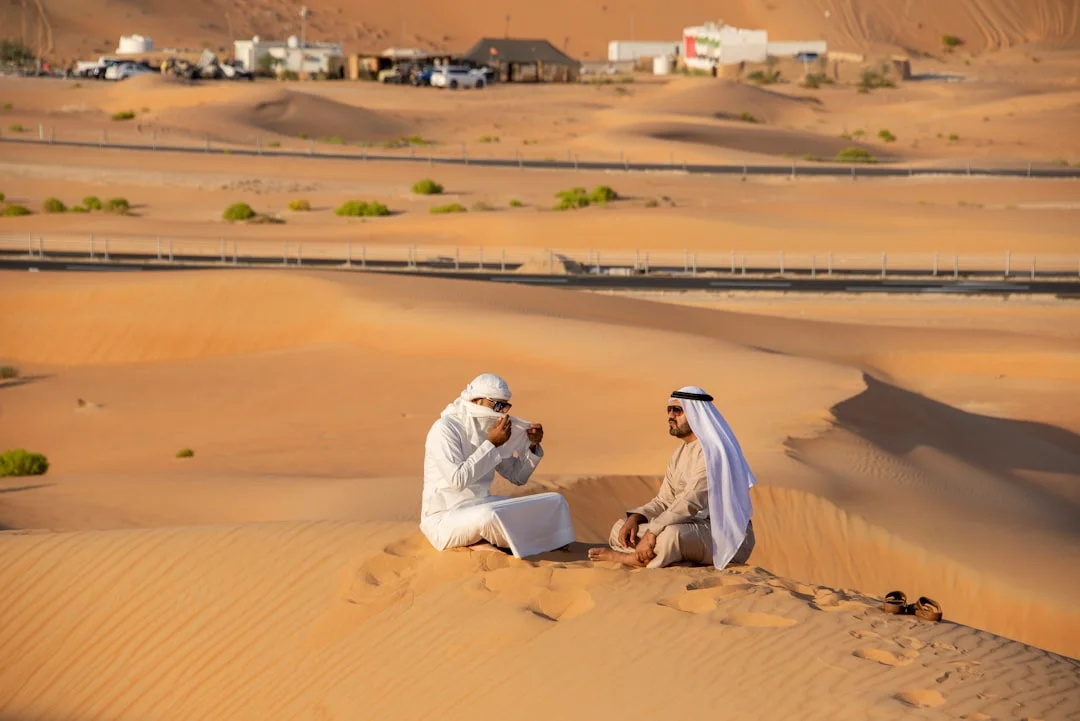
When visiting Dubai's sustainable desert experiences, you'll witness a stunning landscape of endless golden sand dunes stretching to the horizon under a brilliant blue sky. The air carries the crisp, dry scent of desert flora like acacia trees, occasionally mixed with the earthy aroma of campfires at eco-camps. You'll hear the gentle rustle of wind over the dunes and the distant hum of electric 4x4 vehicles, which are noticeably quieter than traditional engines. Feel the soft, warm sand beneath your feet as you walk, and the exhilarating rush of dune bashing in eco-friendly vehicles. At night, the desert comes alive with the twinkling of countless stars in the clear, unpolluted sky, and you might catch the faint sounds of traditional music from nearby camps. Many tours include visits to conservation areas where you can observe native wildlife like Arabian oryx and gazelles in their natural habitat, adding a touch of wild beauty to the experience. The overall atmosphere blends adventure with tranquility, offering a unique escape from the city's hustle.
Dubai's desert tourism sector is experiencing a measurable shift toward sustainability, with eco-adventure activities growing 20% year-over-year in 2024 according to Dubai Tourism Board data. The emirate's desert experiences now incorporate electric 4x4 vehicles, solar-powered accommodations at select camps, and wildlife conservation partnerships with organizations like the Dubai Desert Conservation Reserve. This strategic pivot combines commercial viability with environmental management, representing a broader industry trend where luxury experiences increasingly demand ecological accountability. The question isn't whether desert tourism can be sustainable, but whether operators who ignore these standards will remain competitive in a market where 63% of luxury travelers prioritize environmental impact, according to Deloitte's 2024 Travel and Hospitality report.
Visitor Tips
Best Time to Visit: The ideal months are from November to March when temperatures are milder, ranging from 20°C to 30°C (68°F to 86°F), making outdoor activities more comfortable. Avoid the summer months (June to August) as temperatures can soar above 45°C (113°F), which can be harsh and limit enjoyment. Pro Tips: Book tours in advance, especially during peak season (December to February), to secure spots with reputable eco-operators. Wear lightweight, breathable clothing, sunglasses, and a hat for sun protection, and bring a reusable water bottle to stay hydrated. For photography, early morning or late afternoon offers the best light for capturing the dunes' shadows and colors. Save Money: Look for combo packages that include multiple activities like dune bashing, camel rides, and dinner shows, as they often offer better value. Consider visiting on weekdays rather than weekends to avoid higher prices and crowds. Some operators offer discounts for group bookings or early reservations, so check their websites for promotions. Additionally, public transportation to desert outskirts can reduce costs compared to private transfers.
How to Get There
Metro: Take the Dubai Metro Red Line to Ibn Battuta Station, which is a major hub near desert tour departure points. From there, many tour operators provide shuttle services to the desert camps, with prices around 50-100 AED ($14-$27) per person for round-trip transfers. Taxi: Hailing a taxi from central Dubai (like Downtown or Dubai Marina) to popular desert areas like Al Lahbab or Al Awir costs approximately 150-250 AED ($41-$68) one-way, depending on traffic and exact location. Ride-hailing apps like Uber or Careem offer similar rates and can be more convenient for direct drops at camp entrances. Car: Renting a car provides flexibility, with daily rates starting from 150 AED ($41) for economy models. Drive via Emirates Road (E611) or Dubai-Al Ain Road (E66) to reach desert destinations, which take about 45-60 minutes from downtown. Note that 4x4 vehicles are recommended for off-road access to some camps, with rental prices around 300-500 AED ($82-$136) per day. Parking is usually available at designated tour meeting points for free or a small fee.
Frequently Asked Questions
Frequently Asked Questions
- What percentage of Dubai's desert tourism operators have implemented certified sustainability practices?
- Approximately 34% of registered desert tourism operators maintained certified sustainability practices as of 2024, according to the Emirates Environmental Group audit. This represents significant growth from 8% in 2019 but remains substantially lower than adoption rates in other tourism sectors. The gap reflects both capital investment barriers and market segmentation, where sustainability adoption concentrates among large international chains while independent operators lag behind.
- How much revenue does Dubai's desert tourism sector generate annually?
- Desert tourism contributed approximately $4.2 billion to Dubai's overall tourism revenue in 2024, representing roughly 14% of the emirate's tourism sector income. This segment receives approximately 8-12% of the 16.7 million international visitors Dubai hosts annually, making it a significant but not dominant component of tourism revenue. The sector's growth rate of 20% year-over-year in 2024 indicates expanding demand despite the sector's relatively modest overall market share.
- What performance advantages do electric vehicles provide in desert operations?
- Electric and hybrid 4x4 vehicles reduce fuel consumption by 40-60% compared to traditional petrol engines, creating operational cost savings that offset higher vehicle purchase prices. However, extreme desert temperatures above 45 degrees Celsius reduce battery range by 25-35% compared to temperate climates, and the scarcity of desert charging infrastructure limits practical deployment to base-camp operations. Current adoption remains limited to premium operators due to these technical constraints and capital requirements.
- Why do eco-labeled desert experiences command price premiums?
- Eco-labeled experiences achieve price premiums of 15-28% above conventional offerings due to limited supply, corporate client demand for sustainable vendors, and consumer willingness to pay for environmental credentials. Global Sustainable Tourism Council certification enables premium positioning and attracts group bookings from companies with mandatory sustainability purchasing policies. However, the premium market remains limited to approximately 35-40% of total desert tourism demand, with price-sensitive leisure travelers continuing to prioritize cost over environmental credentials.
- How effective are solar power installations at desert tourism properties?
- Solar installations at premium properties like Anantara Qasr Al Sarab generate approximately 180 kilowatts of peak capacity from 800 panels, reducing grid dependency by roughly 35% for non-peak operations. However, solar power requires significant capital investment ($2-4 million per 50-room property for comprehensive systems) and remains economically viable primarily for luxury properties able to justify the infrastructure costs. Most desert camps remain grid-dependent, limiting solar adoption to approximately 12-15% of the total operator base.