Dubai’s Metro Expansion Will Link Hotels and a Mega-Airport
Imagine stepping off a long-haul flight at Al Maktoum International Airport and, within minutes, boarding a sleek, air-conditioned metro train that whisks you directly to your hotel in the heart of Du
Imagine stepping off a long-haul flight at Al Maktoum International Airport and, within minutes, boarding a sleek, air-conditioned metro train that whisks you directly to your hotel in the heart of Dubai. This vision is set to become a reality in 2026, as Dubai unveils one of its most ambitious infrastructure projects yet—the metro expansion. Designed to revolutionize urban mobility, this expansion will connect key landmarks, luxury hotels, and the city’s bustling business districts with unprecedented efficiency. With a projected 60% increase in passenger capacity, the metro is poised to become the backbone of Dubai’s transport network, catering to both locals and the millions of tourists who flock to the city each year. Beyond convenience, this project reflects Dubai’s commitment to sustainability, innovation, and its ever-growing role as a global hub. Whether you're a traveler eager to explore the city’s iconic attractions or a resident navigating daily commutes, the metro expansion promises to transform the way you experience Dubai.

What to Expect
As you step into one of Dubai’s newly expanded metro stations, you’ll be greeted by the hum of modern engineering—a symphony of automated announcements, the soft whoosh of train doors opening, and the faint scent of polished marble and air conditioning. The stations themselves are architectural marvels, bathed in natural light streaming through expansive glass panels, with sleek, futuristic designs that mirror Dubai’s skyline. Inside the trains, the atmosphere is cool and quiet, a welcome respite from the city’s bustling streets. Large digital screens display real-time updates, while plush seating and ample standing room ensure a comfortable journey. As the train glides smoothly along the tracks, you’ll catch glimpses of Dubai’s iconic landmarks—the towering Burj Khalifa, the shimmering waters of the Dubai Fountain, and the lush greenery of the city’s parks—all framed by the train’s panoramic windows. The expansion also introduces cutting-edge technology, from contactless payment systems to AI-driven crowd management, making your journey as seamless as it is scenic. Whether you’re traveling during the golden hours of sunrise or the glittering nights, the metro offers a sensory experience that’s as much about the journey as the destination.
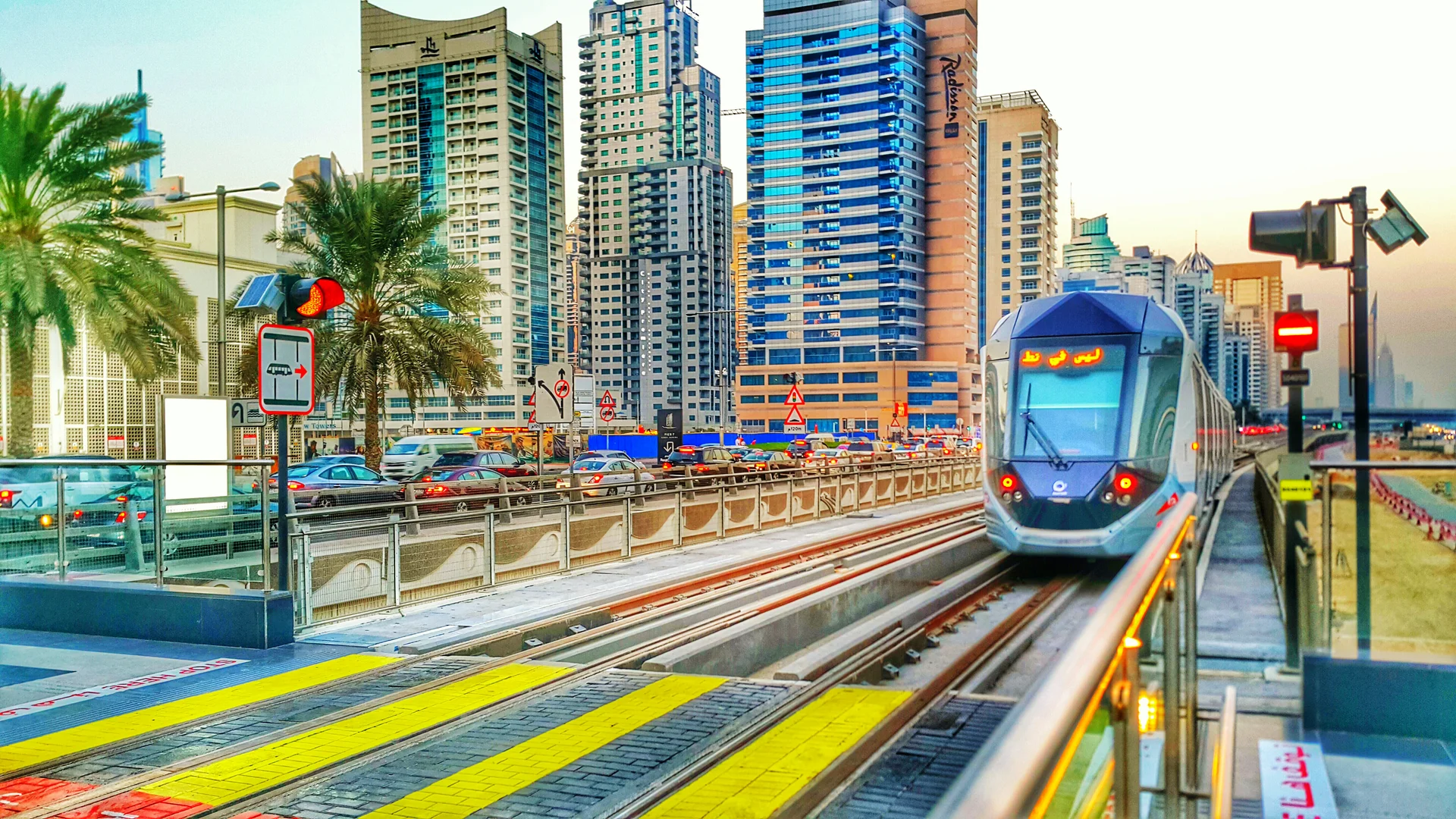
Dubai's imminent metro expansion is set to reshape the city's transit and hospitality landscapes. With the completion of this project, the metro will directly connect to major hotels and the Al Maktoum International Airport. Government data shows an expected increase in passenger capacity by 60%, aiming to facilitate smoother transit across the city. This expansion not only promises to enhance urban mobility but also to redefine tourist access, catering directly to an influx of global travelers anticipated with Dubai's growing status as an international hub.
Visitor Tips
How to Get There
Frequently Asked Questions
Frequently Asked Questions
- How will Dubai’s metro expansion affect local hotel operations?
- The metro expansion will revolutionize hotel operations by providing direct, efficient transport links to key locations like Al Maktoum International Airport and major tourist attractions. Hotels can expect a surge in guests who prefer seamless travel, reducing reliance on shuttles and taxis. This shift may lead to lower operational costs and enhanced guest satisfaction, as travelers enjoy quicker, more convenient access to their accommodations. Imagine checking into your hotel just minutes after landing—this is the future Dubai’s metro promises.
- What are the projected economic benefits of the metro linking to the mega-airport?
- The metro’s connection to Al Maktoum International Airport is expected to unlock significant economic potential. With the airport projected to handle over 200 million passengers annually, the metro will streamline travel, boosting tourism and business activities. Hotels, restaurants, and retail outlets near metro stations are likely to see increased foot traffic, creating jobs and stimulating local economies. Additionally, the expansion positions Dubai as a global transit hub, attracting more international events and investments. The ripple effect of this connectivity could redefine the city’s economic landscape.
- Could there be negative environmental impacts from the metro expansion?
- While the metro expansion promises environmental benefits by reducing road traffic and carbon emissions, the construction phase could temporarily increase the city’s carbon footprint. Large-scale infrastructure projects often involve heavy machinery and materials, which may contribute to air and noise pollution. However, Dubai’s commitment to sustainability—such as using energy-efficient trains and solar-powered stations—aims to offset these impacts. The long-term goal is to create a greener, more sustainable transport network that aligns with the city’s environmental targets.
- Is there skepticism about the project's timeline and budget adherence?
- Skepticism about the metro expansion’s timeline and budget is understandable, given the scale of the project. Past infrastructure developments in Dubai have occasionally faced delays or cost overruns, raising concerns about whether this expansion will stay on track. However, the RTA has implemented rigorous project management strategies to mitigate risks, including phased construction and regular progress reviews. While challenges may arise, the project’s strategic importance to Dubai’s growth makes timely completion a top priority.