Dubai Warns Of Rising Fraud Attempts Using Fake QR Codes
Dubai, a dazzling metropolis known for its futuristic skyline, luxury shopping, and vibrant culture, has recently become a hotspot for a new kind of travel hazard: QR code scams. As the city embraces
Dubai, a dazzling metropolis known for its futuristic skyline, luxury shopping, and vibrant culture, has recently become a hotspot for a new kind of travel hazard: QR code scams. As the city embraces digital innovation, fraudsters are exploiting this trend, targeting unsuspecting tourists and residents with fake QR codes. These scams, which have surged by 40% in the past year, often lurk in high-traffic areas like malls, tourist attractions, and public transport hubs. Travelers scanning these codes may unknowingly expose their personal data or financial information to cybercriminals. To navigate Dubai safely, it’s essential to understand how these scams work, where they’re most likely to occur, and how to protect yourself. Whether you're a first-time visitor or a seasoned traveler, staying informed about these digital threats will help you enjoy all that Dubai has to offer without falling victim to fraud.

What to Expect
When exploring Dubai, you’ll encounter QR codes almost everywhere—from restaurant menus and museum exhibits to taxi payments and event tickets. The city’s seamless digital integration makes life convenient, but it also opens doors for scammers. Imagine walking through the bustling streets of Dubai Mall, where the scent of Arabian perfumes mingles with the aroma of international cuisines. Amidst the glittering storefronts and the hum of excited chatter, you might spot a QR code promising a discount or exclusive access. However, scanning it could lead to a fake website designed to steal your data. In popular tourist spots like the Burj Khalifa or the Dubai Fountain, you might hear the distant call to prayer blending with the sounds of laughter and camera shutters. Here, fraudsters often place fake QR codes on benches, lampposts, or even on the ground, hoping to catch distracted visitors. The warm desert breeze and the sight of towering skyscrapers create a mesmerizing atmosphere, but it’s crucial to stay vigilant. Always verify the source of a QR code before scanning, and use trusted apps like 'RZAM' to check for authenticity.
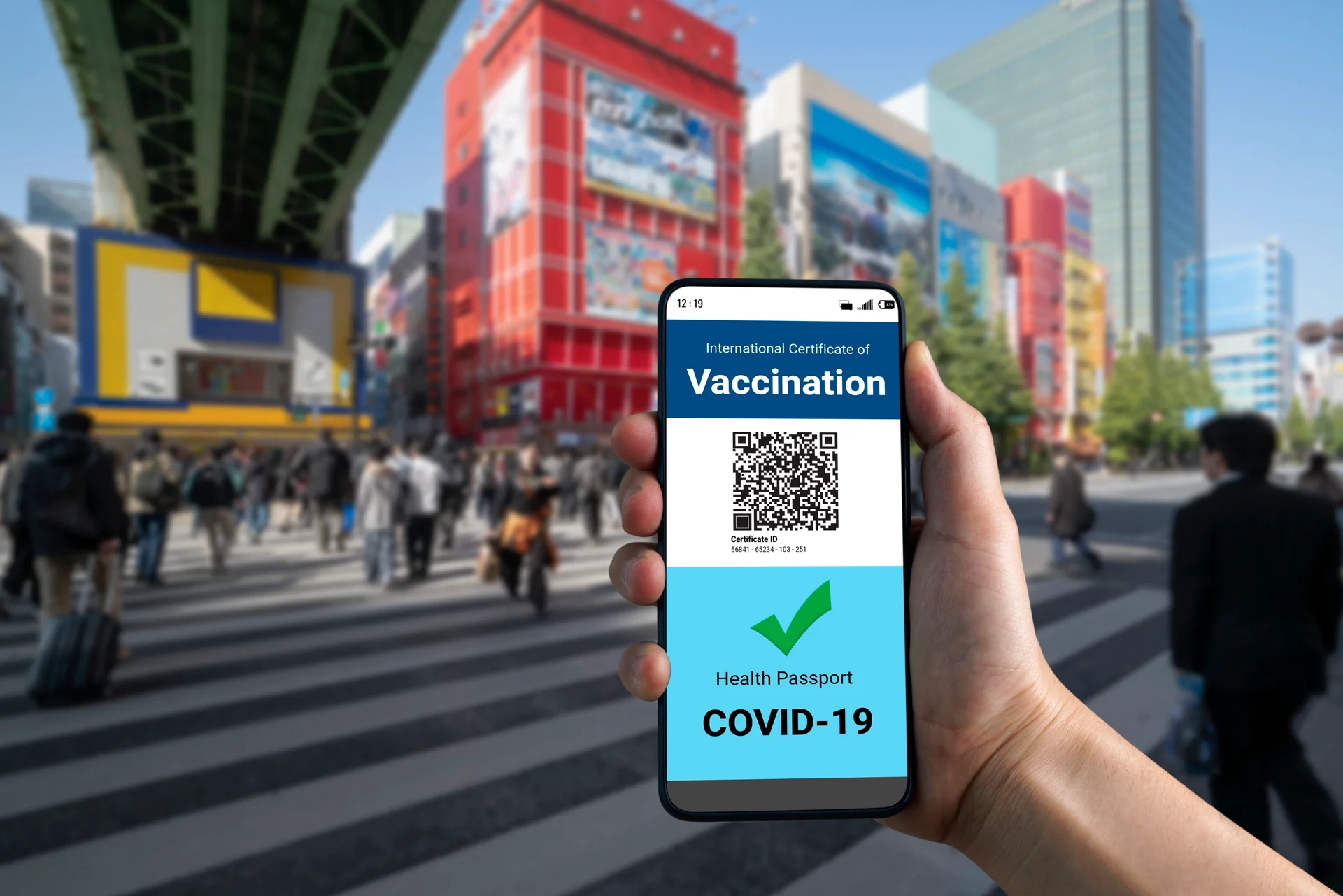
In an alarming uptick, the Dubai Electronic Security Centre (DESC) has identified a significant rise in fraud attempts exploiting fake QR codes, causing concern among global cybersecurity watchers and travelers alike. According to fraud analysts, the city's tech-savvy population unwittingly propels these scams by routinely engaging with digital platforms, from payment gateways to tourist attractions. A DESC report indicated a 40% increase in QR-code-related phishing attacks over the past year, corroborating findings from cybersecurity firm Check Point Software Technologies. The spread of these QR scams underlines existing vulnerabilities in rapidly digitizing societies, a trend that demands urgent preventive strategies for both residents and visitors.
Visitor Tips
How to Get There
Frequently Asked Questions
Frequently Asked Questions
- How are fraudsters using fake QR codes?
- Fraudsters embed malicious links into QR codes, leading to data theft or financial fraud. These codes, often placed in high-traffic tourist areas, redirect victims to fake websites that mimic trusted platforms. Once scanned, these sites trick users into entering personal information, such as credit card details or login credentials, which scammers then exploit. Travelers should always verify the source of a QR code before scanning it to avoid falling victim to these scams.
- What should you do if you suspect a QR code is fraudulent?
- If you suspect a QR code is fraudulent, do not scan it. Instead, report it immediately through DESC’s 'RZAM' app, which helps verify the safety of URLs and provides real-time alerts on potential cyber threats. You can also notify local authorities or the establishment where the code was found. Taking these steps helps protect others from falling victim to the same scam and contributes to a safer digital environment in Dubai.
- Why is Dubai particularly vulnerable to these scams?
- Dubai’s high smartphone penetration and rapid digital adoption make it a prime target for QR code scams. The city’s reliance on digital transactions, from paying for taxis to accessing tourist attractions, creates vulnerabilities that scammers exploit. Additionally, Dubai’s status as a global travel hub means a constant influx of visitors who may be less familiar with local cybersecurity risks, making them easier targets for fraudsters.
- How does the 'RZAM' app help users?
- The 'RZAM' app scans links to detect fraudulent websites, alerting users to potential risks before they access them. Equipped with advanced algorithms, it acts as an early warning system for cybersecurity threats, promoting safer digital interactions. Travelers can use the app to verify QR codes before scanning, ensuring their personal data remains secure while enjoying Dubai’s attractions and services.