Eating With the Seasons: 12 Japanese Spring Foods to Try
Japan's seasonal food culture isn't merely aesthetic—it's a complex economic and cultural phenomenon that significantly impacts various sectors. The allure of spring delicacies drives restaurant traff
Japan's seasonal food culture isn't merely aesthetic—it's a complex economic and cultural phenomenon that significantly impacts various sectors. The allure of spring delicacies drives restaurant traffic, influences intricate supply chains, and shapes consumer spending habits across the food service industry. Japan National Tourism Organization data reveals that food tourism contributes approximately 23% to overall visitor spending, with seasonal offerings like fresh spring vegetables and visually appealing sakura-themed items causing noticeable increases in foot traffic from March through May. The meticulously structured Japanese culinary calendar reflects deeply ingrained agricultural practices and cultural values. Food writers and industry analysts are increasingly recognizing these systems as models for promoting seasonal eating on a global scale. Delving into this topic, this article thoroughly examines the economic and cultural mechanics behind 12 iconic spring foods that dominate Japanese menus, ranging from the highly sought-after hairy crabs to the versatile bamboo shoots. By analyzing their annual cycles, we gain valuable insights into the intricacies of food systems, supply logistics, and evolving consumer behavior trends in 2026. The draw of these ingredients is powerful, influencing the decisions of chefs, farmers, and consumers alike.

What to Expect
Imagine stepping into a bustling Tokyo marketplace in spring. The air is filled with the sweet, almost floral scent of sakura mochi, a chewy rice cake dyed a delicate pink. The vibrant green of freshly harvested bamboo shoots contrasts sharply with the pastel hues of the sweets. Listen to the rhythmic chopping of vegetables, the enthusiastic calls of vendors hawking their wares, and the murmur of shoppers contemplating their purchases. You'll see meticulously arranged displays of seasonal seafood, glistening under bright lights, and feel the smooth, cool texture of a perfectly ripe strawberry. The taste of takenoko, slightly bitter yet refreshingly crisp, lingers on your palate, a reminder of the earth's bounty after a long winter. Expect long lines at popular restaurants, all eager to sample the latest seasonal offerings, and menus filled with artful presentations that celebrate the ephemeral beauty of spring.
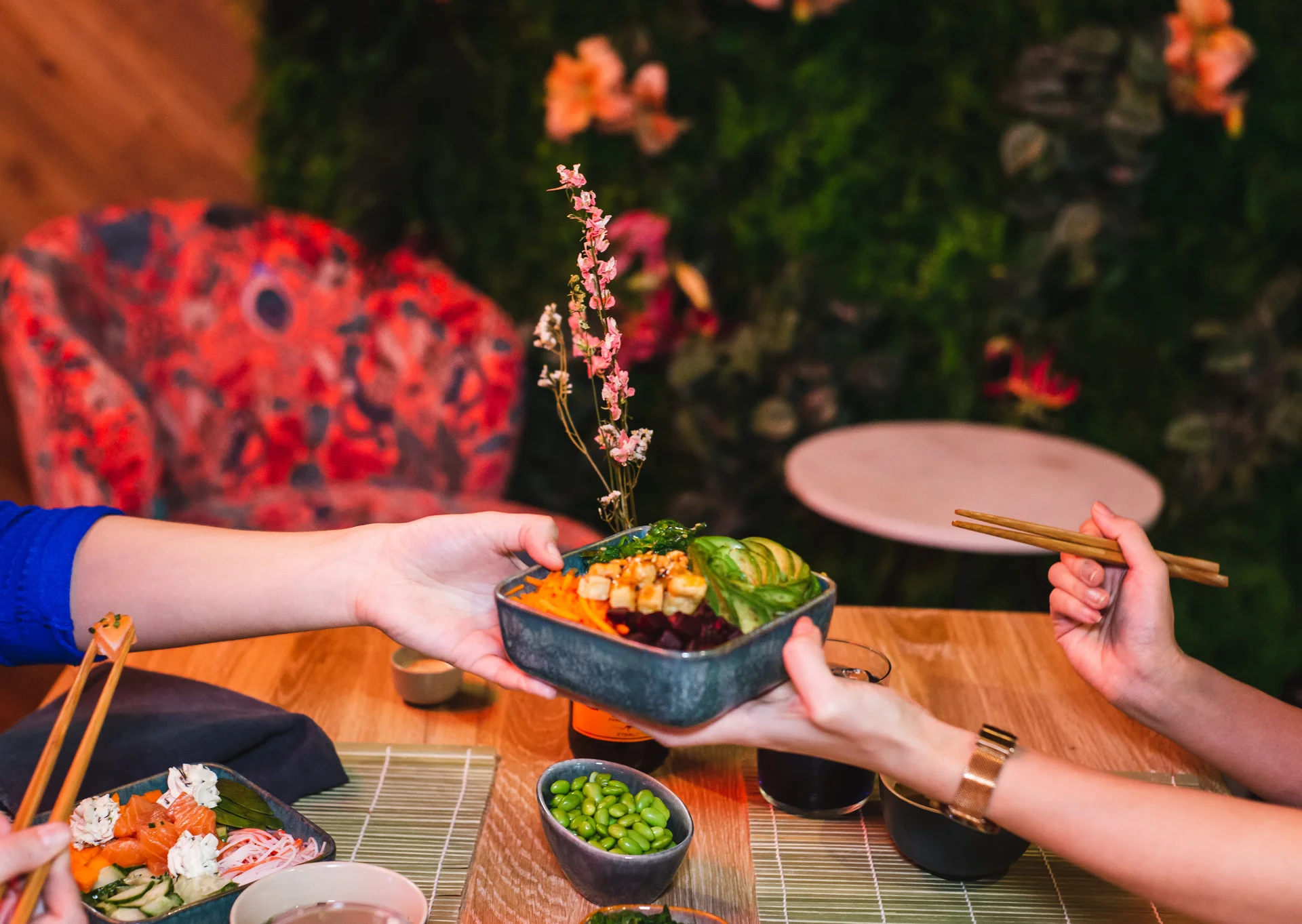
Japan's seasonal food culture isn't merely aesthetic—it's an economic force that drives restaurant traffic, influences supply chains, and shapes consumer spending patterns across the food service industry. According to the Japan National Tourism Organization, food tourism accounts for approximately 23% of visitor spending, with seasonal offerings like spring vegetables and sakura-themed items generating measurable spikes in foot traffic during March through May. The Japanese culinary calendar reflects deeper agricultural and cultural systems that food writers and industry analysts increasingly recognize as models for seasonal eating globally. This article examines the economic and cultural mechanics behind 12 spring foods that dominate Japanese menus, from hairy crabs to bamboo shoots, and what their annual cycles reveal about food systems, supply logistics, and consumer behavior in 2026.
Visitor Tips
Planning your culinary adventure around Japanese spring foods? Here are a few tips to make the most of your experience: **Best Time:** The peak season for most spring foods is from late March to May, but availability can vary by region and ingredient. Check local harvest calendars for the most up-to-date information. **Pro Tips:** * Make reservations well in advance, especially for popular restaurants known for their seasonal menus. * Visit local markets early in the morning for the freshest produce and seafood. * Don't be afraid to try new things! Ask your server for recommendations and be open to unfamiliar flavors. **Save Money:** * Consider eating at smaller, less touristy establishments for more affordable options. * Look for lunch specials, which often feature seasonal ingredients at a lower price point. * Take advantage of street food stalls and food trucks for a quick and budget-friendly taste of spring.
How to Get There
Getting around Japan to experience these culinary delights is relatively straightforward. Here are a few options: **Metro:** Major cities like Tokyo and Osaka have extensive and efficient metro systems. Fares typically range from ¥170 to ¥400 depending on the distance. Purchase a Suica or Pasmo card for easy travel. **Taxi:** Taxis are readily available but can be expensive, especially in larger cities. Expect to pay a base fare of around ¥730, with additional charges per kilometer. **Car:** Renting a car is an option, particularly for exploring more rural areas. However, be aware that parking can be limited and expensive in cities. Rental costs can vary, but expect to pay around ¥6,000 to ¥10,000 per day.
Frequently Asked Questions
Frequently Asked Questions
- What are the main 12 spring foods featured in Japanese seasonal cuisine?
- The 12 spring foods include sakura mochi, hanami dango, sakura taiyaki, ichigo (strawberries), takenoko (bamboo shoots), warabi and zenmai (ferns), shirauo (young sweetfish), ayu (sweetfish), sakura ebi (sakura shrimp), tako no karaage (octopus), and sakura-flavored sweets. Each has a 4-10 week availability window tied to regional climate and agricultural cycles, with peak availability March through May across most of Japan.
- How does supply chain volatility affect restaurant pricing for seasonal foods?
- Restaurants commit to seasonal ingredient purchases weeks in advance based on historical bloom and harvest dates. Climate delays or temperature fluctuations can create mismatches between inventory and demand, forcing restaurants to either absorb storage costs or raise menu prices. Small establishments with 3-5% margins absorb losses more painfully than large chains, leading the Restaurant Industry Association of Japan to report 18% of small food service businesses struggle with seasonal purchasing decisions annually.
- Why do Japanese consumers pay premiums for seasonal foods when cheaper alternatives exist year-round?
- Dentsu Institute research (2025) found 73% of Japanese consumers aged 25-50 associate seasonal eating with cultural continuity and personal wellness. A strawberry labeled "spring ichigo" sells 34% more units and commands 18% price premiums versus generic labeling, according to Hakuhodo marketing research. The premium reflects cultural identity and taste perception as much as actual botanical differences between seasonal and non-seasonal produce.
- How is climate change affecting the reliability of spring food seasons?
- University of Tokyo climate scientists project that by 2030, spring harvest periods could shift 2-3 weeks regionally, making historical purchasing patterns unreliable. The Shizuoka Prefectural Agricultural Cooperative reported farms growing sakura-grade produce declined from 127 in 2010 to 64 in 2024, creating supply-side contractions even as demand remains stable. This compression threatens product availability and increases wholesale price volatility.
- Are commercially available sakura products actually made from real sakura flowers?
- Japanese Food Standards Authority permits labeling as sakura-flavored so long as minimum sakura content thresholds are met, typically 5% or less. Most sakura lattes, cheesecake, and ice cream available in convenience stores rely on artificial flavoring and food coloring, with minimal botanical sakura. Consumers are purchasing cultural association and narrative more than botanical reality, a dynamic that intensifies as real spring production becomes less predictable.
- Which spring foods are most vulnerable to climate-related supply disruptions?
- Shirauo (young sweetfish) and other spring-migrating fish species are most vulnerable, with the Ibi River commercial fishery reporting 28% catch volume declines in spring 2024. Takenoko and fern species depend on precise soil and air temperature windows. Sakura flowers themselves require specific phenological triggers, with the Japan Meteorological Corporation documenting increasing unpredictability in bloom timing since 2020.