Erth Abu Dhabi Continues Sheikh Zayed’s Legacy By Delivering More Than 95,000 Iftar Meals Daily Across The UAE
The sun sets over the UAE, casting a warm glow on the bustling kitchens of Erth Abu Dhabi where the aroma of cumin and roasted spices blend with
The sun sets over the UAE, casting a warm glow on the bustling kitchens of Erth Abu Dhabi where the aroma of cumin and roasted spices blend with the hum of teamwork. Every evening during Ramadan, an army of dedicated volunteers and staff transforms these spaces into a hive of generosity and culinary skill. This is not just about distributing Iftar meals; it's about creating connections, preserving traditions, and building community resilience in the face of logistical challenges. Supported by the Zayed for Good Foundation, Erth Abu Dhabi continues its 22-year legacy of service and philanthropy, scaling up operations to distribute 95,000 meals daily across the Emirates. The initiative represents more than just charitable giving—it embodies the spirit of Ramadan and the UAE's commitment to community care. Through careful coordination and dedication, the program has evolved into a model of operational excellence, demonstrating how modern logistics can serve traditional values. The preparation and distribution of these meals create a ripple effect, touching lives across three emirates and fostering a sense of unity during the holy month. As the sun dips below the horizon each evening, the impact of this massive undertaking becomes clear in the grateful faces of those receiving their Iftar meals.

What to Expect
When you participate in Erth Abu Dhabi's Iftar meal distribution, prepare to be enveloped in the symphony of sizzling pans and the rich blend of spices in the air. The sight of vibrant vegetables being neatly chopped, rice bubbling in vast pots, and proteins marinating in traditional masala concoctions will captivate your senses. The environment is lively, with chefs and volunteers weaving through the kitchen in a perfectly orchestrated dance. Outside, the atmosphere shifts to one of reverence as the meals are distributed to grateful recipients. The communal spirit is palpable as people gather to break their fast, sharing smiles and gratitude. It's an experience that goes beyond the mere distribution of food—it's a powerful reminder of the cultural significance and communal bonds fostered during Ramadan.
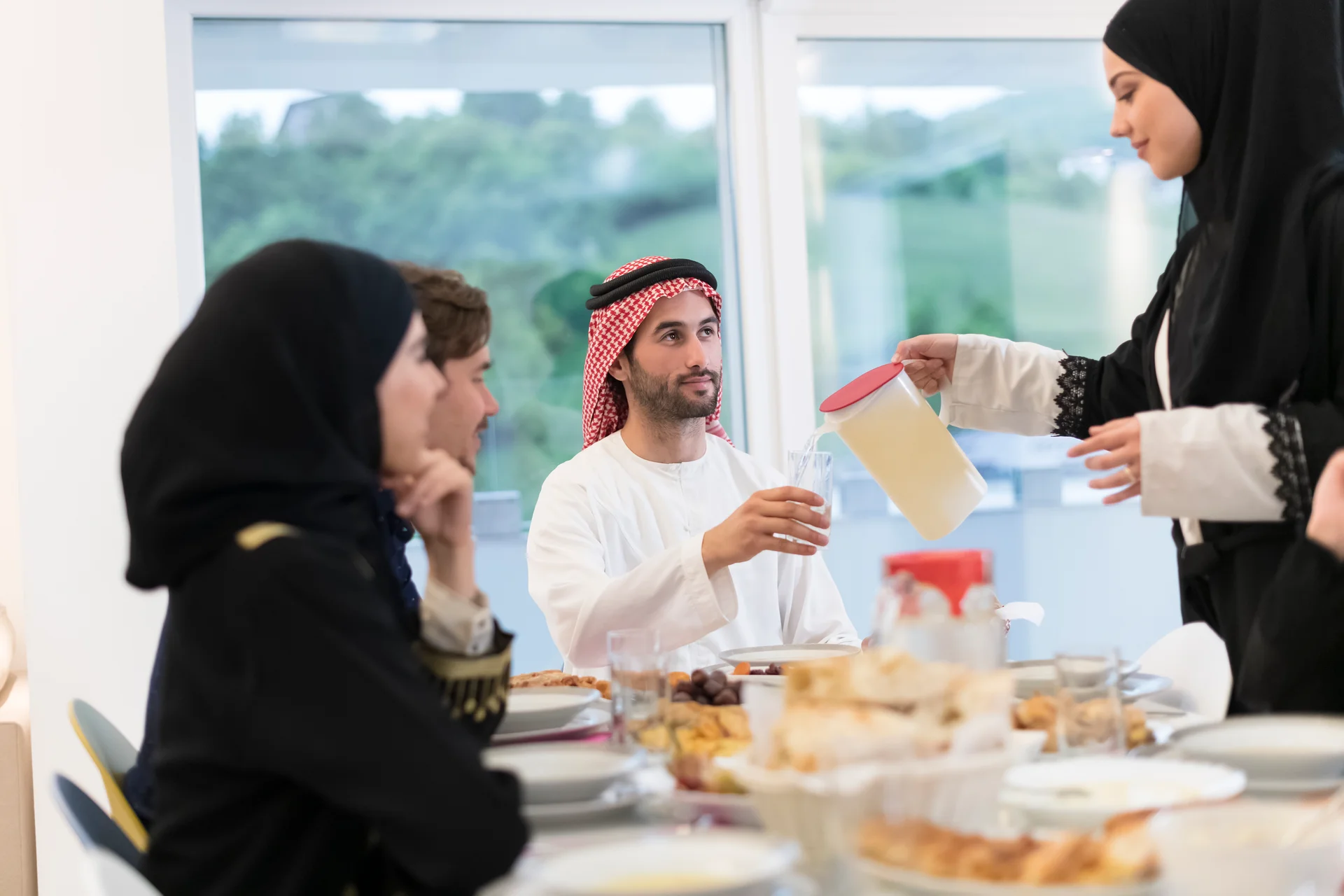
Erth Abu Dhabi is distributing 95,000 Iftar meals daily across the UAE during Ramadan 2026, marking the 22nd consecutive year of this philanthropic initiative. The operation mobilizes 650 chefs, 400 stewarding staff, 800 packagers, and 200 logistics personnel across three emirates to execute what amounts to a supply-chain feat few hospitality organizations attempt. Supported by Zayed for Good Foundation—an affiliate of Erth Zayed Philanthropies—the program reflects a deliberate institutional strategy to embed charitable giving into core business operations. What distinguishes this initiative from standard corporate giving programs is its operational complexity: the scale requires sourcing 30,000 kilograms of chicken, 15,000 kilograms of lamb, and 15,000 kilograms of rice each day, with meal preparation beginning 24 hours before distribution. The program serves worshippers at Sheikh Zayed Grand Mosque Centre in Abu Dhabi and Fujairah, Sheikh Khalifa Mosque in Al Ain, and supplies integrated food packages to the Specialised Economic Zones (ZonesCorp). As volunteers move through bustling kitchens, the aroma of spices like cumin and coriander fills the air, creating an atmosphere of anticipation and community spirit. This analysis examines how a private hospitality entity has transformed Ramadan charity into a logistical infrastructure challenge—and what that reveals about corporate social responsibility in the Gulf region.
Visitor Tips
Best Time: Aim to arrive at the distribution site at least an hour before Iftar to see the full scope of preparation and feel the build-up to the meal. The ideal days are weekdays when crowds are slightly smaller. Arrive by 4:00 PM to witness the final preparation stages. Pro Tips: Dress in modest, comfortable clothing, as you'll be moving around quite a bit and may get warm. Knowing basic Arabic phrases to greet and thank staff and recipients can go a long way in enhancing your experience and demonstrating cultural sensitivity. Bring a water bottle and wear comfortable shoes, as you may be standing for extended periods. Save Money: Volunteering in the distribution might offer insiders' perspectives and potentially afford local hospitality, such as shared meals or guided tours from staff. Consider carpooling with other volunteers to save on transportation costs. Look for group tours that include visits to multiple distribution sites for better value.
How to Get There
Reaching the main distribution sites is convenient with several options available. If you're in Abu Dhabi, take the Metro to the Sheikh Zayed Grand Mosque Metro Station, with a ticket costing approximately 5 AED. From there, a taxi ride to the distribution site is a quick 10-minute journey, costing about 15 AED. If you're driving, ample parking is available near the Sheikh Zayed Grand Mosque Centre. Car rentals in the city start at 60 AED per day, providing flexibility to visit other cultural sites afterward. Additionally, local buses also service these areas, offering an eco-friendly and budget-conscious transport option, typically costing around 3 AED per ride.
Frequently Asked Questions
Frequently Asked Questions
- How many people does Erth Abu Dhabi employ to execute the daily Iftar distribution?
- Erth mobilizes approximately 2,050 staff members across multiple roles: 650 chefs, 400 stewarding staff, 800 food packagers, and 200 drivers and logistics personnel. This workforce is distributed across Abu Dhabi, Al Ain, and Fujairah. The scale reflects the operational complexity of preparing and distributing 95,000 meals within a compressed daily window aligned to sunset times. The team works in synchronized shifts to ensure timely delivery while maintaining quality standards throughout the process.
- What are the sourcing requirements for Erth's daily Iftar meal production?
- The operation sources 30,000 kilograms of chicken, 15,000 kilograms of lamb, 15,000 kilograms of rice, and 15,000 kilograms of locally sourced vegetables daily. Spices including cumin, coriander, cinnamon, and dry lemon are pre-blended to maintain consistency. These quantities must be sourced and quality-checked 24 hours in advance to accommodate the production timeline beginning at 5:00 a.m.
- Which locations receive Iftar meals through Erth Abu Dhabi's program?
- Erth distributes meals to three primary mosque locations: Sheikh Zayed Grand Mosque Centre in Abu Dhabi, Sheikh Zayed Grand Mosque Centre in Fujairah, and Sheikh Khalifa Mosque in Al Ain. The program also supplies integrated weekly food packages to the Specialised Economic Zones (ZonesCorp). A fleet of 150 delivery trucks ensures meals arrive at distribution points by sunset.
- Why does meal preparation begin 24 hours before distribution?
- The 24-hour advance timeline accommodates sourcing verification, marinading of proteins, spice preparation, and quality control. Marinating chicken and lamb with traditional spices enhances flavor and tenderness—a process that requires hours. Pre-blending masala spices at 5:00 a.m. ensures consistency across all 95,000 meals. The compressed assembly window (12:00 p.m. to 3:00 p.m.) demands that ingredients be ready and organized in advance.
- How long has Erth Abu Dhabi maintained this annual Iftar initiative?
- The initiative has operated continuously since 2004—22 consecutive years as of 2026. This longevity reflects institutional commitment rather than seasonal marketing. The program's continuity across economic cycles, regulatory changes, and management transitions indicates that Ramadan giving is embedded into organizational strategy, not contingent on annual budgeting decisions.
- What role does Zayed for Good Foundation play in funding the initiative?
- Zayed for Good Foundation, an affiliate of Erth Zayed Philanthropies, sponsors the entire Iftar program. The foundation sources donations from individuals and institutions aligned with Sheikh Zayed bin Sultan Al Nahyan's philanthropic legacy. Erth positions the initiative as honoring the UAE's founding father's vision of community care—making the foundation's role as much symbolic as financial.
- Can tourists participate in the distribution efforts?
- Yes, tourists are welcome to volunteer. It's a unique opportunity to engage with the local community and learn about the cultural and religious significance of Ramadan. Ensure you register in advance to receive all necessary details and instructions.