Etihad delays and cancels Abu Dhabi flights to US
If you're booked on an Etihad flight from Abu Dhabi to the United States, you might be wondering if your journey is safe during winter storm season. In early February 2026, Etihad Airways made headlin
If you're booked on an Etihad flight from Abu Dhabi to the United States, you might be wondering if your journey is safe during winter storm season. In early February 2026, Etihad Airways made headlines by cancelling and delaying numerous flights connecting Abu Dhabi to major American hubs like New York, Boston, and Chicago. This wasn't an isolated incident—it's part of a larger pattern affecting all Gulf carriers when severe winter weather sweeps across the North Atlantic. This guide breaks down what happened, why it matters, and most importantly, what you can do if you're caught in the disruption. Whether you're a frequent flyer or a first-time traveller, understanding how airlines handle weather emergencies can help you navigate rebooking options, compensation claims, and alternative routes with confidence.

What to Expect
When Etihad cancels flights due to winter storms, the airport experience transforms dramatically. The Abu Dhabi International Airport terminal fills with frustrated passengers crowding information desks, their voices echoing off marble floors as announcements crackle overhead in multiple languages. You'll notice the distinctive smell of jet fuel mixed with coffee from cafés as staff work overtime fielding rebooking requests. The atmosphere feels tense yet organized—ground crews hustle through corridors while digital departure boards flash red cancellation notices. If you're rerouted, expect longer layovers in European hubs like Frankfurt or Paris, where you'll experience cooler, cleaner air and entirely different airport aesthetics. During peak disruption periods, you might wait 2-4 hours at information counters, hearing heated conversations in Arabic, English, and various other languages as passengers negotiate with agents. The sensory overload—fluorescent lights, rolling luggage wheels, muffled conversations—creates a distinctly stressful travel environment. Premium cabin passengers often retreat to airline lounges where the ambiance is calmer, with softer lighting and quieter spaces for phone calls to loved ones. The emotional weight of uncertainty—not knowing your final departure time—can feel heavier than the luggage you're carrying.
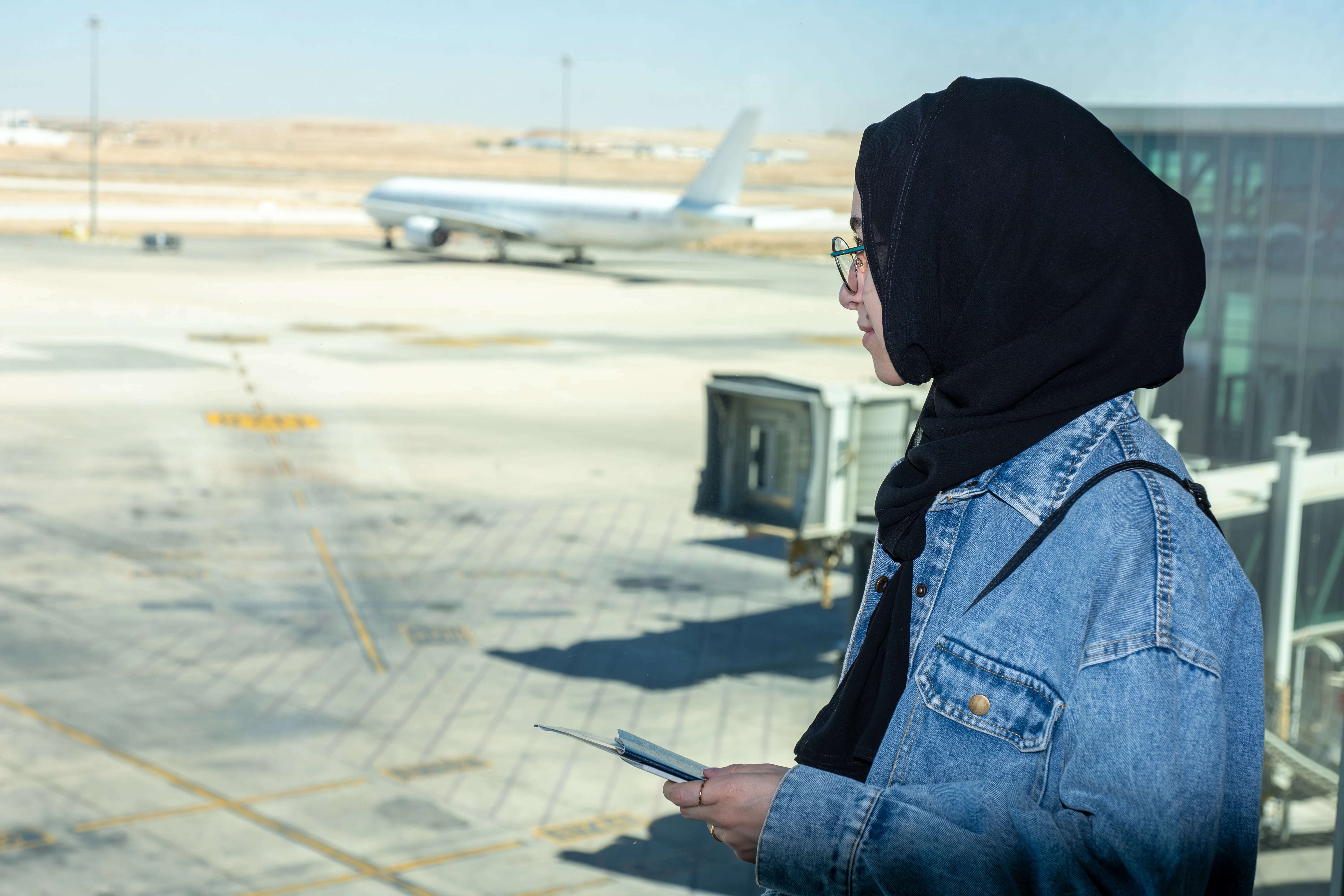
Etihad Airways has cancelled and delayed multiple flights between Abu Dhabi and major US cities including New York and Boston as a severe winter storm affects North American operations. The disruptions impact thousands of passengers during peak travel season, forcing the airline to reroute aircraft and consolidate flights across its US network. Airlines operating long-haul routes from the Gulf face compounding challenges: fuel costs remain 15-20% above 2023 levels according to industry data from the International Air Transport Association, and adverse weather events increasingly disrupt schedules. This situation reveals structural vulnerabilities in ultra-long-haul operations when weather systems intersect with already-thin profit margins in premium cabin markets.
Visitor Tips
Best Time to Travel: Avoid booking transatlantic flights between December and March when winter storms peak. If you must travel during this period, consider routing through alternative hubs like Istanbul or Doha to reduce exposure to North Atlantic weather disruptions. Pro Tips: Always purchase travel insurance that covers weather-related cancellations—it's worth the extra 5-8% of your ticket price. Monitor weather forecasts 72 hours before departure; if major storm systems are forecast, contact Etihad proactively to explore rebooking options before cancellations are announced. Keep your boarding pass and booking reference easily accessible on your phone, and maintain a list of Etihad's customer service numbers for both Abu Dhabi and US-based operations. During disruptions, social media channels respond faster than phone lines—try messaging Etihad Airways on Twitter or Instagram for real-time updates. Save Money: Book flexible tickets that allow free changes rather than non-refundable fares; the €40-100 additional cost pays for itself if you need to reschedule. Consider flying on less popular days (Tuesdays-Thursdays) when airlines have more flexibility to reroute passengers. Premium Economy often provides better rebooking options than Economy without the premium cabin price tag. If cancelled, negotiate for travel credits rather than refunds—these typically come with 20% bonus value. Join Etihad's loyalty program; members receive priority rebooking and complimentary hotel accommodations during extended disruptions.
How to Get There
Getting to Abu Dhabi International Airport during winter weather disruptions requires planning ahead. Metro: The Abu Dhabi Metro Red Line connects downtown Abu Dhabi to the airport in approximately 30 minutes, costing 25 AED (approximately USD 6.80) for a single ticket. During peak disruption periods when thousands of rebooked passengers flood the airport, expect crowded metro cars during morning and evening hours; aim to travel mid-afternoon for shorter wait times. The metro runs every 7-12 minutes and is wheelchair accessible. Taxi: White taxis operate throughout Abu Dhabi with meter rates starting at 5 AED plus 1.82 AED per kilometer. Expect 40-90 minutes from downtown Abu Dhabi to the airport depending on traffic, costing approximately 60-120 AED (USD 16-33). During weather disruptions, traffic intensifies significantly, and surge pricing may apply. Use Etihad's designated taxi rank rather than hailing curbside to avoid overcharging. Car (Rental or Private): Renting a vehicle costs 80-150 AED daily through international companies like Hertz or Avis. Parking at Abu Dhabi airport terminals runs 20-35 AED per day for standard parking. The drive from downtown takes 45-60 minutes via Sheikh Zayed Road. If traveling with significant luggage due to extended disruptions, having your own vehicle provides flexibility for multiple airport trips without additional transportation costs.
Frequently Asked Questions
Frequently Asked Questions
- Which Etihad flights to the United States were cancelled during the winter storm?
- Etihad cancelled multiple flights on routes including Abu Dhabi-New York (EY106), Abu Dhabi-Boston (EY102), and Abu Dhabi-Chicago (EY118) between early February and mid-February 2026. The airline didn't release a complete public list, but flight tracking data showed at least 8-12 large aircraft removed from US schedules over a 10-day period. If your flight was affected, affected passengers were rebooked on the next available Etihad flight or given the option to switch to American Airlines flights as partner options.
- How does winter weather impact long-haul operations differently than domestic flights?
- Think of it this way: long-haul planes like Etihad's Boeing 787 must fly straight across the stormy Atlantic, while domestic carriers can simply go around bad weather. During storms, the Atlantic becomes extremely dangerous with unpredictable wind patterns and icing. Additionally, ultra-long routes don't have backup plans built in—one cancelled flight loses the airline USD 1.2-1.4 million in revenue. A cancelled domestic flight is less of a financial hit and easier to reschedule on other flights the same day.
- Why don't airlines simply delay flights instead of cancelling them?
- Here's the practical answer: severe storms lasting 12+ hours don't leave airlines much choice. Federal aviation rules require pilots to maintain fuel reserves and limit how many hours crews can work. A 14-15 hour Abu Dhabi-New York flight that gets delayed 2-3 hours often violates crew rest regulations, making cancellation the safer option. Plus, keeping planes and crews sitting on the ground for hours costs money, so cancellation sometimes makes more economic sense.
- What alternatives do passengers have when Etihad cancels US-bound flights?
- You have several options: rebook on the next Etihad flight (usually within 24-48 hours), switch to American Airlines flights as a codeshare partner, or get rerouted through European hubs using airlines like Lufthansa or Air France. Passengers flying from Europe are entitled to meals and hotel stays under EU regulations. Etihad typically offers USD 300-500 travel credits for cancelled flights, though business and first-class passengers can often negotiate higher compensation.
- Are other Gulf carriers experiencing similar weather-related disruptions?
- Yes, all major Gulf airlines faced disruptions. Emirates cancelled multiple Chicago and Boston flights, while Qatar Airways cancelled New York flights. It's not an Etihad-specific problem—it's a weather phenomenon affecting all carriers on these routes. The difference is how well each airline's backup systems work. Some airlines have more extra planes positioned strategically, so they recover faster than others.
- Will Etihad compensate passengers for cancelled flights to the US?
- Etihad provides travel credits ranging from USD 300-800 depending on your ticket type and distance. However, weather-related cancellations are considered 'extraordinary circumstances' under international aviation rules, which can limit how much they must pay. Your best move: file a formal claim with Etihad's customer service using your booking confirmation. Business and first-class passengers often get better results by negotiating directly—many receive hotel stays and USD 500+ in additional credits beyond the standard policy.