Find your calm with these free online wellness classes you can join from home
The global wellness industry has grown to $4.5 trillion in 2024, according to the Global Wellness Institute, yet access remains unequal. Free online classes are closing that gap. Platforms like Insigh
The global wellness industry has grown to $4.5 trillion in 2024, according to the Global Wellness Institute, yet access remains unequal. Free online classes are closing that gap. Platforms like Insight Timer, YouTube channels run by certified instructors, and corporate wellness programs now stream meditation, breathwork, and nervous-system regulation courses at no cost—reaching populations that previously couldn't afford private sessions or gym memberships. This profound transformation in accessibility and practice is democratizing mental health and stress management worldwide. The real question isn't whether these classes work—clinical studies confirm they do—but whether they're sustainable as a business model and whether quality remains consistent when instruction is free. What's particularly transformative is the cultural exchange happening in real-time: instructors from South Asia, Africa, and Latin America are sharing traditional wellness practices adapted for modern digital audiences, creating a truly global wellness ecosystem that honors multiple healing traditions.

What to Expect
Expect a diverse sensory experience depending on your chosen platform and instructor. Most guided meditations open with calming ambient music—gentle piano, nature sounds like rainfall or ocean waves, or Himalayan singing bowls creating resonant, vibrating tones that ground you immediately. Your visual experience varies: some instructors guide you through candlelit studios with soft, warm lighting; others practice outdoors with natural sunlight filtering through trees. You'll hear instructors speak in measured cadences—many using whisper-soft voices that invite deep listening—while their breath becomes audible, synchronizing with yours. Breathwork classes often feature rhythmic patterns paired with instrumental soundscapes; the physical sensation of controlled breathing creates a cooling or warming effect in your chest and throat. Yoga classes offer the visual rhythm of bodies moving through poses, the sound of instructors counting in Sanskrit or English, and tactile awareness as you feel your muscles engage and lengthen. Some platforms incorporate binaural beats or isochronic tones designed to shift your brainwave state—a subtle, almost subliminal humming effect. The emotional atmosphere builds progressively: initial tension gives way to calm, sometimes to gentle euphoria by the session's end. Most importantly, you experience the absence of in-person pressure—no mirrors to self-judge, no crowded studios—allowing deeper introspection.
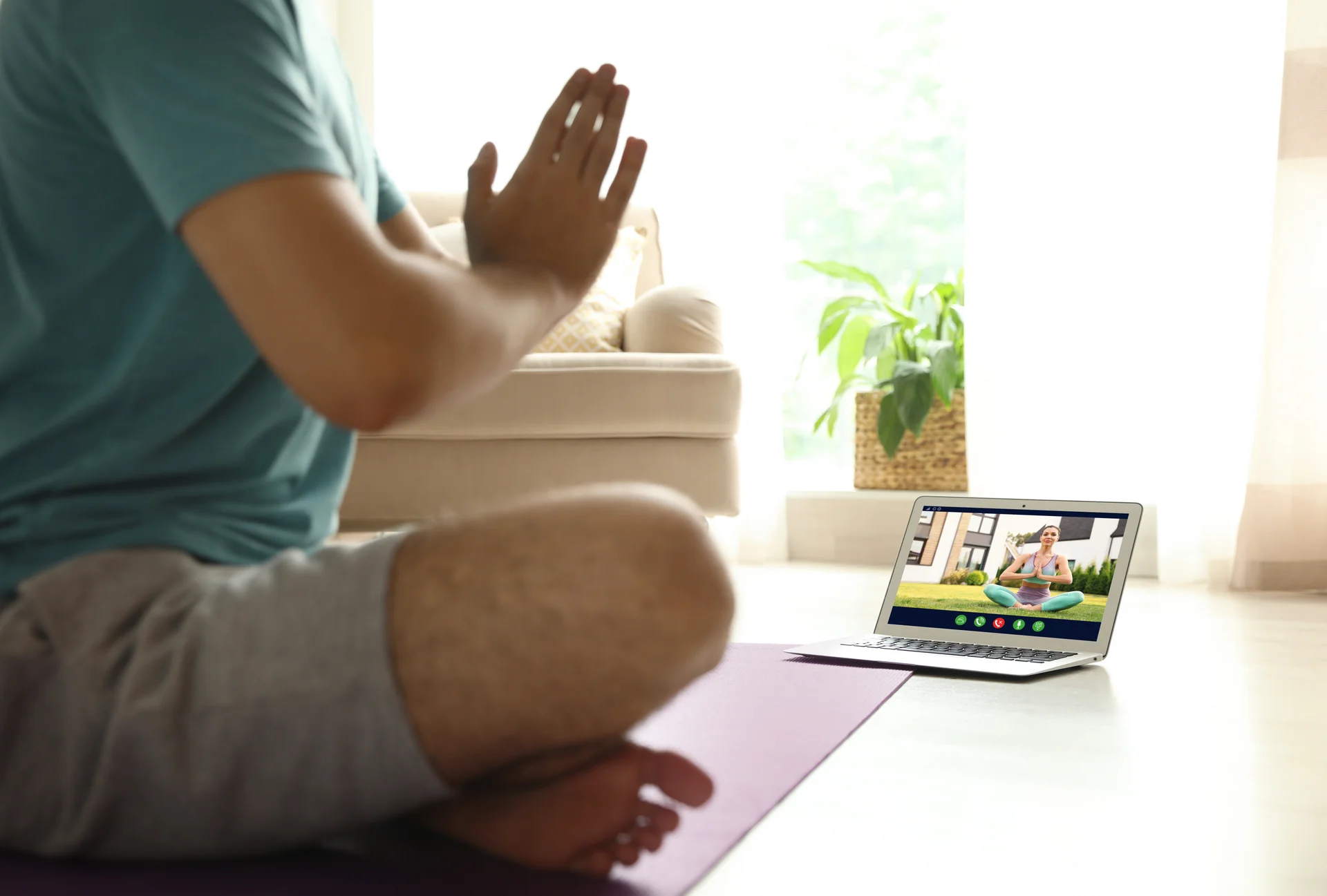
The global wellness industry has grown to $4.5 trillion in 2024, according to the Global Wellness Institute, yet access remains unequal. Free online classes are closing that gap. Platforms like Insight Timer, YouTube channels run by certified instructors, and corporate wellness programs now stream meditation, breathwork, and nervous-system regulation courses at no cost—reaching populations that previously couldn't afford private sessions or gym memberships. This shift represents a profound transformation in accessibility and practice for how mental health and stress management are being democratized globally. The real question isn't whether these classes work—clinical studies confirm they do—but whether they're sustainable as a business model and whether quality remains consistent when instruction is free. Indian platforms like Cult.fit have integrated free classes into their model, while African instructors on YouTube like Femi Owens bring culturally-grounded breathwork techniques to diaspora communities. Brazilian capoeira instructors stream free sessions, and Southeast Asian meditation teachers on platforms like Asana Rebel offer instruction rooted in Buddhist and Hindu traditions, demonstrating how diverse cultural approaches to wellness are now globally accessible.
Visitor Tips
**Best Time to Practice:** Most practitioners find success practicing between 6-7 AM or 8-9 PM, aligning with natural cortisol rhythms. Early morning classes capitalize on mental clarity; evening sessions prepare your nervous system for sleep. Aim for consistent scheduling—your brain recognizes patterns and deepens relaxation with routine. **Pro Tips for Maximum Benefit:** Start with 10-15 minute classes before advancing to longer sessions; consistency matters more than duration. Create a dedicated space—even a corner with a cushion—to signal to your mind that this time is sacred. Silence your phone, dim lights, and use headphones for better audio quality and immersion. Follow instructors consistently for 2-3 weeks; your nervous system needs time to recognize and trust the teaching style. Combine modalities: pair meditation with breathwork or yoga for synergistic effects. Experiment with different instructor voices—some people respond better to slower cadences or specific accents; this is neuroscience, not preference. **Save Money Tips:** YouTube offers unlimited free classes from verified instructors like YogaHub, Down Dog, and Jason Stephens; you're only paying for internet. Insight Timer's free tier includes thousands of teacher-led meditations—premium features are optional. Many corporate wellness programs (check with your employer) include free access to Calm, Peloton Digital, or Headspace. Library apps like Libby sometimes offer meditation app subscriptions free through your local library. Join free community challenges on social media; many instructors host 30-day free challenges with group accountability. Avoid paid apps' "limited-time free trials" that auto-charge; instead, stick with permanently free platforms.
How to Get There
**Access Methods for Practicing Online Wellness Classes:** **Desktop/Laptop:** The most accessible and cost-free option. Visit YouTube.com and search "free meditation" or "yoga classes," or navigate directly to platforms like InsightTimer.com. Stream quality is highest here; no app fees required. This option is ideal if you have a stable internet connection and prefer practicing at a desk or in front of a screen. **Mobile App:** Download apps directly to your smartphone or tablet. Most are free-to-download (Insight Timer, Calm's free tier, Peloton's free YouTube app) with optional in-app purchases for premium content. Estimated data usage: 30-100 MB per 30-minute class depending on video quality. Total cost: $0-30/month depending on whether you upgrade to premium tiers. **Smart TV/Casting:** Use Chromecast, Apple TV, or AirPlay to stream classes on larger screens—available on YouTube and some apps. Cost: $0 if you own the device; no monthly subscription required for YouTube-based classes. Setup time: 2-5 minutes to connect your device. **In-Person Studio Classes with Online Option:** Many studios now offer hybrid models. Community centers ($5-15 per drop-in class or $30-50/month memberships) often have free or low-cost classes, sometimes with Zoom links for home participation. Yoga studios typically charge $10-20 per class or offer unlimited monthly memberships ($80-150). Some studios in developing regions charge $2-5 per class, making them affordable for global audiences. **Internet Cost Consideration:** If you don't have internet, community centers, libraries, and internet cafes offer free or low-cost access ($1-5 per hour in developing countries). This removes the barrier for those without home wifi.
Frequently Asked Questions
Frequently Asked Questions
- Are free online wellness classes actually effective or just placebo?
- Research supports efficacy, but with caveats. A 2024 meta-analysis in Frontiers in Psychiatry found that guided meditation reduced cortisol levels by an average of 12-18% across 47 studies. That said, effectiveness depends heavily on consistency—users practicing 3+ times weekly saw measurable results, while casual users reported minimal benefit. Individual variation is significant; about 18% of participants experienced increased anxiety, particularly those with trauma histories.
- How can I verify that a wellness instructor on YouTube or TikTok actually has legitimate qualifications?
- Check for verifiable credentials in the creator's bio or about section. Look for RYT designations (Registered Yoga Teacher), LMFT (Licensed Marriage and Family Therapist), or clinical psychology degrees. Be skeptical of vague claims like "wellness coach" or "certified holistic practitioner"—these terms lack legal definitions. Platforms like Insight Timer display credentials; social media platforms often don't, making vetting harder. Start with instructors referenced by established wellness organizations like Yoga Alliance or the American Psychological Association.
- Will the free wellness class market collapse as companies monetize their platforms?
- Some will consolidate, but not vanish entirely. YouTube-based free content will likely persist indefinitely because the platform's ad model sustains it. Subscription apps like Calm are reducing free tiers, shifting toward freemium models where basic access remains free but advanced features cost money. Corporate partnerships and venture funding mean free content will continue—just increasingly alongside paid upsells. Expect fragmentation: premium platforms charging; nonprofit and educational institutions offering free content; and ad-supported platforms surviving through volume.
- Can I use free meditation classes instead of seeing a therapist for anxiety or depression?
- No. Meditation can complement therapy, not replace it. Clinical guidelines from the American Psychiatric Association classify meditation as an adjunctive tool, not a primary treatment for moderate-to-severe depression or anxiety disorders. Free classes lack personalization—they can't assess whether your anxiety stems from neurobiology, trauma, or situational stress. A licensed therapist can. Free classes work best for general stress management and prevention in otherwise healthy populations. If you're experiencing persistent symptoms, professional evaluation remains essential.
- Which free platforms deliver the most consistently high-quality instruction?
- Insight Timer stands out for verification requirements and teacher credentials clearly displayed; Calm's free tier (where available) uses editorial curation; YouTube channels from established studios like YogaHub or Down Dog offer consistent quality. Peloton's free YouTube classes are well-produced and teacher-verified. TikTok and Instagram are hit-or-miss—algorithm-driven rather than curated. For reliable content, prioritize platforms requiring teacher credentials and showing instructor qualifications transparently. Editorial curation correlates with user satisfaction, even if it limits the breadth of content.