Floyd Mayweather coming out of retirement to face Manny Pacquiao at Sphere Las Vegas
Picture this: two of boxing's greatest legends stepping back into the ring at one of Las Vegas's most cutting-edge venues. Floyd Mayweather's highly anticip
Picture this: two of boxing's greatest legends stepping back into the ring at one of Las Vegas's most cutting-edge venues. Floyd Mayweather's highly anticipated comeback fight against Manny Pacquiao at The Sphere on September 16, 2026, promises to be an unforgettable spectacle that blends nostalgia with next-generation technology. This rematch marks a historic moment in sports entertainment, bringing together two fighters whose 2015 clash captivated millions worldwide. What makes this event truly unique is its setting at The Sphere, an architectural marvel featuring a stunning 16,000-square-meter LED display that wraps around the entire interior, creating an immersive viewing experience unlike any traditional boxing venue. The event exemplifies how modern boxing has evolved beyond traditional competitive rankings to embrace exhibition culture and experiential entertainment. For fight fans traveling to Las Vegas, this represents an opportunity to witness sporting history while experiencing the glittering energy of Vegas's premium entertainment district. Whether you're a die-hard boxing enthusiast who remembers their first fight or a newcomer curious about the hype, understanding what to expect at this high-stakes event will help you make the most of your Las Vegas trip.

What to Expect
Attending the Mayweather vs Pacquiao fight at The Sphere is an experience that engages all your senses. As you enter the venue, you'll feel the electric anticipation in the air—thousands of fans buzzing with excitement, the low hum of the massive LED screens powering up, and the tangible energy of a major sporting event. The visual spectacle is breathtaking: the 366,000 individual LED lights enveloping the 109-meter diameter spherical structure create a dazzling cathedral of light and color both inside and outside the venue. Inside The Sphere, expect a surround-sound environment where every punch resonates through sophisticated audio systems, and the enormous display screens show crystal-clear close-ups of the fighters from every angle simultaneously. You'll hear the roar of 20,000 passionate fans, the sharp crack of gloves meeting faces, and commentary that fills every corner of the massive space. The atmosphere is sophisticated yet charged—this isn't a rowdy stadium experience but rather an upscale entertainment event where designer suits mix with boxing enthusiast attire. The sensory immersion of The Sphere means you're never too far from the action, regardless of your seat location. Expect the venue to be comfortable and climate-controlled, a stark contrast to traditional boxing venues. The experience transcends typical fight-watching; it's performance art meets athletic competition, with the technological backdrop making it feel like you're witnessing the future of sports entertainment.
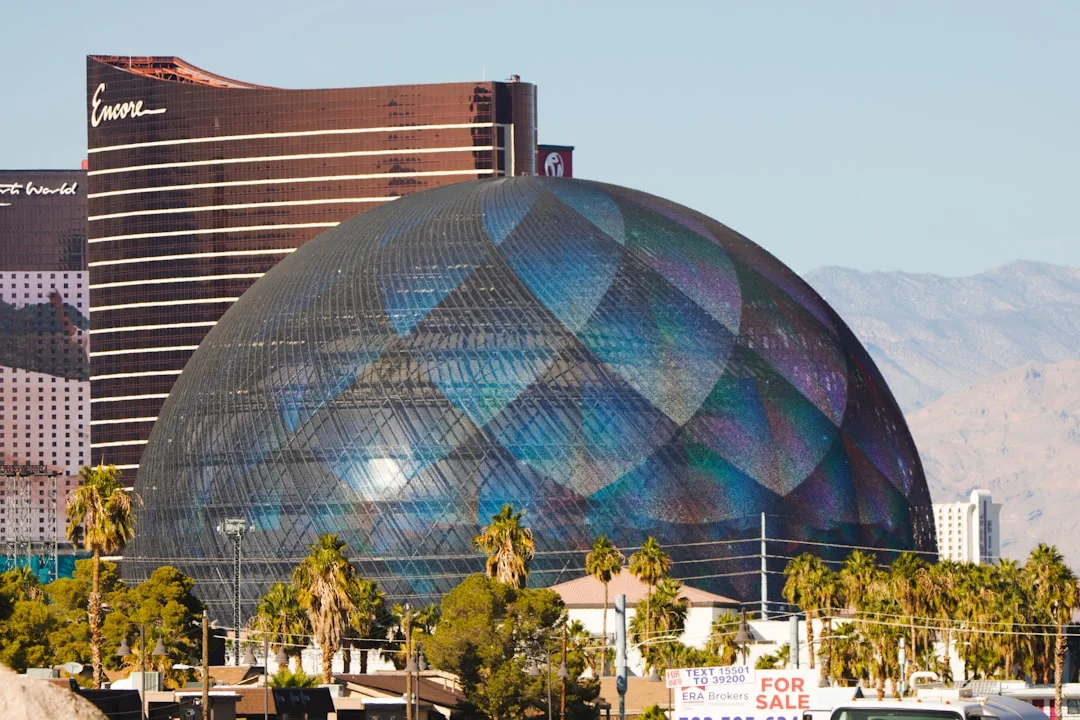
Floyd Mayweather's announced comeback fight against Manny Pacquiao at The Sphere in Las Vegas on September 16, 2026, signals a significant shift in how legacy sporting events are being monetized and packaged for global audiences. The fight represents the convergence of three major industry trends: aging athletes extending their earning windows through exhibition and comeback events, venue operators leveraging immersive technology to justify premium ticket pricing, and promoters banking on nostalgia-driven revenue streams in an increasingly fractured sports entertainment landscape. Mayweather, now in his late 40s, has fought only three times since his 2017 retirement, including exhibition matches against Logan Paul and John Gotti III, yet continues to command seven-figure purses. This particular announcement raises critical questions about athletic credibility, regulatory oversight, and whether The Sphere's technological novelty can sustain pay-per-view demand for a rematch of a fight that occurred over a decade ago.
How to Get There
The Sphere is located at 3655 South Las Vegas Boulevard, directly on the Las Vegas Strip. If you're flying in, Harry Reid International Airport (LAS) is approximately 20 miles from The Sphere and accessible via multiple transportation options. By Metro/Public Transit: Unfortunately, Las Vegas lacks a comprehensive metro system. The Deuce and SDX bus lines operate along the Strip, with stations near The Sphere. A single ride costs $2.75, or purchase a 24-hour pass for $20. Travel time from the airport is approximately 45-60 minutes depending on traffic, with connections available at Downtown Transit Center. By Taxi: Taxis from Harry Reid International Airport to The Sphere typically cost $25-$35 for a standard sedan, approximately 25-35 minutes depending on traffic. Tipping 15-20% is customary. Request a taxi from the ground transportation level at baggage claim. By Rideshare (Uber/Lyft): Rideshare is the most convenient option for most travelers. Airport to The Sphere costs approximately $18-$28 for Uber X or Lyft Standard, depending on demand and time of day. Surge pricing applies during evening hours and event days, so budget accordingly. Pick-up is located on the third level at the airport. Travel time is 20-30 minutes with normal traffic. By Rental Car: If you plan to explore beyond the Strip, rental cars cost approximately $35-$60 daily from airport agencies. The Sphere offers valet parking ($15-$25) and self-parking ($10-$15) options. However, parking and gas costs often exceed rideshare savings for short stays. The Strip experiences significant traffic congestion, especially evenings. From Strip Hotels: If staying on the Strip, The Sphere is easily walkable from most central properties (15-25 minute walk from Bellagio, Caesar's Palace, or Aria). Alternatively, use the complimentary tram systems connecting major hotels or pay $5 for monorail access from nearby stations.
Frequently Asked Questions
Frequently Asked Questions
- Why are Floyd Mayweather and Manny Pacquiao fighting again after 11 years?
- Great question! Both fighters remain globally recognizable, and promoters have figured out that bringing back legendary matchups generates serious money through pay-per-view and ticket sales without requiring either fighter to stay competitive. Mayweather's exhibition matches have generated approximately $600 million in revenue despite being non-competitive, which shows just how much fans are willing to pay for these nostalgic moments. The Sphere's immersive technology gives this rematch a fresh angle—it's not just another boxing match, but a cutting-edge entertainment experience that justifies premium ticket pricing for what would otherwise be a straightforward rematch of their famous 2015 fight.
- How does The Sphere's technology change the boxing viewing experience?
- The Sphere's technology is genuinely game-changing for live sports. Imagine being surrounded by a massive 16,000-square-meter LED display that wraps around the entire interior—all 20,000 spectators get to view the fight simultaneously on crystal-clear screens rather than relying on traditional ringside seats with potential sightline issues. The venue's sophisticated camera work and display system means everyone essentially gets a front-row seat experience. While this is mediated through technology rather than direct sight of the ring, it actually creates a more dynamic viewing experience with multiple camera angles and close-ups. MGM Resorts International reports that this immersive presentation allows for approximately 40% premium pricing compared to traditional venues while giving every seat holder equally excellent viewing quality—pretty revolutionary for boxing venues where seat location traditionally makes a huge difference.
- What regulatory questions does this fight raise for the Nevada State Athletic Commission?
- Great observation! The Nevada State Athletic Commission faces some interesting decisions here. First, they need to determine whether this fight qualifies as legitimate professional competition or sanctioned exhibition, especially since both Mayweather and Pacquiao are technically retired. There's also the unique question of how to regulate a fight where the paying audience's primary experience is mediated through technology and LED displays rather than direct sight of the fighters. These classification decisions matter because they affect official boxing records, what safety standards apply, and how the bout is recognized professionally. Given both fighters' ages and inactivity, the commission also needs to consider appropriate medical oversight—it's a fascinating blend of sports regulation and entertainment venue management.
- How does this rematch affect younger professional boxers trying to build careers?
- This is an important question that many boxing insiders are discussing. When promotional resources and media attention concentrate on legacy matchups like this, it reduces funding and promotional opportunities for younger fighters trying to build legitimate competitive careers. According to Sports Business Journal, exhibition matches classified as professional bouts now represent about 18% of all U.S. sanctioned boxing matches—up from just 6% in 2015. That's a significant shift, and it means promotional dollars are increasingly flowing toward past-their-prime fighters rather than building sustainable competition and developing the next generation of boxing talent. It's creating a two-tier system in professional boxing that's worth thinking about if you care about the sport's long-term health.
- Is Mayweather versus Pacquiao II classified as an exhibition or professional bout?
- The official classification hasn't been announced yet, but based on industry precedent, it'll likely be sanctioned as a professional fight despite both fighters being relatively inactive competitively. This classification allows the bout to count toward official records while avoiding the competitive credibility standards that would apply to legitimate title fights. It's essentially a regulatory sweet spot that benefits promoters and established fighters—you get the prestige of a professional bout without the scrutiny that comes with genuine championship-level competition. It's a creative solution that reflects how modern boxing has evolved beyond traditional competitive structures.