Here’s Everything to Eat at Coachella in 2026
Coachella 2026 features over 100 dining options across multiple zones, with standout vendors including Shields Date Garden from Indio, Kogi Korean BBQ, Sqirl, and newly arriving Churrería El Moro. The
Coachella 2026 features over 100 dining options across multiple zones, with standout vendors including Shields Date Garden from Indio, Kogi Korean BBQ, Sqirl, and newly arriving Churrería El Moro. The Indio Central Market serves as the main food hub, featuring smashburgers from Softies Burger, Nashville-style hot chicken from Dave's Hot Chicken, cheese-crusted tacos from Villas Tacos, and plant-based pizzas from Forever Pie. Street Food Alley has expanded with vendors like Fat Sal's, Sumo Dog, and Cena Vegan lining a new pathway. The Terrace area focuses on quick bites—churros, Cajun seafood boils from The Boiling Crab, and fried chicken from Rokstar Chicken. VIP ticket holders gain access to Nobu's reservation-only omakase counter at the Red Bull Mirage. This year's food program represents a genuine evolution from typical festival fare, though success depends on timing your visits and managing expectations around crowds and costs.

What to Expect
You'll encounter distinct dining zones across the festival grounds. At Indio Central Market, expect to navigate bustling crowds around popular stalls—Softies Burger's smashburger line typically forms early, while Kogi's Korean-Mexican fusion draws consistent traffic. The Terrace features open-air eating with Churrería El Moro's fresh churro station near the iconic Ferris wheel, where you can watch them being prepared. Street Food Alley presents a lineup of specialty vendors in sequence rather than clustered together, reducing some crowd pressure. Actual dining sits on uneven desert terrain; most vendors lack extensive seating, so you'll likely eat while standing or find shade in limited spots. VIP areas at Red Bull Mirage offer reserved seating but require advance reservations. Meal prices range from $12-18 for street food to $30-50 for premium dining experiences. Campground attendees access separate vendor areas with early-morning and late-night hours via Handles Coffee, Dave's Hot Chicken, and Valley Fusion Sushi.
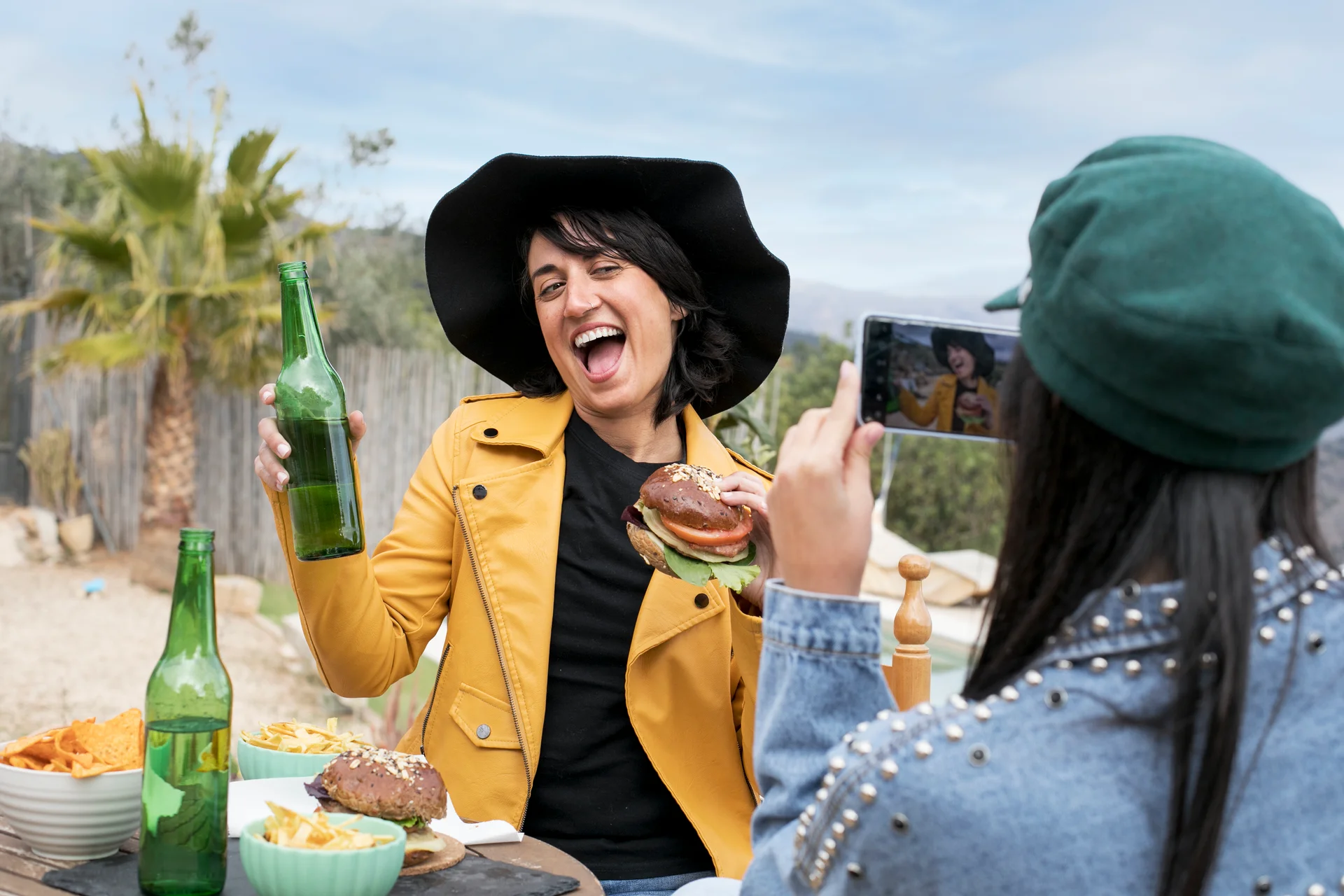
Coachella 2026 features over 100 dining options—ranging from food trucks to VIP sit-down meals at Nobu. Unlike past festivals where food was an afterthought, this year's lineup reflects deliberate curation of local vendors like Kogi Korean BBQ, Softies Burger, and Churrería El Moro alongside established names. The festival spans two weekends (April 10-12 and April 17-19), with the Indio Central Market serving as the central hub. What makes this different: attendees can experience everything from Nashville hot chicken to omakase, though they'll need to navigate significant crowds, premium pricing ($15-$50 per dish), and vast festival grounds. The food program now functions as a destination in itself rather than a convenience, reflecting how Coachella positions culinary experiences alongside musical ones.
Visitor Tips
Best Time: Arrive at food stalls between 2-4 PM or after 9 PM when most attendees are watching performances. Peak meal times (12-2 PM and 6-8 PM) typically mean 20-40 minute waits. Pro Tips: Download the Coachella app for real-time vendor locations and note which areas have seating—it's easy to overestimate shade availability. Bring cash and small bills; some vendors have slower card processing during busy periods. Save Money: Share plates with friends to sample more items; a single entree often serves two. Combo deals exist but aren't always advertised. Bring a refillable water bottle—refill stations are scattered throughout but sometimes backed up. Wear broken-in shoes for walking distances between zones that can reach 0.5 miles. Check the weather forecast daily; desert heat peaks around 4-5 PM, making mid-day eating uncomfortable.
How to Get There
Metro: Coachella Valley Express bus from Palm Springs costs $5-10 and drops near the festival entrance; departs regularly but can be crowded. Ride-sharing: Uber and Lyft from Indio average $30-50 but surge during peak arrival times (Friday 4-7 PM, Saturday 12-3 PM); order in advance when possible. Car: On-site parking costs approximately $50 per day. Carpooling splits costs but requires coordination. Routes to Indio get congested 3-4 hours before gates open; plan accordingly. No public parking exists within walking distance of the festival grounds.
Frequently Asked Questions
Frequently Asked Questions
- What are the standout new additions to Coachella's 2026 food lineup?
- Churrería El Moro is making its festival debut near the Ferris wheel—they recently opened their first LA location, so this is genuinely fresh. Street Food Alley has expanded with Fat Sal's and Sumo Dog taking dedicated spots. For context, these aren't revolutionary changes, but they fill specific gaps. If you want traditional festival food done well, this lineup delivers. Churrería's churros are worth trying, though expect 15-20 minute waits during popular hours. The expansion actually addresses a real problem from past years: fewer bottleneck points for quick bites.
- How does Coachella affect local businesses economically?
- The festival generates significant revenue for the Indio area through vendor participation and tourism. Local favorites like Shields Date Garden get festival exposure that extends their visibility beyond the event weekends. However, there's a practical tradeoff: vendors pay booth fees and higher supply costs for festival operations. The economic benefit is real but concentrated among established businesses with capacity to handle festival logistics. Smaller neighborhood restaurants don't always participate because the commitment is substantial. If you're interested in supporting local businesses, eating at vendors with year-round Indio locations like Shields Date Garden creates more sustained local impact than one-off pop-ups.
- Why does Coachella's food program stand out compared to other festivals?
- Three concrete differences: First, they accommodate dietary restrictions seriously—vegan, gluten-free, and vegetarian options exist throughout rather than as token choices. Second, they partner with established restaurants (Nobu, Kogi) rather than relying entirely on generic food trucks. Third, the Indio Central Market functions as an actual food destination with multiple vendor types in one area, reducing the need to wander the entire grounds. That said, it's still a festival—you'll pay premium prices, deal with crowds, and eat quickly. The real advantage is variety and quality, not comfort. If you go in expecting sit-down restaurant experience, you'll be disappointed. If you expect better-than-average festival food with genuine options, you won't be.
- What dietary accommodations are available at Coachella 2026?
- Vegetarian and vegan options span multiple vendors: Forever Pie offers plant-based pizza, Cena Vegan has dedicated options in Street Food Alley, and most Mexican vendors accommodate vegetarian requests easily. Gluten-free isn't as clearly marked, but grilled proteins and fresh vegetables are widely available—you'll need to ask vendors directly about preparation methods. Allergy accommodations are hit-or-miss; if you have serious allergies, eat at established restaurants like Nobu or The Boiling Crab where food safety protocols are documented. Smaller pop-ups may not track cross-contamination carefully. The reality: options exist, but you need to be proactive about checking ingredients and preparation rather than assuming vendors have detailed allergen information available.