Hilton Debuts Its First Onsen Resort in South East Asia with the Opening of Hilton Quang Hanh Onsen
Nestled in the heart of Quang Ninh province, Vietnam, the Hilton Quang Hanh Onsen Resort emerges as a pioneer—Hilton's inaugural onsen-style resort in
Nestled in the heart of Quang Ninh province, Vietnam, the Hilton Quang Hanh Onsen Resort emerges as a pioneer—Hilton's inaugural onsen-style resort in Southeast Asia. This strategic venture taps into the burgeoning Asian wellness tourism market, offering a unique blend of luxury and therapeutic thermal spring experiences. The resort aims to deliver authentic onsen traditions within a Vietnamese context, appealing to both international travelers and local wellness enthusiasts. It represents a calculated move by Hilton to establish a foothold in a region where demand for premium wellness experiences is rapidly outstripping supply. The resort hopes to set itself apart by integrating Vietnamese healing traditions and locally sourced ingredients into its treatments. Furthermore, the resort's natural surroundings provide an idyllic backdrop for guests to rejuvenate and unwind, with lush gardens and serene water features designed to create a sense of tranquility. As the first onsen resort in Southeast Asia, Hilton Quang Hanh Onsen Resort is poised to redefine the luxury wellness experience in the region, offering a distinctive blend of traditional onsen culture and modern Vietnamese hospitality. With its commitment to quality and authenticity, the resort is likely to attract a discerning clientele seeking a unique and rejuvenating experience in one of Asia's most stunning natural settings.

What to Expect
Upon arrival, the air is thick with the earthy aroma of mineral-rich steam rising from the onsen pools, creating a palpable sense of tranquility. You'll see meticulously landscaped gardens showcasing native Vietnamese flora, the bright greens sharply contrasting with the smooth stones lining the pathways. The resort emphasizes a sensory experience, from the smooth, cool touch of the ceramic tea cups to the sounds of traditional Vietnamese music gently flowing through the open-air pavilions. Expect to hear the soft murmurs of other guests unwinding, and the occasional splash as someone enters the soothing waters. Each onsen experience is designed to engage your senses, promoting relaxation and rejuvenation. In the treatment rooms, you might catch the scent of lemongrass and ginger, key ingredients in traditional Vietnamese massage oils.
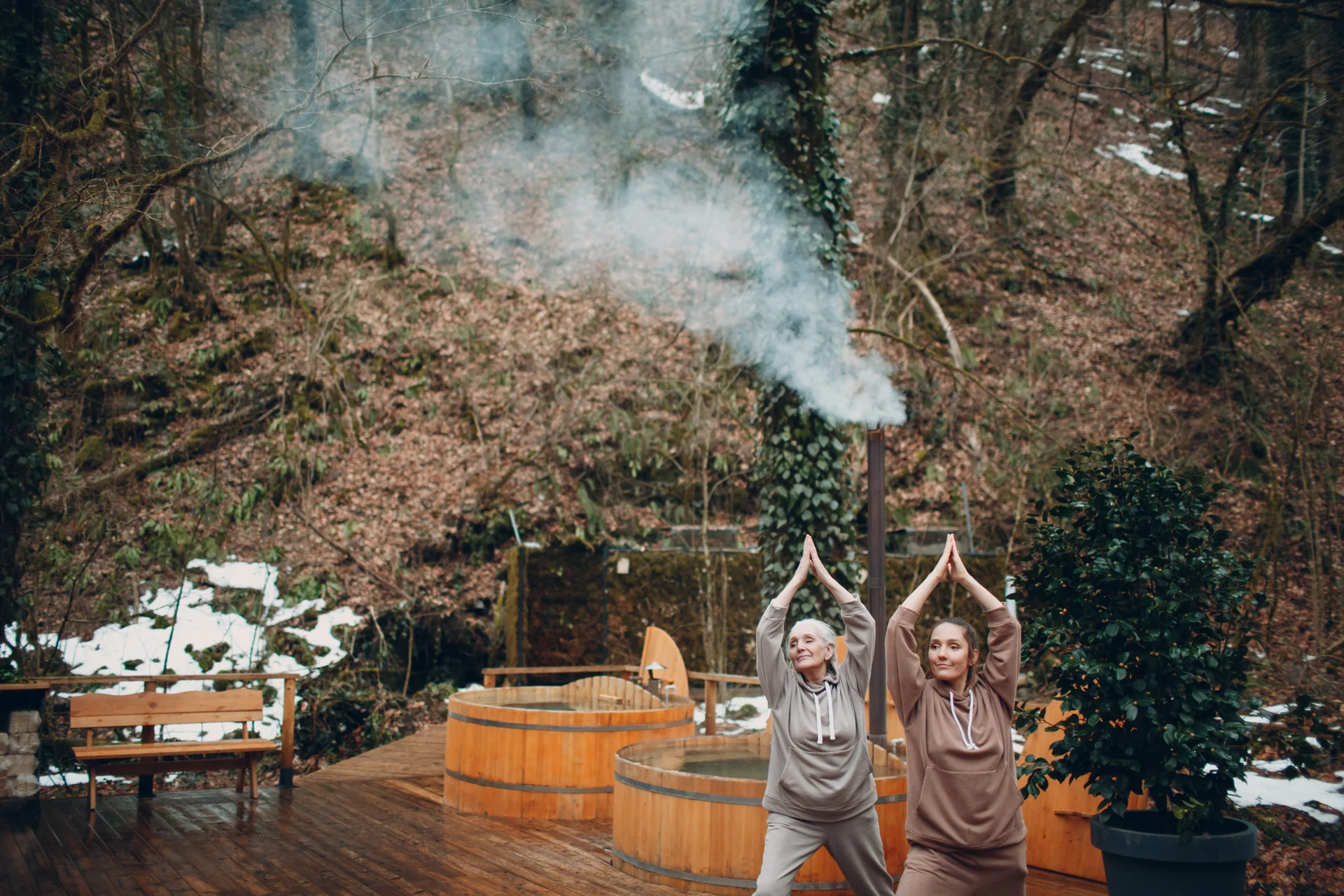
Hilton Hotels & Resorts is making a calculated move into Asia's wellness tourism segment with the debut of Hilton Quang Hanh Onsen Resort in Cam Pha, Quang Ninh province—marking the brand's third property in Vietnam and first onsen-style resort in Southeast Asia. Guests can expect a curated experience centered around the region's famed mineral-rich thermal waters, known for their therapeutic properties. Imagine sinking into steaming pools surrounded by lush greenery, the scent of local herbs filling the air. The resort offers a range of onsen experiences, from traditional communal baths to private soaking tubs with panoramic views. The gentle lapping of the bay's waves provides a constant soothing backdrop to your onsen experience. The global wellness tourism market reached $639 billion in 2023, according to the Global Wellness Institute, with thermal and mineral spring experiences accounting for roughly 6% of that segment. This opening arrives as Marriott International (Hilton's parent company) has committed to expanding its lifestyle portfolio across emerging Asian markets, where luxury wellness retreats command premium pricing and demonstrate stronger occupancy rates than traditional five-star hotels. The strategic question isn't whether thermal resorts work in Asia—they clearly do—but whether Hilton can establish authentic onsen positioning against entrenched Japanese competitors and local thermal operators.
Visitor Tips
To make the most of your visit to Hilton Quang Hanh Onsen Resort, consider these tips: **Best Time to Visit:** The dry season (October to April) offers the most pleasant weather for enjoying outdoor onsen experiences. **Pro Tips:** * Book onsen treatments in advance, especially during peak season. * Bring a swimsuit, although some onsen areas may be clothing-optional. * Hydrate regularly, as the thermal waters can be dehydrating. * Respect onsen etiquette; shower before entering the pools. **Save Money:** * Look for package deals that include accommodation and onsen access. * Consider visiting during the shoulder season (May or September) for lower rates.
How to Get There
Getting to Hilton Quang Hanh Onsen Resort is relatively straightforward, with multiple transportation options available: **Metro:** While Quang Ninh doesn't have a metro system, consider using the public bus system to reach Cam Pha city, then taking a taxi to the resort. The bus ride takes approximately 30 minutes and costs around 20,000 - 30,000 VND. **Taxi:** A taxi from Ha Long City to the resort takes approximately 45 minutes and costs around 400,000 - 500,000 VND. You can also book a taxi in advance through the resort's concierge service for an additional fee. **Car:** Driving from Hanoi to the resort takes approximately 3-4 hours. The route is well-maintained, and parking is available at the resort. Toll fees apply on the highway, costing approximately 150,000 VND each way. Alternatively, you can rent a car with a driver for a hassle-free journey.
Frequently Asked Questions
Frequently Asked Questions
- Why is Hilton opening a thermal resort in Vietnam rather than Japan or South Korea, where onsen culture is established?
- Vietnam's tourism is growing faster than mature Japanese markets, and Quang Ninh province's natural thermal springs represent an untapped asset with lower real estate costs than Japanese destinations. The Quang Hanh springs are known locally for their slightly sulfuric scent and purported healing properties, attracting Vietnamese seeking traditional remedies. Hilton is pursuing geographic arbitrage—authentic thermal experiences at lower operating costs than Japan, without competing directly against established Japanese operators. The move also aligns with Marriott's strategy to expand lifestyle brands in emerging Asian markets where penetration is lower and price sensitivity allows premium positioning.
- How does Hilton's onsen resort compete with Japanese brands like Okura and Four Seasons' thermal properties?
- Hilton competes on distribution and loyalty program integration rather than cultural authenticity. Marriott's Bonvoy program reaches over 200 million members globally—a scale advantage Japanese regional operators can't match. Imagine earning points while soaking in mineral-rich waters unique to the Quang Ninh region. However, on operational depth and cultural credibility, Japanese brands retain advantages. Hilton's competitive edge depends on whether it can deliver comparable onsen experience at lower rates, which may not be sustainable long-term without operational shortcuts that undermine the premise.
- What does the Quang Hanh Onsen opening signal about Marriott's broader Asia expansion strategy?
- It signals Marriott is pursuing lifestyle and wellness positioning as a growth lever in emerging markets where luxury markets are still developing. Rather than compete only on five-star amenities, Marriott is building experiences tied to geography and natural assets. Expect similar moves—thermal resorts, adventure hospitality, cultural heritage properties—across Vietnam, Thailand, and Indonesia over the next three years, particularly under Hilton, Autograph, and newer lifestyle banners.
- Could this property face occupancy challenges if guests perceive it as inauthentic onsen experience?
- Yes. Online travel agencies and luxury review platforms have educated affluent travelers on onsen authenticity standards. If Hilton Quang Hanh Onsen delivers substandard thermal facilities or fails on cultural details, occupancy and average daily rate will suffer relative to competitors. Chinese travelers—a key demographic—have extensive experience with authentic thermal resorts and will make quality distinctions. Negative reviews on Xiaohongshu or TripAdvisor (where Chinese travelers are highly active) could significantly impact regional performance.
- Does Vietnam's government support thermal tourism development through policy or infrastructure investment?
- Vietnam's National Tourism Administration has identified wellness and spa tourism as a growth sector, and Quang Ninh province offers tax incentives for tourism development. However, formal onsen regulation remains underdeveloped—Vietnam has no official standards for thermal water sourcing or mineral classification comparable to Japan's oversight. This creates operational freedom but also risks, as water quality issues could trigger regulatory intervention.