Hong Kong’s Hottest Spanish Restaurants & Tapas Bars
Hong Kong has long been a melting pot of global flavors, but few cuisines have captured the city’s imagination quite like Spanish food. Over the past three years, the number of Spanish restaurants and
Hong Kong has long been a melting pot of global flavors, but few cuisines have captured the city’s imagination quite like Spanish food. Over the past three years, the number of Spanish restaurants and tapas bars has surged by 35%, according to a 2025 report by The Economist. This boom is fueled by a 15% rise in tourism, with food lovers flocking to the city to experience its vibrant culinary scene. But what makes Spanish cuisine so irresistible to Hong Kong diners? Is it the communal joy of sharing tapas, the bold flavors of paella, or the allure of renowned chefs like Rafa Gil? This article delves into the factors behind this trend, offering insights into the sensory delights, practical tips, and honest limitations of dining Spanish in Hong Kong. Whether you're a local foodie or a visiting traveler, prepare to embark on a flavorful journey through the city’s most exciting culinary wave.

What to Expect
Stepping into a Spanish restaurant in Hong Kong is like being transported to the bustling streets of Barcelona or Madrid. The air is filled with the rich aroma of garlic, smoked paprika, and sizzling seafood, mingling with the lively chatter of diners. As you settle into your seat, the warm glow of terracotta tiles and rustic wooden tables creates an inviting atmosphere, while the clatter of plates and the occasional burst of laughter from neighboring tables add to the vibrant energy. The menu is a feast for the senses—crispy patatas bravas with a smoky tomato sauce, tender octopus drizzled in olive oil, and golden paella brimming with saffron-infused rice. Each dish is designed to be shared, encouraging conversation and connection. The sound of a cork popping from a bottle of Rioja or the fizz of a glass of cava being poured heightens the anticipation, making every bite and sip an experience to remember. Whether you're indulging in a late-night tapas crawl or a leisurely weekend brunch, Spanish dining in Hong Kong promises a symphony of flavors, textures, and sounds that linger long after the meal is over.
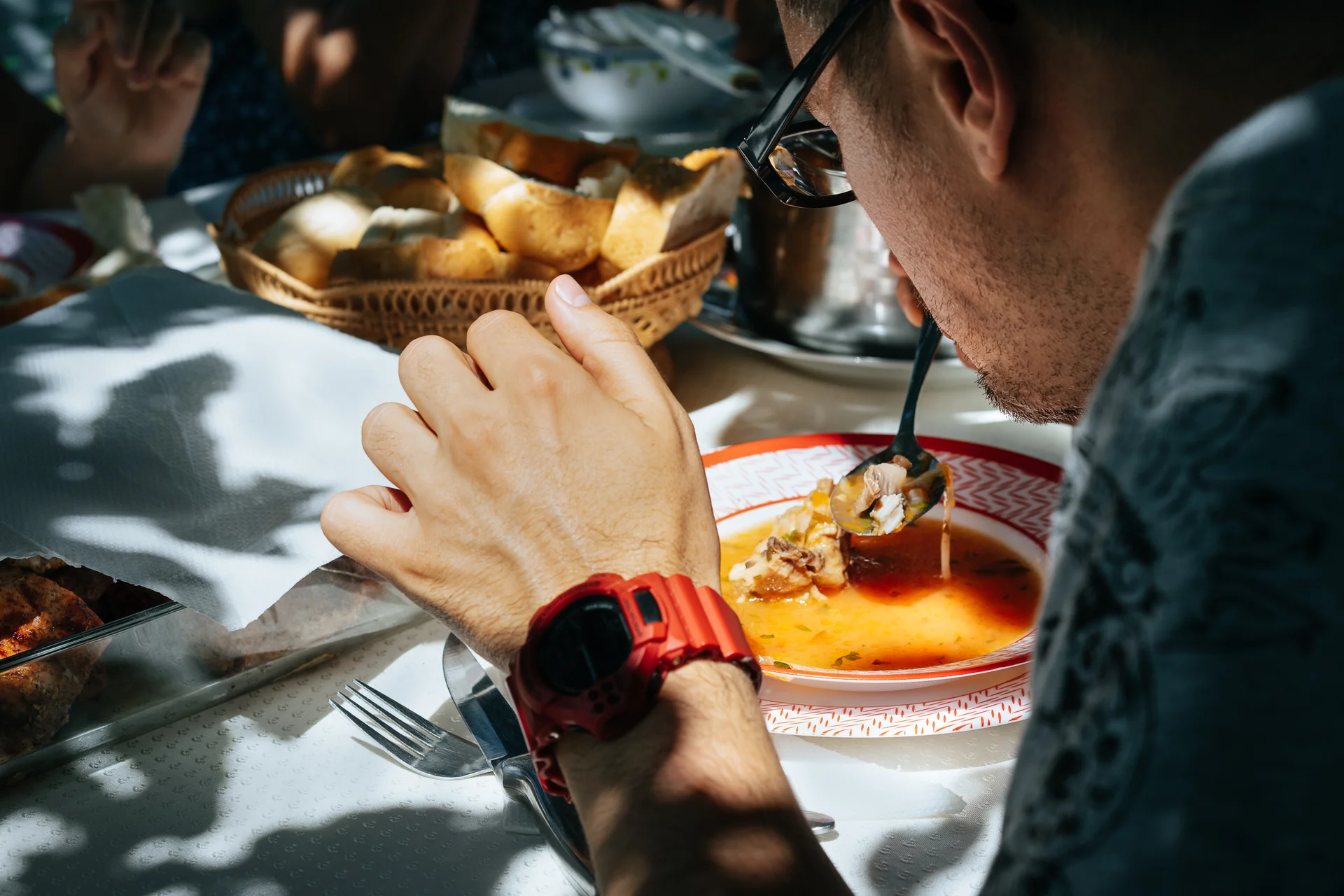
Hong Kong's culinary scene is renowned for its diversity, and Spanish eateries are making big waves. According to a 2025 report by The Economist, Spanish cuisine saw a 35% increase in citywide openings over the last three years. With tourism set to rise 15% this year, driven by culinary tourism, it’s no surprise that Hong Kong’s tapas bars and Spanish restaurants are thriving. This analysis explores why these establishments have gained prominence, what diners can expect from the experience, and the broader implications for the local dining landscape. From the sizzle of chorizo on the grill to the clink of sangria glasses, Spanish cuisine is reshaping Hong Kong’s gastronomic identity.
Visitor Tips
How to Get There
Frequently Asked Questions
Frequently Asked Questions
- What factors have contributed to the rise of Spanish cuisine in Hong Kong?
- The rise of Spanish cuisine in Hong Kong can be attributed to several key factors. First, the tapas culture aligns perfectly with the city’s love for shared dining experiences, allowing diners to sample a variety of dishes in one sitting. Second, renowned chefs like Rafa Gil have elevated the culinary standards, attracting food enthusiasts eager for authentic flavors. Additionally, the influx of Spanish expatriates and the growing interest in global cuisines among locals have created a robust demand. The 35% increase in Spanish restaurant openings over the past three years, as reported by The Economist, underscores this trend’s momentum.
- How do Spanish restaurants in Hong Kong handle operational costs?
- Operating a Spanish restaurant in Hong Kong comes with unique challenges, particularly high real estate costs and the expense of importing authentic ingredients. To mitigate these, many restaurants adopt a hybrid approach, blending traditional Spanish dishes with locally sourced ingredients. For example, some eateries use Hong Kong-grown seafood in their paella or incorporate Asian spices into their tapas. Others focus on cost-effective menu items like tortilla española or pan con tomate to keep prices competitive. Additionally, strategic locations in less expensive neighborhoods or shared commercial spaces help reduce overheads.
- Why are consumers in Hong Kong drawn to Spanish dining experiences?
- Spanish dining offers a unique blend of culinary and social appeal that resonates deeply with Hong Kong’s dynamic food culture. The tapas culture encourages interaction and sharing, making it ideal for group outings and celebrations. The bold, vibrant flavors of Spanish cuisine—from the smokiness of chorizo to the freshness of gazpacho—provide a refreshing contrast to the city’s dominant Cantonese and international cuisines. Moreover, the relaxed, convivial atmosphere of Spanish restaurants, often accompanied by live music or flamenco performances, creates an immersive experience that appeals to both locals and tourists seeking a taste of Spain without leaving Hong Kong.
- Will the trend of Spanish cuisine in Hong Kong continue to grow?
- While Spanish cuisine is currently thriving in Hong Kong, its long-term growth depends on several factors. Market saturation could slow the pace of new openings, especially if diners’ preferences shift toward other emerging cuisines. Economic fluctuations, such as rising ingredient costs or a downturn in tourism, may also impact profitability. However, the adaptability of Spanish restaurants—such as incorporating local flavors or offering unique dining experiences—could sustain their popularity. For now, the trend shows no signs of slowing, but its future will hinge on how well these establishments innovate and respond to changing consumer demands.
- What impact has the rise of Spanish eateries had on Hong Kong's culinary identity?
- The rise of Spanish eateries has significantly enriched Hong Kong’s culinary identity by introducing new flavors, dining concepts, and cultural experiences. The success of tapas bars and Spanish restaurants has encouraged local chefs to experiment with fusion dishes, blending Spanish techniques with Cantonese ingredients. This cross-pollination of culinary traditions has led to innovative offerings, such as dim sum with a Spanish twist or Iberico pork char siu. Furthermore, the popularity of Spanish cuisine has inspired other international cuisines to innovate, contributing to a broader evolution of Hong Kong’s dining scene. Ultimately, it has positioned the city as a global culinary hub where tradition and innovation coexist.