Koningsdag Amsterdam 2026: de ultieme guide met 22 events, festivals & cafés
Koningsdag, or King’s Day, is Amsterdam’s most exhilarating celebration, a day when the entire city dons orange and erupts into a joyous, chaotic festival of music, markets, and merriment. Held annual
Koningsdag, or King’s Day, is Amsterdam’s most exhilarating celebration, a day when the entire city dons orange and erupts into a joyous, chaotic festival of music, markets, and merriment. Held annually on April 27th (or April 26th if the 27th falls on a Sunday), this national holiday honors King Willem-Alexander’s birthday with a spectacle that blends Dutch tradition and modern revelry. Over 700,000 visitors flock to Amsterdam, turning its iconic canals, parks, and streets into a vibrant playground. The economic impact is staggering—€300 million in tourism revenue in 2025 alone—fueling local businesses from boutique hotels to street food vendors. But Koningsdag is more than just numbers; it’s a sensory overload of sights, sounds, and flavors. Imagine the clinking of beer glasses in bustling beer gardens, the rhythmic beats of DJs spinning tracks in Dam Square, the aroma of freshly baked poffertjes drifting from food stalls, and the laughter of children hunting for treasures at the vrijmarkt (free market). For 2026, the city has curated 22 events, from grand-scale festivals like the Orange Festival at Museumplein to hidden gems like jazz performances in cozy cafés. Whether you’re a first-time visitor or a seasoned attendee, this guide will help you navigate the festivities, avoid the crowds, and experience the magic of Koningsdag like a true Amsterdammer.

What to Expect
Koningsdag in Amsterdam is a feast for the senses, a day where the city’s usual charm is amplified into a whirlwind of color, sound, and energy. As you step into the streets, you’ll be greeted by a sea of orange—hats, wigs, face paint, and even entire outfits in the national color, creating a visual spectacle that’s both surreal and infectious. The air hums with the sounds of live music: brass bands marching through the streets, DJs spinning electronic beats in open-air stages, and the occasional accordion player serenading passersby with traditional Dutch tunes. The scent of street food is inescapable: the sweet, caramelized aroma of stroopwafels cooking on griddles, the savory richness of bitterballen frying in hot oil, and the smoky tang of barbecued snacks wafting from food stalls. Touch plays a role too—whether it’s the cool metal of a canal bridge railing as you lean over to watch boats decked in orange flags, or the sticky residue of spilled beer on your hands after cheering at a concert. The vrijmarkt, or free market, is a highlight, where locals sell everything from vintage records to handmade crafts, their stalls lining the streets like a giant, impromptu flea market. For those seeking a break from the crowds, the city’s parks offer a quieter escape, with families picnicking under the trees and children playing games. By evening, the energy shifts as the parties move indoors or to waterfront venues, where fireworks light up the sky over the IJ River, reflecting off the water in a dazzling display. Koningsdag is a marathon, not a sprint, so pace yourself—hydrate, wear comfortable shoes, and let the city’s infectious joy carry you through the day.
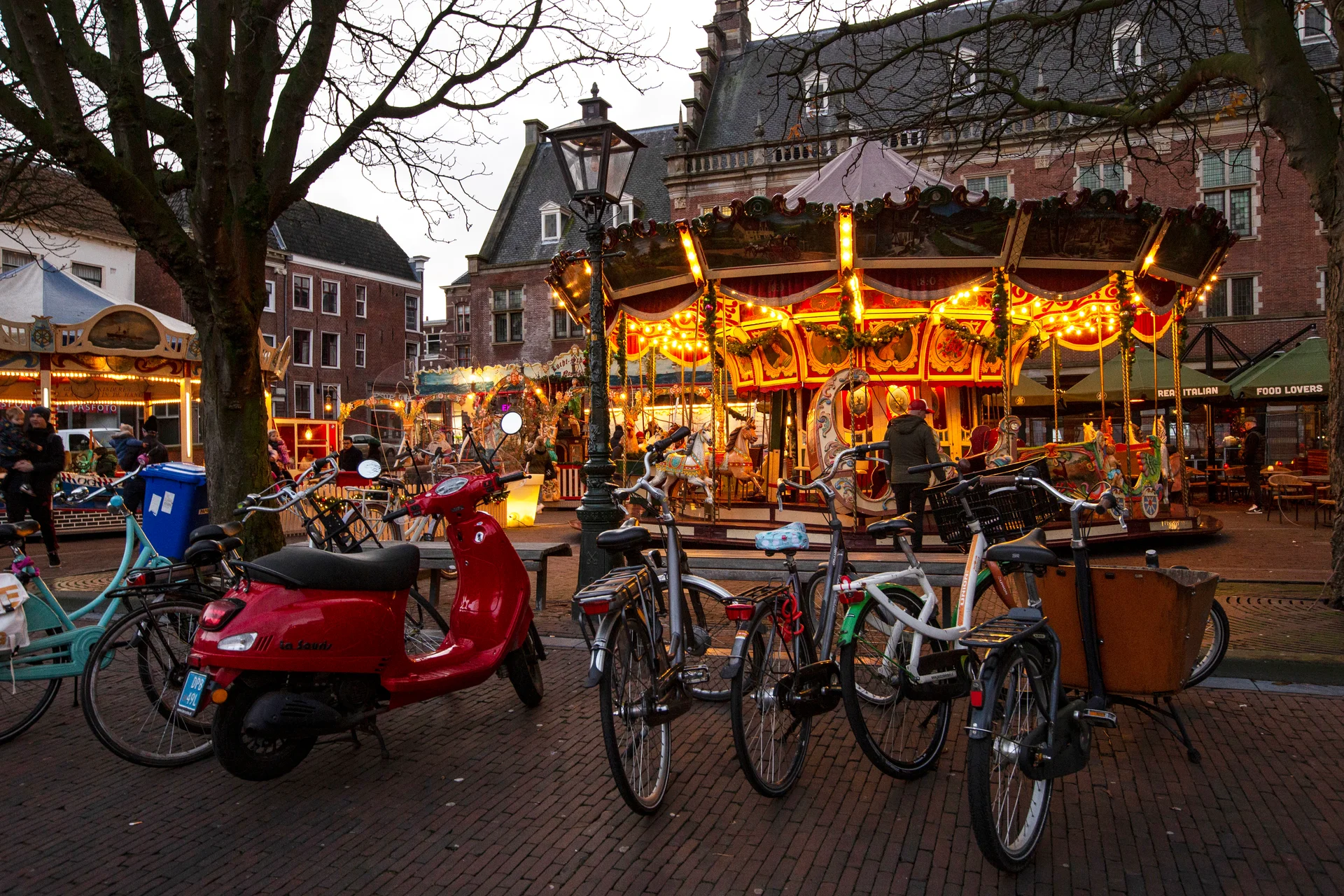
Koningsdag, or King's Day, in Amsterdam ranks among the most celebrated events in the Netherlands, drawing over 700,000 visitors annually. According to Amsterdam's official statistics, festival attendees generated approximately €300 million in tourism revenue in 2025 alone, making it a crucial economic driver for the city. This year's event promises even more with 22 events scheduled, ranging from grand festivals along the Amstel River to intimate café performances in the Jordaan district. The streets transform into a sea of orange, with live music echoing through the canals, the scent of stroopwafels and bitterballen filling the air, and the vibrant energy of locals and tourists alike creating an unforgettable atmosphere. A detailed guide to navigating 2026's festivities is not just beneficial—it's essential, as the city balances tradition with modern innovations like eco-friendly initiatives and real-time crowd management apps.
Visitor Tips
How to Get There
Frequently Asked Questions
Frequently Asked Questions
- How does Koningsdag benefit Amsterdam economically?
- Koningsdag is a powerhouse for Amsterdam’s economy, injecting an estimated €300 million annually into local businesses. Hotels, restaurants, and shops see a surge in revenue, with many reporting their highest sales of the year. The event also creates temporary jobs, from event staff to security personnel, providing a boost to the labor market. However, the economic benefits extend beyond the day itself—many visitors extend their stays to explore Amsterdam’s museums, canals, and cultural attractions, further supporting the tourism sector. According to a 2025 report by the Amsterdam Tourism Board, 60% of Koningsdag attendees visit at least one other attraction during their trip, amplifying the event’s long-term economic impact.
- Why are some residents concerned about Koningsdag?
- While Koningsdag is beloved by many, some Amsterdam residents express concerns about its impact on daily life. Noise pollution is a major issue, with loud music and crowds often lasting until the early hours of the morning, disrupting sleep for those living near event hotspots. Overcrowding is another challenge, as public transport and streets become overwhelmed, making it difficult for locals to commute or run errands. Additionally, the influx of visitors leads to increased litter and vandalism, straining the city’s cleanup resources. To address these concerns, Amsterdam has decentralized events, spreading celebrations across neighborhoods like De Pijp and Amsterdam-Noord to distribute the crowds more evenly and reduce pressure on the city center.
- What is new for Koningsdag 2026?
- Koningsdag 2026 introduces several exciting innovations to enhance sustainability and visitor experience. The city is rolling out eco-friendly initiatives, such as biodegradable cups and cutlery at food stalls, and a ban on single-use plastics at major events. A new real-time crowd management app will provide live updates on wait times, road closures, and event schedules, helping visitors navigate the festivities more efficiently. For the first time, a dedicated ‘Orange Route’ will guide attendees through the city’s highlights, from the vrijmarkt in the Jordaan to the Orange Festival at Museumplein. Additionally, Amsterdam is partnering with local artists to create interactive installations, blending tradition with modern artistry. These changes reflect the city’s commitment to balancing celebration with responsibility.
- How do cultural events impact local businesses?
- Cultural events like Koningsdag are a double-edged sword for local businesses. On one hand, they drive significant revenue—restaurants, bars, and shops often see a 30–50% increase in sales during the event. Many businesses hire extra staff or extend their hours to capitalize on the influx of visitors. However, the logistical challenges can be daunting. Road closures and overcrowding may deter some customers, while increased foot traffic can lead to longer wait times and service delays. Safety is another concern, as large crowds can create opportunities for theft or vandalism. To mitigate these issues, the city works closely with business owners to provide security support and promote lesser-known areas, ensuring that the economic benefits are spread across the city rather than concentrated in a few hotspots.