Los Angeles’s Bar Problem Is Sprawl
Picture this: It’s 11 PM on a Friday in Los Angeles. In New York, you could stumble from a speakeasy in the East Village to a rooftop bar in SoHo in under 10 minutes. In LA? You’re staring at a 45-min
Picture this: It’s 11 PM on a Friday in Los Angeles. In New York, you could stumble from a speakeasy in the East Village to a rooftop bar in SoHo in under 10 minutes. In LA? You’re staring at a 45-minute Uber ride from Mírate’s mezcal cocktails in Fairfax to Daisy’s tropical tiki drinks in Venice. The city’s sprawl isn’t just an inconvenience—it’s reshaping its nightlife. LA’s bar scene thrives in pockets: the neon-lit dive bars of Koreatown, where karaoke echoes until 2 AM; the beachfront lounges of Santa Monica, where the sound of crashing waves competes with DJ sets; and the underground cocktail dens of Downtown, hidden behind unmarked doors. But these gems are islands in a sea of freeways, forcing patrons to choose between a single destination or a costly, time-consuming bar crawl. With only two bars making the 2026 Best Bars list, the city’s geography is undeniably shaping its nightlife—limiting its global recognition and testing the loyalty of even the most dedicated bar-hoppers.

What to Expect
As you explore LA's bar scene, you’ll step into a world where each neighborhood offers a distinct vibe. In Silverlake, the trendy, dimly lit spots like The Black Cat feature live indie bands and craft cocktails served in vintage glassware, the air thick with the scent of aged whiskey and espresso martinis. Hollywood’s historic watering holes, such as Musso & Frank Grill, transport you to Old Hollywood with their red leather booths, the clink of ice in classic martinis, and the murmur of industry insiders swapping stories. Meanwhile, Downtown’s Arts District bars, like Death & Co, dazzle with their moody lighting, the hum of conversation blending with the clatter of shakers, and the aroma of smoked bitters and citrus. The city’s sprawl means you’ll spend time commuting, but each bar offers a unique sensory experience—whether it’s the salt-tinged breeze at a beachfront lounge in Venice or the neon glow of a Koreatown karaoke bar where the walls pulse with K-pop beats. Expect to encounter everything from live jazz and trivia nights to experimental cocktail menus and gourmet food pairings, all reflecting LA’s eclectic culture.
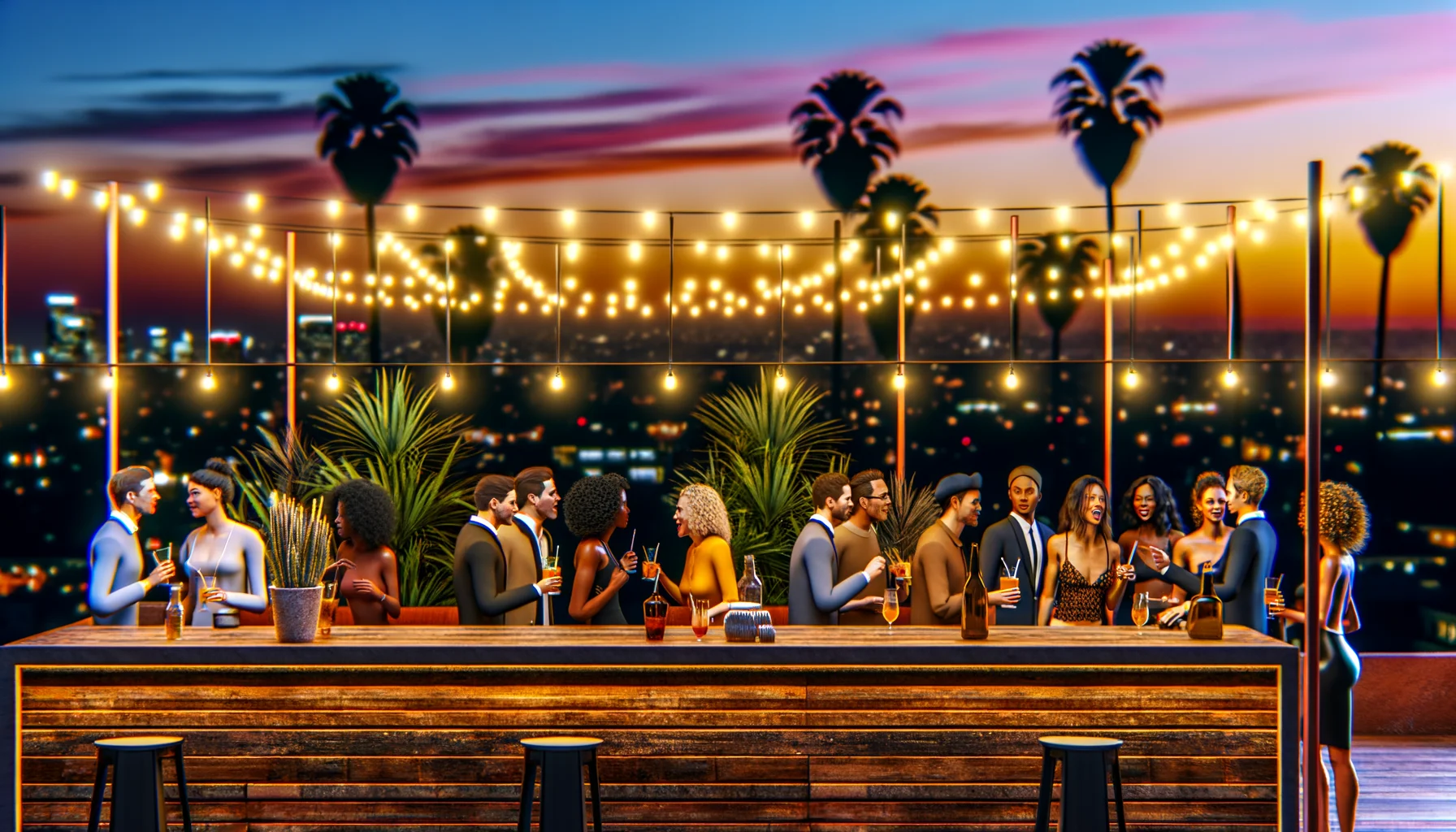
Los Angeles's bar scene faces a unique challenge: its sprawling geography. While cities like New York boast 13 bars within a single square mile on North America's 50 Best Bars list for 2026, Los Angeles has only two entries—Mírate in the Fairfax District and Daisy in Venice—separated by a 30-minute drive during off-peak hours. According to data from the World’s 50 Best Bars organization, this dispersal significantly impacts recognition and customer traffic. For example, Mírate’s proximity to The Grove shopping center drives foot traffic, while Daisy relies on Venice’s tourist-heavy boardwalk. The implications extend beyond awards, affecting local business sustainability and community engagement. Case studies from the Los Angeles Economic Development Corporation show that bars in walkable neighborhoods like Downtown’s Arts District report 40% higher revenue than those in car-dependent areas. Understanding how sprawl affects bar proliferation in LA is essential for comprehending its broader economic and cultural landscape.
Visitor Tips
How to Get There
Getting around LA’s sprawling bar scene requires some planning, but several options can make your night out smoother. **By Metro:** LA’s Metro system is an affordable way to reach key nightlife hubs. The Red Line runs from Downtown to Hollywood, stopping near bars in Koreatown (Wilshire/Vermont station) and Hollywood (Hollywood/Highland station). The Expo Line connects Downtown to Santa Monica, with stops near bars in Culver City and Venice. A single ride costs $1.75, and a day pass is $7. **By Taxi:** Traditional taxis are available but less common than ride-sharing services. Expect to pay around $25–$40 for a ride from Downtown to Hollywood or Santa Monica, depending on traffic. **By Car:** Driving is often the most convenient option, but parking can be a challenge. Many bars in Hollywood and Downtown offer valet parking for $10–$20, while street parking is free but limited—arrive early or be prepared to circle the block. Parking lots typically charge $5–$15 for a few hours. **By Ride-Sharing:** Uber and Lyft are widely available and often the most convenient option. A ride from Downtown to Hollywood costs around $15–$25, while a trip to Santa Monica or Venice can run $25–$40. For groups, splitting a ride can be cost-effective. **By Bike:** If you’re staying in a bike-friendly area like Santa Monica or Venice, consider renting a bike from companies like Lime or Bird. Many bars in these neighborhoods have bike racks, and the beachfront bike path offers a scenic route to bars along the coast.
Frequently Asked Questions
Frequently Asked Questions
- What challenges do LA bars face due to sprawl?
- LA's sprawling geography leads to fewer walkable bar clusters, reducing foot traffic and recognition. Unlike dense bar hubs in New York or Mexico City, LA’s isolation prevents bars from benefiting from shared consumer traffic, crucial for economic success. For example, bars in Downtown’s Arts District see higher revenue due to proximity to other attractions, while those in car-dependent areas like Studio City struggle to attract consistent crowds. This results in higher operational costs, as bars must invest more in marketing and transportation incentives to draw patrons.
- How do guest shifts benefit LA bars, and why are they rare?
- Guest shifts—where bartenders from other cities or countries work temporarily at a bar—can elevate a bar’s profile by introducing new techniques, ingredients, and clientele. In cities like London or Tokyo, guest shifts are common and often lead to international recognition. However, LA’s sprawl makes it logistically difficult for bartenders to travel between bars, limiting collaboration. Additionally, the city’s high cost of living and competitive market discourage bars from investing in guest shifts, which can be expensive and time-consuming to organize.
- How does bar isolation affect staffing and operations?
- Bar isolation in LA creates staffing challenges, as employees often face long commutes, leading to higher turnover rates. For example, a bartender working in Santa Monica may spend over an hour commuting from the San Fernando Valley, increasing fatigue and reducing job satisfaction. Additionally, bars in isolated areas struggle to attract top talent, as industry professionals prefer working in denser, more accessible neighborhoods. Operationally, isolated bars also face higher delivery costs for supplies and ingredients, further straining their budgets.
- What urban planning solutions could improve LA’s bar scene?
- Urban planning could mitigate LA’s sprawl by prioritizing mixed-use developments and improved transit. For instance, the city’s Transit-Oriented Communities (TOC) program incentivizes developers to build housing and commercial spaces near transit hubs, creating walkable bar districts. The Arts District’s transformation from an industrial zone to a nightlife hub is a prime example of how zoning changes can foster bar proliferation. Additionally, expanding bike lanes and pedestrian-friendly streets—like those in Downtown’s Historic Core—could make bar-hopping safer and more enjoyable. Comparisons to cities like Portland, where urban growth boundaries have concentrated nightlife in walkable areas, highlight the potential for LA to adopt similar strategies.