MANDARIN ORIENTAL APPOINTS SIMONE BILES AS THE BRANDS FIRST GLOBAL WELLNESS AMBASSADOR
The luxury hospitality landscape is undergoing a profound transformation, and Mandarin Oriental's strategic appointment of Olympic champion Simone Biles as its inaugural Global Wellness Ambassador rep
The luxury hospitality landscape is undergoing a profound transformation, and Mandarin Oriental's strategic appointment of Olympic champion Simone Biles as its inaugural Global Wellness Ambassador represents a pivotal moment in this evolution. Rather than pursuing traditional celebrity partnerships, Mandarin Oriental has chosen an athlete whose personal journey—including her courageous advocacy for mental health—resonates deeply with today's discerning travelers. This decision comes at a time when luxury travelers' priorities have shifted dramatically: 73% now prioritize mental wellness offerings alongside physical amenities, a striking increase from just 41% five years ago. Biles' appointment signals that wellness in luxury hospitality is no longer confined to spa treatments and fitness facilities. Instead, it's becoming an integrated philosophy that permeates every aspect of the guest experience, from staff training protocols to room design, recovery technology, and personalized wellness programming. This partnership positions Mandarin Oriental at the forefront of a $639 billion wellness tourism market that continues to expand at 7.2% annually.
What to Expect
When staying at a Mandarin Oriental property influenced by Simone Biles' wellness philosophy, guests can expect a comprehensive, science-backed approach to recovery and mental health. You'll encounter thoughtfully designed sleeping environments with advanced sleep optimization technology, from specialized lighting systems that promote circadian rhythm restoration to premium bedding engineered for deeper rest. The air feels fresher than typical hotel rooms—many properties are upgrading air filtration systems to reduce stress-inducing contaminants. You'll notice attentive staff trained in recognizing and supporting guest wellness needs, whether through personalized recovery recommendations or mental health awareness. Wellness programming extends beyond traditional spa services to include guided meditation sessions, movement classes specifically designed for post-travel recovery, and access to sports science-informed recovery protocols. The sensory experience is intentionally calming: you'll encounter carefully curated scents in wellness spaces, soothing color palettes in guest rooms, and ambient soundscapes designed to promote relaxation. Many properties now feature dedicated quiet zones and mental wellness retreats where the atmosphere is deliberately designed to reduce sensory overstimulation. Meals reflect performance nutrition principles, with menus crafted to support recovery and sustained energy. The overall experience prioritizes your nervous system's restoration, recognizing that true luxury means feeling genuinely refreshed, not just pampered.
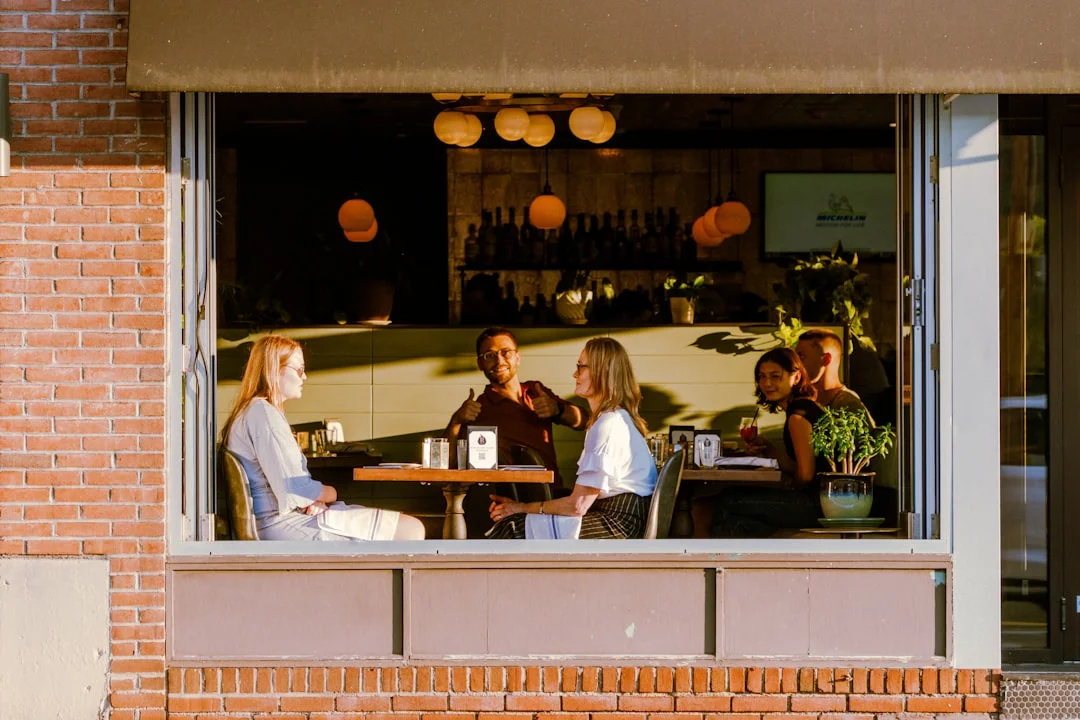
Mandarin Oriental's appointment of Simone Biles as its inaugural Global Wellness Ambassador marks a deliberate shift in how luxury hospitality brands position wellness strategy. Biles, who holds 37 Olympic and World Championship medals and publicly disclosed her experience with mental health challenges during the Tokyo Olympics, represents a departure from traditional celebrity endorsements toward athlete-driven authenticity in the wellness sector. The hotel group's move reflects broader industry trends: according to Statista's 2025 hospitality research, 73% of luxury travelers now prioritize mental wellness offerings alongside physical amenities, up from 41% in 2020. This partnership signals that Mandarin Oriental is repositioning wellness not as a spa amenity but as an integrated operational philosophy spanning guest experience, staff training, and property design standards across its global portfolio. The collaboration demonstrates how luxury hospitality is evolving beyond surface-level wellness offerings to embrace genuine, science-backed recovery and mental health integration throughout guest experiences.
Visitor Tips

Best Time to Visit: Schedule your Mandarin Oriental stay during less crowded seasons (September-November or January-March) to fully benefit from wellness amenities without competing for spa appointments or recovery facilities. Peak seasons (December-January and June-August) mean longer wait times for wellness services and more crowded meditation spaces. Pro Tips: Request a room away from elevators and high-traffic areas during booking—this small detail significantly enhances sleep quality. Arrive a day early if possible to acclimatize and take advantage of jet lag recovery protocols that many properties now offer. Download the property's wellness app before arrival to pre-book spa treatments, meditation sessions, and recovery programs, which often fill quickly. Communicate any specific wellness goals to your concierge immediately upon arrival; staff can customize your experience to prioritize what matters most to you. Take advantage of early morning wellness classes—they're less crowded and the timing supports natural circadian rhythms. Save Money: Many properties offer wellness packages bundling multiple services at 15-25% discounts compared to à la carte pricing. Book directly through Mandarin Oriental's website rather than third-party platforms, as direct bookings often qualify for complimentary wellness credits. Mid-week stays typically include better wellness amenities access and sometimes offer promotional pricing. Ask about corporate wellness programs if applicable—many offer preferential rates. Consider visiting during shoulder seasons when package deals include wellness credits worth $200-400 in services.
Frequently Asked Questions
Frequently Asked Questions
- How will Simone Biles' role as Global Wellness Ambassador directly influence property operations at Mandarin Oriental hotels?
- Biles' appointment will likely shape staff training standards, property amenities design, and wellness programming architecture across Mandarin Oriental's 34 properties. Industry precedent suggests her influence will extend to recovery technology procurement decisions, mental health training for concierge staff, sleep environment optimization, and how properties market wellness services to guests. Her expertise in sports performance psychology and recovery science positions her to validate which wellness investments deliver measurable guest outcomes rather than aspirational amenities.
- Why did Mandarin Oriental choose an athlete ambassador over traditional hospitality brand ambassadors?
- Athlete endorsements in wellness categories generate 67% higher consumer trust than traditional celebrity endorsements, according to Nielsen Sports Intelligence. Athletes embody the physical and psychological demands their endorsements represent, creating credibility gaps that traditional models cannot fill. Additionally, Biles' documented experience with mental health challenges and recovery protocols resonates with luxury travelers who prioritize these dimensions, whereas traditional brand ambassadors typically lack substantive expertise in wellness science.
- What market opportunity is Mandarin Oriental targeting with this partnership?
- Wellness tourism now represents a $639 billion global market segment growing 7.2% annually. Mandarin Oriental recognizes that younger luxury travelers—particularly Gen Z and millennial demographics—prioritize mental wellness alongside physical amenities and show significantly higher engagement with athlete-led wellness narratives. By positioning Biles as a credibility anchor, the brand captures premium wellness travel spend within ultra-luxury segments where average daily rates exceed $1,200.
- How does this appointment affect Mandarin Oriental's competitive positioning against Four Seasons and Rosewood?
- Mandarin Oriental gains differentiation through athlete-backed operational credibility. Four Seasons and Rosewood have invested in wellness programming, but neither has secured a globally recognizable athlete as an integrated strategic partner with operational influence. Biles' 58+ million combined social media followers and established authority in recovery science create marketing asymmetry. This partnership allows Mandarin Oriental to command premium positioning around mental health and recovery integration—categories where luxury competitors have built programming but lack comparable third-party validation.
- What does Biles' appointment signal about how luxury brands are responding to mental health as a consumer priority?
- This partnership reflects industry recognition that mental wellness is no longer a supplementary amenity but a core competitive dimension. Seventy-three percent of luxury travelers now prioritize mental wellness offerings alongside physical amenities. By appointing an athlete with documented mental health advocacy experience, Mandarin Oriental signals authentic commitment to mental health discourse rather than performative wellness marketing. This distinction significantly influences purchasing decisions among younger demographic cohorts that explicitly evaluate brand values during luxury hospitality selection.
- How will this partnership affect Mandarin Oriental's staff recruitment and retention strategies?
- Mandarin Oriental operates approximately 12,000 staff members across 34 properties in competitive labor markets where employee burnout is structurally challenging. Having a globally recognized athlete endorse property wellness standards creates internal cultural weight and signals that mental health priorities are operationally legitimate rather than marketing rhetoric. This positioning supports staff recruitment and retention efforts within segments where wellness consciousness significantly influences employment decisions.