Mega Guide: 24 Best Places To See Cherry Blossoms in Tokyo
Tokyo’s cherry blossom season is a breathtaking spectacle that transforms the city into a living canvas of pink and white, drawing millions of visitors from around the globe. The 2026 bloom cycle is e
Tokyo’s cherry blossom season is a breathtaking spectacle that transforms the city into a living canvas of pink and white, drawing millions of visitors from around the globe. The 2026 bloom cycle is expected to peak between late March and early April, with central Tokyo’s trees blossoming earlier than ever due to rising temperatures. As you wander through the city’s parks and riversides, you’ll be enveloped in a sensory symphony: the delicate fragrance of sakura petals, the cheerful chatter of hanami (flower-viewing) parties, and the soft crunch of petals underfoot. This annual phenomenon is more than just a natural event—it’s a cultural cornerstone that shapes Tokyo’s identity, economy, and urban landscape. From the historic significance of Ueno Park, where cherry blossom viewing dates back to the Edo period, to the modern allure of the Meguro River, lined with trendy cafes and illuminated trees, each location offers a unique experience. However, the sheer volume of visitors—2.8 million domestic and 1.2 million international tourists—poses challenges for infrastructure, environmental sustainability, and crowd management. This guide explores 24 of Tokyo’s most notable cherry blossom sites, delving into their history, visitor dynamics, and the delicate balance between tradition and tourism in one of the world’s most vibrant cities.

What to Expect
Stepping into Tokyo during cherry blossom season is like entering a dream woven from delicate pink petals and golden spring sunlight. As you approach Ueno Park, the air hums with excitement—families spreading blue tarps for picnics, groups of friends laughing over cans of Asahi beer, and the occasional strum of a guitar drifting from beneath the trees. The scent of sakura mochi, sweet and floral, mingles with the smoky aroma of yakitori skewers grilling at nearby stalls. The trees themselves create a living tunnel, their branches heavy with blossoms that filter the sunlight into a soft, ethereal glow. Along the Meguro River, the scene shifts to a more modern vibe: couples strolling hand-in-hand, influencers posing for photos with the illuminated trees, and the gentle sound of water lapping against the riverbanks. At night, the atmosphere transforms as paper lanterns cast a warm, golden light over the blossoms, and the distant chatter of izakaya patrons blends with the occasional clink of glasses. In quieter spots like Hibiya Park, the experience is more introspective—the rustle of leaves, the distant chirp of birds, and the occasional whisper of petals falling like snow. Whether you’re battling crowds at Shinjuku Gyoen or discovering a hidden shrine in Yanaka, the sensory overload of sights, sounds, and smells makes cherry blossom season an unforgettable journey.
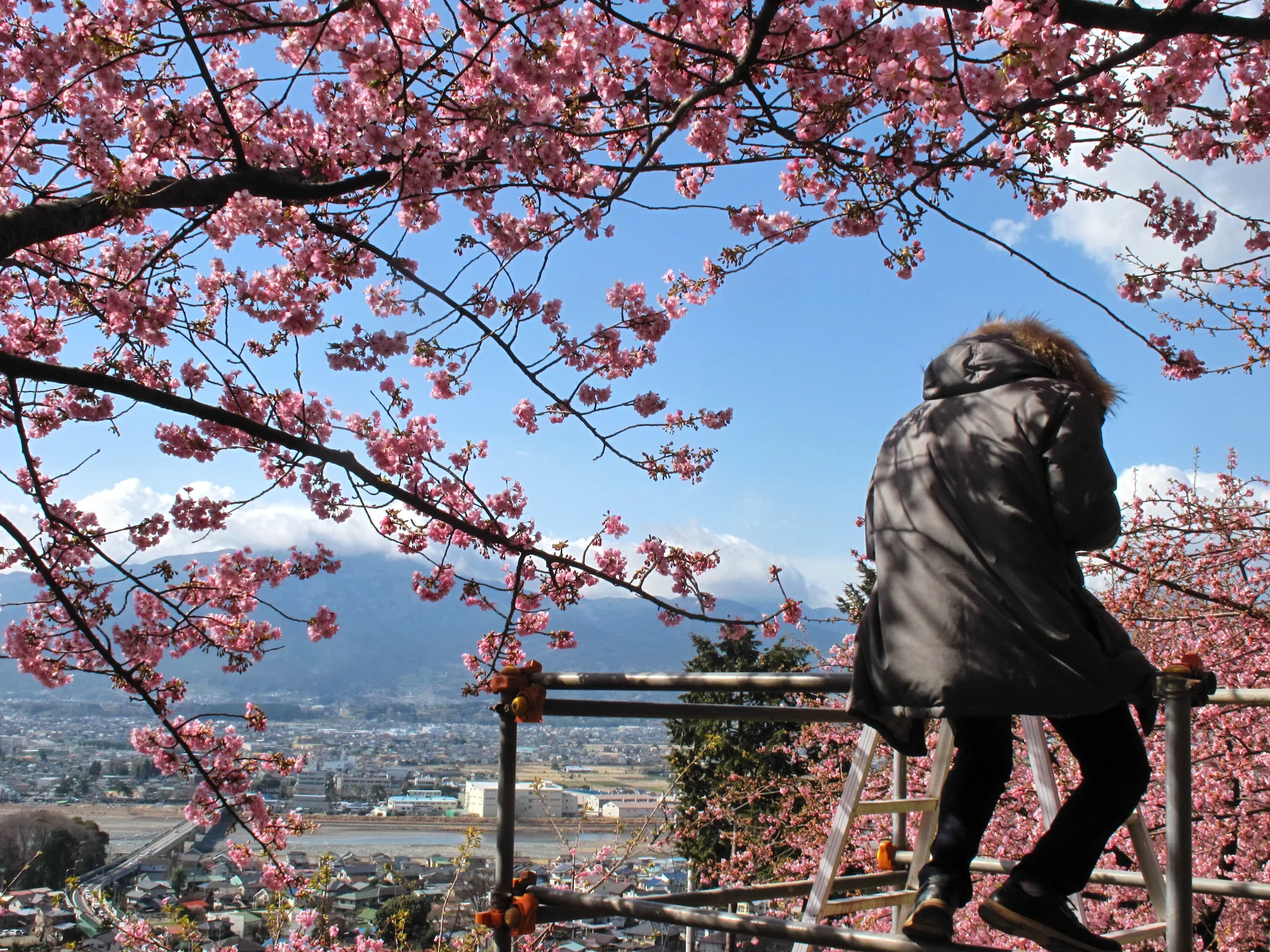
Tokyo's cherry blossom season has become one of the world's most significant cultural tourism events, drawing an estimated 2.8 million domestic visitors and 1.2 million international tourists annually according to the Japan National Tourism Organization. The 2026 bloom cycle is projected to peak between late March and early April, with forecasting models from the Japan Meteorological Corporation indicating earlier bloom dates in central Tokyo due to rising temperatures. As you stroll beneath the delicate pink canopies, the air fills with the soft rustle of petals drifting like snowflakes, mingling with the laughter of families picnicking under the trees and the distant hum of street vendors selling sakura-flavored treats. The scent of grilled yakitori and sweet sakura mochi lingers in the breeze, while the warm spring sun filters through the blossoms, casting dappled shadows on the ground below. While the phenomenon attracts massive crowds, the economics and logistics of managing sakura tourism reveal deeper questions about urban planning, environmental sustainability, and cultural commodification. This analysis examines 24 notable cherry blossom viewing locations across Tokyo, from the historic grandeur of Ueno Park to the hidden gems of neighborhood shrines, assessing their historical significance, visitor patterns, and role in shaping how the city experiences spring. Each site offers a unique atmosphere—whether it’s the festive energy of Shinjuku Gyoen’s lantern-lit evenings or the serene tranquility of Chidorigafuchi’s riverside walkways, where the reflection of blossoms dances on the water’s surface.
Visitor Tips
How to Get There
Frequently Asked Questions
Frequently Asked Questions
- What is the optimal timing for viewing cherry blossoms in Tokyo during 2026?
- Peak bloom in central Tokyo typically occurs between March 25 and April 5 in 2026, but the exact timing feels almost magical—like nature’s own countdown. I remember my first *hanami* in 2019, when I arrived a week early and watched the buds slowly unfurl, day by day, until the trees exploded into a sea of pink. The Yoshino cherries, which dominate Tokyo’s parks, bloom for just 7–10 days, so timing is everything. The Japan Meteorological Corporation’s forecasts are incredibly accurate, but nothing beats checking their real-time updates or even walking through a park to see the progress for yourself. If you’re lucky, you might catch the *kaika* (flowering) stage, when the first blossoms appear—it’s less crowded and equally beautiful. For nighttime illuminations, aim for the *mankai* (full bloom) stage, when the trees are at their most dramatic under the lanterns.
- How do Tokyo's cherry blossom sites compare in terms of historical significance versus current visitor volume?
- Walking through Ueno Park, you can almost hear the echoes of Edo-period samurai who once strolled beneath these same trees. Established in 1873, it’s the granddaddy of Tokyo’s cherry blossom sites, with over 1,000 trees and a history that feels palpable in the air. But with 2.7 million visitors annually, it’s also a victim of its own success—during peak bloom, the paths become so crowded that it’s hard to move, let alone find a quiet spot to picnic. Contrast that with the Meguro River, a relative newcomer developed in the 1970s. It lacks Ueno’s historical gravitas, but its 800-meter stretch of blossoms, lined with trendy cafes and illuminated at night, feels tailor-made for modern *hanami*. The newer sites were designed with crowds in mind, offering wider paths and better infrastructure, while older sites like Ueno struggle to balance tradition with tourism. It’s a fascinating tension—between preserving history and accommodating the millions who flock here each spring.
- What role do social media platforms play in distributing visitors across Tokyo's 24 primary cherry blossom sites?
- Social media has turned cherry blossom season into a real-time game of ‘follow the crowd.’ I’ll never forget the year a viral TikTok video sent thousands of visitors to Yasukuni Shrine overnight—what was once a quiet, solemn spot became a chaotic photo zone, with people jostling for the perfect shot beneath the shrine’s ancient trees. The Tokyo Metropolitan Government now monitors platforms like Instagram and Twitter to predict crowd surges, but it’s a losing battle. When a celebrity posts a photo at a lesser-known spot like Kanda River, foot traffic can spike by 200% within days. The Meguro River, with its photogenic illuminations, is a prime example—what was once a local secret is now a must-visit for influencers. It’s a double-edged sword: social media introduces visitors to hidden gems, but it also strips away the magic of discovery. If you want to avoid the crowds, I’d recommend skipping the ‘grammable’ spots and seeking out smaller parks like Hibiya or Inokashira—where the blossoms are just as beautiful, but the atmosphere is far more peaceful.
- Why are Tokyo's cherry blossom trees becoming more vulnerable to environmental stress?
- The first time I noticed the trees looking tired was in 2022, when the blooms seemed sparser and the petals fell faster than usual. It’s heartbreaking to see—these trees have stood for decades, some even centuries, but now they’re struggling. The 94% monoculture of Yoshino cherries means that if one tree gets sick, they’re all at risk. In 2023, the cherry bark sawfly infestation damaged 8% of Tokyo’s trees, leaving bare patches where blossoms should have been. Warming temperatures are another culprit: the bloom period has shifted from mid-April to late March, forcing the trees into a shorter, more stressful cycle. And then there’s the soil compaction from millions of footsteps—Ueno Park’s trees, in particular, suffer from roots that can’t breathe. It’s a stark reminder that even nature’s most iconic displays aren’t immune to the pressures of urbanization and climate change. The city is experimenting with new cultivars and soil treatments, but it’s a race against time.
- How has visitor behavior changed since Japan reopened international tourism after 2020?
- The post-2020 surge in international visitors has transformed *hanami* from a local tradition into a global spectacle. Before the pandemic, you’d see families picnicking under the trees, sharing bento boxes and sake, with the occasional tourist snapping photos. Now, it’s not uncommon to see large groups of international visitors setting up tripods for elaborate photoshoots, or crowds gathered around influencers filming TikTok videos. The spatial dynamics have shifted, too—domestic visitors still favor traditional spots like Ueno Park, while international tourists flock to ‘Instagram-famous’ locations like Meguro River or the illuminated trees at Chidorigafuchi. It’s created a fascinating cultural clash: on one hand, it’s incredible to see so many people from around the world experiencing this tradition. On the other, it’s disheartening to see some visitors treating the parks like a theme park, shaking the trees for ‘better’ photos or leaving trash behind. The Tokyo Metropolitan Government has introduced multilingual signs and increased trash bins, but the real change needs to come from visitors themselves—respecting the space and the culture that makes *hanami* so special.