New Video! The Best eSIMs for Visiting Japan in 2026 — Tried and Tested!
As you prepare for your Japanese adventure, understanding the local mobile connectivity landscape is key to making the most of your trip. In 2026, eSIMs have transformed the way travelers stay connect
As you prepare for your Japanese adventure, understanding the local mobile connectivity landscape is key to making the most of your trip. In 2026, eSIMs have transformed the way travelers stay connected, eliminating the need for physical SIM cards and offering unparalleled convenience. For instance, you can now purchase and activate an eSIM plan before you even board your flight, ensuring you’re connected the moment you land at Narita or Kansai International Airport. With a predicted 350 million global eSIM shipments this year, it’s clear that digital SIM cards are the future of travel connectivity. But what exactly are eSIMs, and how can they enhance your travel experience in Japan? Beyond the obvious benefits of flexibility and cost savings, eSIMs allow you to avoid the long queues at airport SIM card kiosks, skip the frustration of incompatible devices, and even share data across multiple devices like your phone, tablet, and smartwatch. Whether you’re navigating the labyrinthine streets of Shinjuku, translating menus in real-time at a Kyoto izakaya, or live-streaming the breathtaking views from Mount Fuji, reliable and high-speed connectivity is no longer a luxury—it’s a necessity. In this guide, we’ll delve into the world of eSIMs, exploring their unique benefits, such as instant plan switching between urban and rural areas, access to exclusive local data promotions, and the ability to top up your plan on the go. We’ll also help you choose the right provider, whether you prioritize lightning-fast 5G speeds in Tokyo or dependable coverage in the countryside, and what to expect from your mobile experience in Japan.

What to Expect
When using an eSIM in Japan, you can expect a tailored mobile experience that adapts to your travel needs. For example, providers like Ubigi offer plans with high-speed 5G coverage in major cities like Tokyo, Osaka, and Kyoto, ensuring you can video call home or upload photos to social media without lag. Meanwhile, Sakura Mobile specializes in plans with extensive rural coverage, perfect for travelers exploring the historic trails of Shikoku or the scenic coastlines of Hokkaido. Imagine effortlessly switching from a high-data plan for a day of Google Maps navigation in Tokyo to a lighter plan for a weekend in the Japanese Alps, all without needing to visit a store or swap out a physical SIM card. The convenience extends beyond coverage—many eSIM providers offer multilingual customer support, so you can resolve issues quickly, whether you’re troubleshooting a connection problem in Hiroshima or topping up your data in Fukuoka. You’ll also find that eSIMs integrate seamlessly with Japan’s cashless payment systems, like Suica and Pasmo, allowing you to pay for train fares or convenience store snacks with just a tap. Whether you’re capturing the neon lights of Akihabara, translating signs in real-time at a rural train station, or navigating the complex train schedules of the Yamanote Line, your eSIM will keep you connected, informed, and immersed in the unique experiences Japan has to offer.
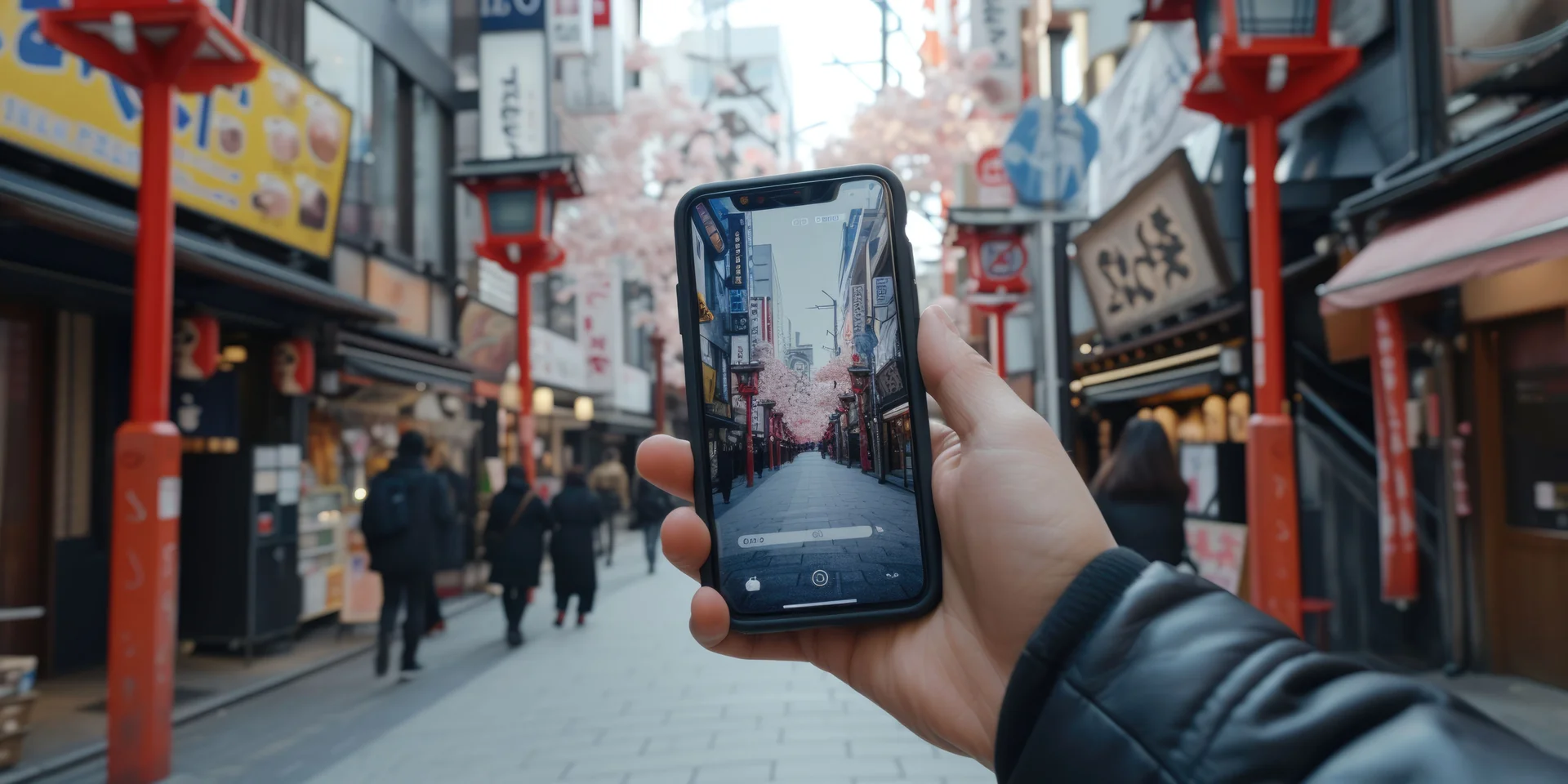
In 2026, the landscape of mobile connectivity for travelers in Japan is dominated by eSIMs—digital SIM cards that offer seamless, easy switching between network plans. According to Statista, global eSIM shipments are expected to hit over 350 million this year, driven largely by demand in travel-heavy markets like Japan. Recent data from the Ministry of Internal Affairs and Communications in Japan suggests a 25% increase in data usage among tourists, underscoring the importance of reliable connectivity. The rise of eSIMs is reshaping travel logistics, making it crucial for visitors to choose the right provider before landing in Japan. With options like Ubigi, Sakura Mobile, and Mobal, travelers can now avoid the hassle of physical SIM cards, enjoy instant activation upon arrival, and even switch between local carriers like NTT Docomo, SoftBank, or KDDI for the best coverage in different regions.
Visitor Tips
How to Get There
Getting to Japan is straightforward, but understanding the local nuances can make your journey smoother. By Metro: Japan’s metro systems, particularly in Tokyo and Osaka, are among the most efficient in the world. Purchase a Suica or Pasmo IC card at the airport or any train station to tap in and out of metro gates effortlessly. A single ride in Tokyo costs around 170-310 yen, depending on the distance, while a day pass for unlimited rides is available for approximately 600 yen. Note that some rural areas may not accept IC cards, so carry cash for local buses or trains. By Taxi: Taxis in Japan are clean and reliable but can be expensive. A 10-minute ride in Tokyo typically costs 1,500-2,500 yen, and fares increase at night. Use apps like JapanTaxi or Uber for easier booking, and be aware that taxi doors open and close automatically—don’t try to open them yourself! By Car: Renting a car is an option for exploring rural areas like Hokkaido or Kyushu, but driving in Japan can be challenging for foreigners. Roads are narrow, signs are often in Japanese, and parking can be scarce and expensive in cities. Expect to pay around 7,000-12,000 yen per day for a compact car, and always carry an International Driving Permit (IDP) if you plan to drive.
Frequently Asked Questions
Frequently Asked Questions
- What is an eSIM and how does it work in Japan?
- An eSIM is a digital SIM card embedded in your device, allowing you to switch network plans without a physical card. In Japan, this means travelers can select plans from providers like NTT Docomo, SoftBank, or KDDI directly from their device settings, often before even arriving in the country. For example, you can activate a plan with Ubigi for high-speed 5G in Tokyo or switch to Sakura Mobile for better rural coverage in Hokkaido, all without visiting a store. This adaptability makes eSIMs ideal for travelers who need reliable connectivity whether they’re navigating urban areas or exploring off-the-beaten-path destinations.
- Is there a significant cost benefit to using eSIMs while traveling in Japan?
- Yes, eSIMs in Japan generally offer better rates compared to traditional roaming charges, with savings of up to 20% depending on the provider. For instance, a 7-day plan with 5GB of data might cost around 2,500 yen with an eSIM, compared to 3,500 yen or more with a physical SIM card purchased at the airport. Additionally, many eSIM providers offer pay-as-you-go plans or short-term options, which can help you avoid overpaying for data you don’t need. Some providers also include perks like free local calls or discounts on attractions, adding even more value to your plan.
- Are all smartphones compatible with eSIMs in 2026?
- Most modern smartphones released after 2018 support eSIM technology, including the latest models from Apple, Samsung, and Google. According to Apple Inc., nearly 90% of new smartphones are eSIM-compatible, making it a viable option for most travelers. However, some older models or budget devices may not support eSIMs, so it’s essential to check your device’s specifications before purchasing a plan. If your phone isn’t eSIM-compatible, you can still use a physical SIM card, though you’ll miss out on the convenience of instant activation and plan switching.
- How secure are eSIMs for travelers in Japan?
- eSIMs are generally secure, as they rely on encrypted digital networks and are less susceptible to physical theft or loss compared to traditional SIM cards. Japanese telcos like NTT Docomo and SoftBank deploy advanced encryption technologies to protect user data, and many eSIM providers offer two-factor authentication for added security. However, travelers should still take precautions, such as avoiding public Wi-Fi for sensitive transactions, using strong passwords, and keeping their device’s software up-to-date. If you’re concerned about security, opt for reputable providers with a strong track record in data protection.