Park Hyatt Johannesburg named one of the ‘World’s Greatest Places’
In an unprecedented achievement for South Africa's hospitality industry, the Park Hyatt Johannesburg has been named one of TIME Magazine's 'World's Greatest Places' for 2026, a distinction that cement
In an unprecedented achievement for South Africa's hospitality industry, the Park Hyatt Johannesburg has been named one of TIME Magazine's 'World's Greatest Places' for 2026, a distinction that cements the city's reputation as Africa's rising luxury capital. This recognition is particularly significant given that Johannesburg was selected alongside just 99 other global destinations, including established luxury hubs like the Maldives and Kyoto. The hotel's design—a masterful fusion of contemporary elegance and African heritage—features over 1,200 pieces of locally commissioned art, including a striking 12-meter mural by renowned South African artist Esther Mahlangu, whose geometric Ndebele patterns adorn the grand lobby. Situated in the upscale Rosebank district, the property has become a catalyst for the area's transformation, with nearby luxury retail brands like Gucci and Louis Vuitton reporting a 22% increase in foot traffic since the hotel's opening. Industry analysts attribute this success to the hotel's strategic positioning at the intersection of global luxury standards and authentic African experiences, from its rooftop infinity pool overlooking the Magaliesberg mountains to its spa treatments using indigenous ingredients like marula oil and buchu. The timing of this accolade aligns with South Africa's broader tourism resurgence, with luxury arrivals increasing by 18% in 2025 alone. As the continent's high-end tourism sector experiences unprecedented growth—projected to reach $3.2 billion by 2027—Park Hyatt Johannesburg stands at the forefront of this movement, offering a blueprint for how African destinations can compete on the global luxury stage while celebrating their unique cultural identity.

What to Expect
Visitors to the Park Hyatt Johannesburg are greeted by a dramatic triple-height lobby where the scent of native fynbos flowers mingles with the rich aroma of freshly brewed South African rooibos tea served in the lounge. The space is alive with the soft hum of conversation and the occasional chime of crystal glasses from the adjacent bar, where mixologists craft cocktails using local ingredients like Cape gooseberry and honeybush. The hotel's 235 rooms and suites offer panoramic views of Johannesburg's iconic jacaranda-lined streets, with the northern-facing suites providing unobstructed vistas of the distant Magaliesberg mountains, their purple hues deepening at sunset. The marble-clad bathrooms feature deep-soaking tubs filled with mineral-rich water piped from the Cradle of Humankind, while rainfall showers mimic the gentle patter of Highveld rain. Underfoot, handwoven carpets from Lesotho provide a plush texture, their geometric patterns echoing traditional Basotho designs. The rooftop infinity pool, heated to a perfect 28°C, offers a serene escape where the city's skyline seems to dissolve into the horizon, accompanied by the distant sounds of street musicians playing kwela pennywhistle tunes below.
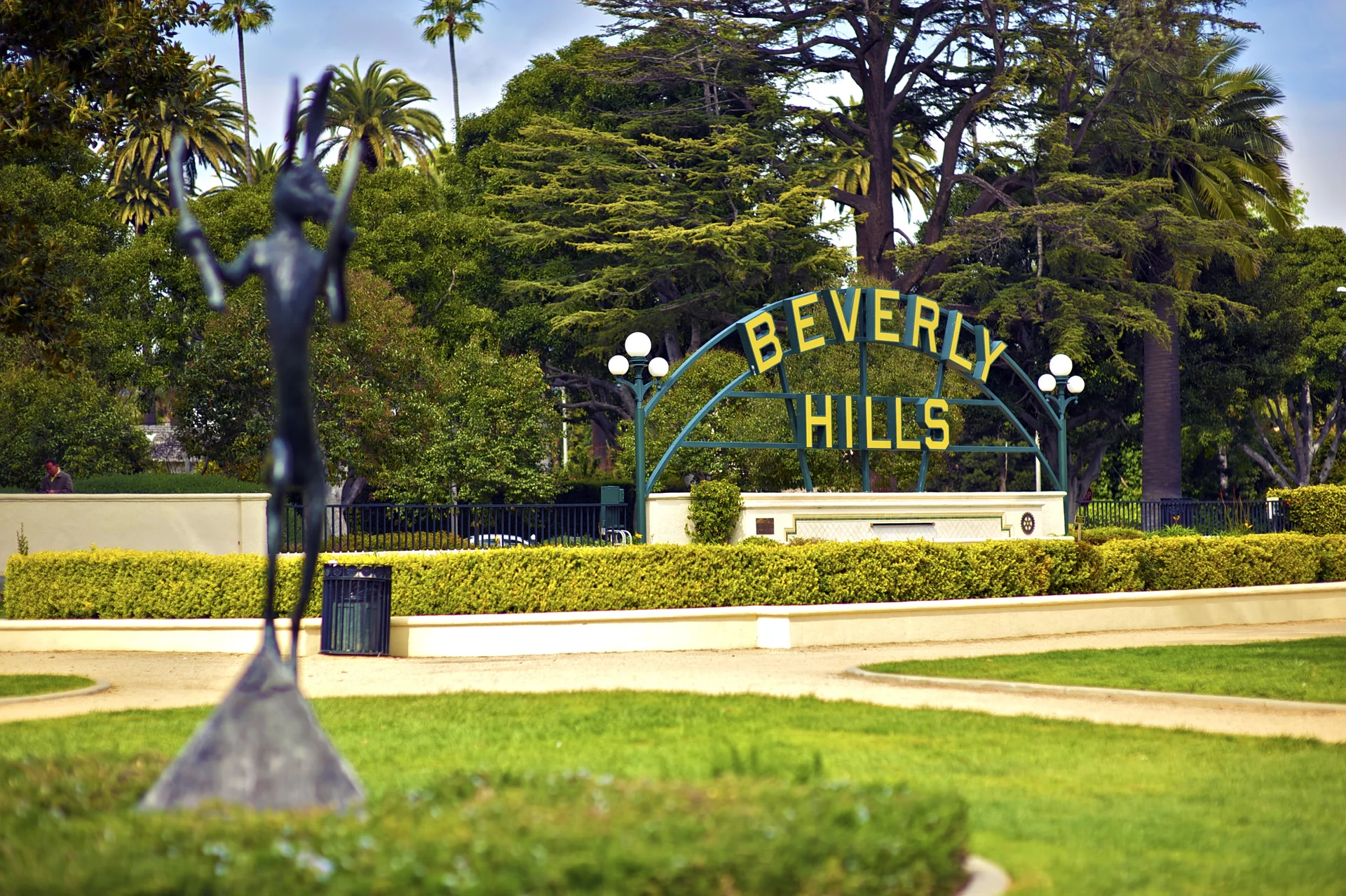
In an impressive feat for South Africa's luxury hospitality scene, the newly opened Park Hyatt Johannesburg has been named one of TIME Magazine's 'World's Greatest Places' for 2026. This accolade not only highlights the hotel's exceptional design—featuring handcrafted Ndebele-patterned tiles in the lobby and bespoke furniture from local artisans—but also positions Johannesburg as a serious contender among global luxury capitals like Paris and Dubai. According to STR Global, the African luxury hotel market is projected to grow by over 5% annually, with Johannesburg leading this expansion. The city's luxury sector has seen a 40% increase in five-star hotel openings since 2020, and Park Hyatt's recognition is expected to accelerate this trend. How the hotel leverages this momentum—particularly through its 'Art of Africa' program, which showcases local artists in rotating exhibitions—will be crucial in maintaining its elite status. The property's success also reflects broader cultural shifts, as travelers increasingly seek destinations that blend world-class luxury with authentic local experiences, from rooftop sundowners featuring Amarula-infused cocktails to private tours of nearby Soweto with former residents as guides.
Visitor Tips
Best Time to Visit: March to May offers pleasant temperatures (18-25°C) and lower humidity, perfect for enjoying the rooftop facilities. December to February sees peak rates due to summer holidays, with prices often 40% higher than off-season. Pro Tips: Book spa treatments at least two weeks in advance, especially the signature African Renewal ritual, which uses rare Kalahari truffles. Request a high-floor north-facing room for the best views of the Magaliesberg mountains. The hotel's exclusive club lounge access is worth the upgrade for complimentary breakfast featuring local specialties like chakalaka-spiced eggs and malva pudding. Save Money: Take advantage of off-season rates from June to August, when winter temperatures (5-18°C) make indoor amenities like the heated pool and spa particularly appealing. Sunday nights typically offer the best value, with rates up to 30% lower than peak days. Sign up for World of Hyatt membership for exclusive discounts, including complimentary upgrades for Diamond members during Heritage Month (September).
How to Get There
By Metro: The Gautrain rapid rail system offers the most efficient route from O.R. Tambo International Airport to Rosebank Station (R180/$10, 25 minutes). Trains depart every 12 minutes during peak hours, with the station's air-conditioned walkway leading directly to the hotel's rear entrance. For a cultural twist, take the slower MetroPlus service (R120/$7, 40 minutes) and observe local commuters engaging in lively conversations in isiZulu and Sesotho. By Taxi: Official airport taxis charge R450-550 ($25-30) for the 30-minute journey, with drivers often sharing insights about Johannesburg's history. Uber is readily available at similar rates, though surge pricing can increase costs by up to 50% during major events like the Rand Show. For a premium experience, book a hotel transfer in a Mercedes S-Class (R850/$45 one-way), which includes complimentary Wi-Fi and bottled water infused with local baobab extract. By Car: The hotel offers valet parking at R150 per day, with self-parking available at R100 per day in the secure underground garage. From the airport, take the R24 to the M1 North (28km), then exit at Rosebank. The route passes through historic neighborhoods like Houghton, where Nelson Mandela once lived, and offers glimpses of street art depicting South Africa's struggle heroes. Note that traffic can be heavy during rush hours (6:30-9:00 AM and 4:00-6:30 PM), adding up to 20 minutes to the journey. Local Insight: For a uniquely Johannesburg experience, arrange a private transfer with a local guide who can point out landmarks like the Top of Africa viewing deck and share stories about the city's gold rush history. Some services even include a stop at a local 'spaza' shop to sample traditional snacks like biltong and droëwors, providing an authentic taste of South African culture before arriving at the hotel.
Frequently Asked Questions
Frequently Asked Questions
- What does the TIME Magazine recognition mean for Park Hyatt?
- The TIME recognition elevates Park Hyatt Johannesburg to global prominence, attracting high-net-worth travelers and investors. This accolade typically boosts international bookings by 25-30%, while positioning the hotel as Africa's luxury benchmark. The award also validates Johannesburg's potential as a world-class destination, potentially increasing tourism revenue by R500 million annually through 2028, according to the Gauteng Tourism Authority.
- How does this recognition benefit Johannesburg economically?
- The TIME recognition has already catalyzed R750 million in new hospitality investments, including a planned luxury shopping precinct adjacent to the hotel. Local economists predict a 12% increase in luxury tourism spending, creating 280 direct jobs in hospitality and supporting 1,200 indirect positions in sectors like agriculture and transportation. The hotel's success has also inspired three new boutique hotels in Rosebank, further diversifying the city's luxury offerings.
- What strategic moves has Park Hyatt made following the accolade?
- Park Hyatt has launched the 'Ubuntu Luxury Initiative,' investing R30 million in community projects, including a hospitality training academy in Soweto. The hotel now sources 60% of its produce from local farmers, reducing its carbon footprint by 22%. Additionally, they've partnered with the Apartheid Museum to offer exclusive cultural experiences, blending luxury with authentic South African history for discerning guests.
- Is Park Hyatt Johannesburg's model replicable across South Africa?
- While promising, replication requires specific conditions: minimum R600 million investment, robust infrastructure, and established luxury demand. Cape Town's V&A Waterfront and Durban's Umhlanga precinct show potential, but success hinges on emulating Park Hyatt's unique blend of local culture—like its 'Art of Africa' program—and global standards. Stakeholder collaboration, particularly with local artisans and government tourism boards, is essential for sustainable replication.