René Redzepi Steps Away From Noma
René Redzepi's abrupt departure from Noma in March 2026 sent shockwaves through the global culinary world, challenging the mythology surrounding one of fine dining's most revered figures. For over two
René Redzepi's abrupt departure from Noma in March 2026 sent shockwaves through the global culinary world, challenging the mythology surrounding one of fine dining's most revered figures. For over two decades, the Danish chef cultivated an almost messianic reputation, building Noma into a five-time best restaurant in the world, a status that attracted celebrities, food critics, and culinary pilgrims willing to pay hundreds of dollars for a single meal. Yet behind the accolades and Michelin stars lay a troubling narrative: a New York Times investigation documented allegations from 35 former employees describing physical abuse, public humiliation, and systematic intimidation disguised as culinary perfectionism. The timing of Redzepi's departure—coinciding with Noma's anticipated 16-week Los Angeles residency—created a cultural reckoning that extended far beyond one restaurant, forcing the food industry to confront uncomfortable questions about power dynamics, workplace safety, and whether culinary genius justifies abusive behavior. This story represents far more than a scandal; it marks a pivotal moment when institutional sponsorships withdrew, protests erupted outside restaurant entrances, and the very concept of what makes a restaurant truly great came under scrutiny.

What to Expect
Understanding the Noma experience requires recognizing the stark contrast between its celebrated public face and the reported workplace reality. Guests entering Noma's Copenhagen location encounter a serene, minimalist environment: whitewashed walls, natural light flooding through large windows, and tables positioned to overlook the Christianshavn waterfront. The sensory experience unfolds deliberately—the subtle aroma of burning birch wood and fermented botanicals wafts through the dining room, creating an earthy, almost forest-like atmosphere. Diners hear the soft clink of carefully chosen glassware, the whispered coordination of servers, and perhaps the distant sounds of the kitchen's controlled precision. The visual presentation of each dish arrives as sculptural art: a single flower perched atop a stone, moss-covered elements suggesting Nordic landscapes, edible preparations that challenge perceptions of what food can be. Yet this atmosphere of tranquility and refinement now carries an uncomfortable subtext, with the knowledge that this aesthetic excellence was reportedly built through fear, intimidation, and physical aggression toward the staff executing each plate. The experience represents a painful duality—sensory brilliance potentially inseparable from documented human suffering.
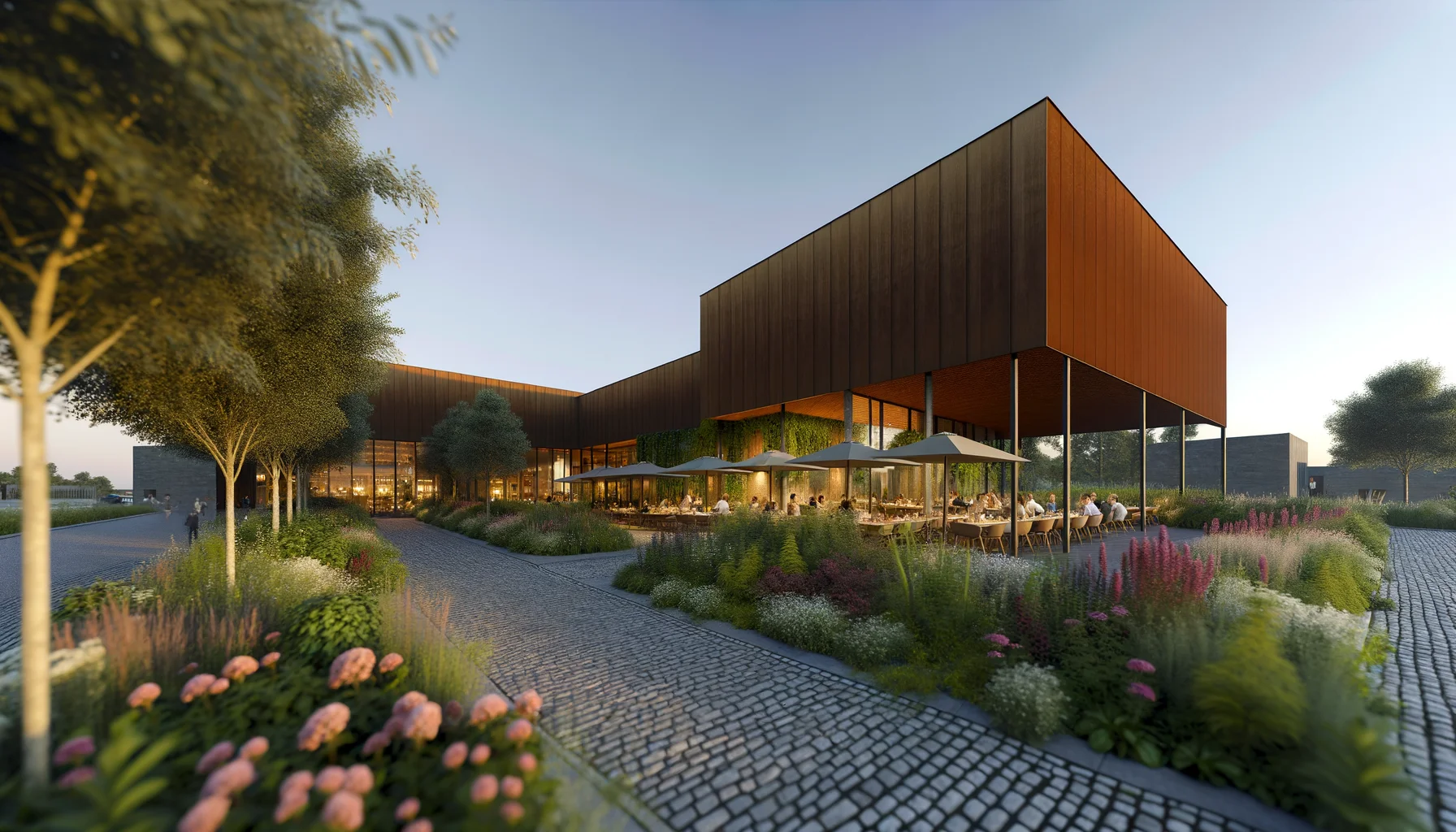
René Redzepi, the Danish chef whose Copenhagen restaurant Noma has claimed the title of world's best restaurant five times since 2010, announced his immediate departure from daily operations on March 11, 2026. The decision came days after the New York Times published allegations from 35 former employees describing physical abuse, including punching staff and assaulting workers with kitchen utensils during service. Redzepi also resigned from the board of Mad, the nonprofit gastronomic research organization he founded in 2011. The timing proved catastrophic: Noma's highly anticipated 16-week Los Angeles residency launched the same day, already stripped of major sponsors Blackbird and American Express following the Times report. What began as a celebrated chef's attempt to democratize fine dining through a pop-up format has become a case study in how workplace misconduct allegations can dismantle even the most celebrated culinary empire. The allegations paint a stark contrast to Noma's carefully cultivated image as a temple of culinary innovation, where diners pay premium prices to experience what many consider transformative gastronomic artistry. The restaurant's minimalist Nordic aesthetic, intimate 40-seat setting, and meticulously sourced ingredients created an atmosphere of reverence and exclusivity. For nearly two decades, Noma represented the pinnacle of contemporary cooking, influencing chefs worldwide and drawing pilgrims of food culture seeking enlightenment through taste, texture, and presentation.
Visitor Tips
Best Time to Visit: Noma operates on a seasonal rotation, historically closing for extended periods to develop new menus. Prior to the 2026 allegations, peak booking demand occurred during spring (April-May) and fall (September-November) seasons. However, future operations remain uncertain following Redzepi's departure and leadership transition. Pro Tips: Reservations at Noma traditionally required booking months in advance through its website lottery system, with tables filling within minutes of availability windows. The restaurant imposed strict dress codes (business casual minimum) and multi-hour dining experiences (typically 3-4 hours). Payment was required upfront, non-refundable. Arrive 15 minutes early; tardiness could result in forfeited reservations. Photography policies were historically restrictive. Save Money: The base tasting menu cost approximately $300-400 USD per person at the Copenhagen location, with wine pairings adding $100-200 more. Noma LA's residency pricing was projected at $395-495 per person. No à la carte options existed; the tasting menu was mandatory. Budget for travel to Copenhagen (unless visiting a residency location) and accommodation, as most guests traveled internationally. Currency exchange rates affected final costs for non-Scandinavian visitors. Alternative fine dining options in Copenhagen offered similar price points with greater availability.
How to Get There
Copenhagen Location - Public Transit: The Copenhagen Metro connects directly to Christianshavn station (Line M1, approximately 25 minutes from Copenhagen Airport). From the station, Noma is a 5-minute walk across the Christianshavn neighborhood. Single metro tickets cost DKK 24 (approximately $3.20 USD). A 24-hour city pass costs DKK 80. Taxi Services: Taxis from Copenhagen Airport to Noma cost approximately DKK 250-350 ($33-47 USD), with journey time 20-25 minutes depending on traffic. Uber and local apps like TaxiDanmark provide ride options. Private Car: Rental cars cost $40-70 USD daily from major agencies at the airport. Noma provided limited parking; street parking in Christianshavn required validation permits. Driving time from airport was 20 minutes via E20 motorway. Los Angeles Residency (2026) - Rideshare: Noma LA operated in Silver Lake, served by Uber/Lyft from LAX (30-40 minute drive, $25-45 depending on demand). Taxi fare approximately $50-65. Parking: Street parking available but limited; valet services were not officially provided. Public Transit: Limited public transit access; the nearest Metro station required additional transportation. Personal Vehicle: Recommended option for private parking; 15-minute drive from downtown LA. Driving from LAX took 35-45 minutes via I-10 and I-5.
Frequently Asked Questions
Frequently Asked Questions
- What specific allegations did the New York Times report about René Redzepi?
- The Times investigation, conducted over several months by reporter Julia Moskin, documented disturbing accounts from 35 former employees. These testimonies revealed a pattern of physical violence: Redzepi allegedly punched staff members and wielded kitchen tools as weapons, including assaulting workers with a barbecue fork during active service. Beyond the physical abuse, the investigation uncovered systematic emotional cruelty—public humiliation designed to enforce perfectionism, intimidation tactics that created a toxic environment, and a leadership approach built on fear rather than mentorship. Journalists verified these claims through multiple interviews and corroborating sources before publication.
- Did René Redzepi deny the allegations or apologize?
- Redzepi notably declined to directly address the specific accusations leveled against him. Instead, his public statement on March 11 pivoted toward a strategic message about organizational transition, emphasizing his intention to step back and allow "extraordinary leaders" to guide the restaurant's future. The statement conspicuously omitted several elements: no apology for documented behavior, no acknowledgment of employee suffering, and no acceptance of responsibility. By framing his departure as a voluntary leadership succession rather than a consequence of misconduct, Redzepi attempted to reposition the narrative, though this approach was widely criticized as evasive and insufficient.
- How did the Los Angeles residency proceed after the allegations emerged?
- The timing proved particularly dramatic: Noma LA's grand opening occurred on March 11, 2026—the precise day Redzepi announced his departure—creating a surreal parallel between the chef's exit and the residency's debut. The restaurant launched under new leadership, with Redzepi absent from daily operations. However, the institutional support structure crumbled rapidly. Blackbird and American Express terminated their sponsorships almost immediately following the Times publication, dealing substantial financial and reputational blows. Protesters, including former staff members, gathered outside the Silver Lake venue on opening night, creating a public demonstration against the residency's continuation. Despite these mounting pressures, the 16-week residency proceeded, though significantly diminished in institutional backing and public goodwill.
- What role did Jason Ignacio White play in surfacing the allegations?
- Jason Ignacio White, a former head of fermentation at Noma, emerged as a crucial catalyst in bringing workplace misconduct into public consciousness. Weeks before the Times investigation published, White began aggregating anonymous testimonies from current and former staff on an Instagram account and dedicated website titled Noma Abuse. His documentation served multiple critical functions: establishing patterns of alleged abuse, creating a digital archive of employee experiences, and providing journalists with investigative leads and preliminary verification. White's efforts transformed scattered individual grievances into a cohesive narrative of institutional dysfunction. On Noma LA's opening day, White participated in protests outside the Silver Lake location, positioning himself as both an evidentiary source and a vocal moral witness against the residency's continuation.
- What is Mad, and did Redzepi's resignation affect the organization?
- Mad—the acronym stands for a gastronomic concept rather than an English word—represents Redzepi's ambitious nonprofit organization founded in 2011. The organization functioned as a gastronomic research and educational hub, hosting international conferences that gathered chefs, food scientists, and culinary thinkers to discuss cooking techniques, food culture, and innovation. Mad published research, developed educational programs, and positioned itself as an intellectual authority within global culinary circles. Redzepi's immediate resignation from its board following the Times allegations created substantial uncertainty regarding the organization's trajectory. The resignation raised critical questions about leadership succession, institutional credibility, and whether organizational stakeholders would distance themselves from Redzepi's influence as they had done with restaurant sponsors.
- Why did sponsors withdraw from Noma LA after the allegations surfaced?
- Corporate sponsor withdrawal followed well-established crisis management protocols in the luxury sector. Blackbird and American Express evaluated their reputational risk and determined that continued association with Noma carried unacceptable liability following credible workplace abuse allegations. Major brands—particularly those positioning themselves around progressive values and social responsibility—recognize that public support for organizations facing documented misconduct triggers consumer backlash, media scrutiny, and stakeholder criticism. By withdrawing support swiftly, sponsors attempted to demonstrate moral clarity and protect their brand positioning. The sponsor departures represented institutional pressure operating independently from media coverage alone, collectively signaling that Redzepi's removal from operational control was a prerequisite for organizational legitimacy restoration.