Shamwari Private Game Reserve Joins Rare Finds by Kerzner International
Shamwari Private Game Reserve isn’t just another safari destination—it’s a gateway to the untamed heart of the Eastern Cape. Spanning 25,000 hectares,
Shamwari Private Game Reserve isn’t just another safari destination—it’s a gateway to the untamed heart of the Eastern Cape. Spanning 25,000 hectares, this sanctuary is where the Big Five roam freely, and the landscapes shift from sunbaked plains to dense thickets along the Bushman’s River. What sets Shamwari apart is its deep-rooted connection to the land. The reserve was one of the first in the region to reintroduce lions after their local extinction, and today, it’s a leader in wildlife rehabilitation, with a dedicated veterinary team and a sanctuary for rescued animals. The recent partnership with Kerzner International’s 'Rare Finds' elevates the experience, offering bespoke itineraries that might include a private dinner in the bush or a behind-the-scenes tour of the conservation projects. For those who crave more than just a safari, Shamwari delivers an immersion into the wild—where every sunset feels like a masterpiece, and every encounter leaves you with a deeper appreciation for Africa’s fragile ecosystems.

What to Expect
Stepping into Shamwari is like entering a living postcard. The first thing you’ll notice is the light—golden and soft in the early morning, casting long shadows over the undulating hills. The air carries the scent of wild rosemary and the faint musk of elephants, mingling with the earthy aroma of dry grass. As you set off on a game drive, the jeep’s tires crunch over gravel, and the guide points out a leopard’s paw print pressed into the sand. The soundscape is alive with the chatter of francolins, the distant whoop of hyenas, and the occasional trumpet of an elephant. At midday, the heat shimmers over the plains, and the only sounds are the buzz of cicadas and the rustle of leaves as a giraffe plucks acacia pods. Evenings bring a symphony of crickets and the haunting call of a fish eagle, while the taste of biltong and a glass of pinotage lingers on your palate. The reserve’s diverse habitats—from riverine forests to open savannahs—ensure that every sense is engaged, from the rough texture of a baobab’s bark to the cool splash of water as you cross a shallow stream.
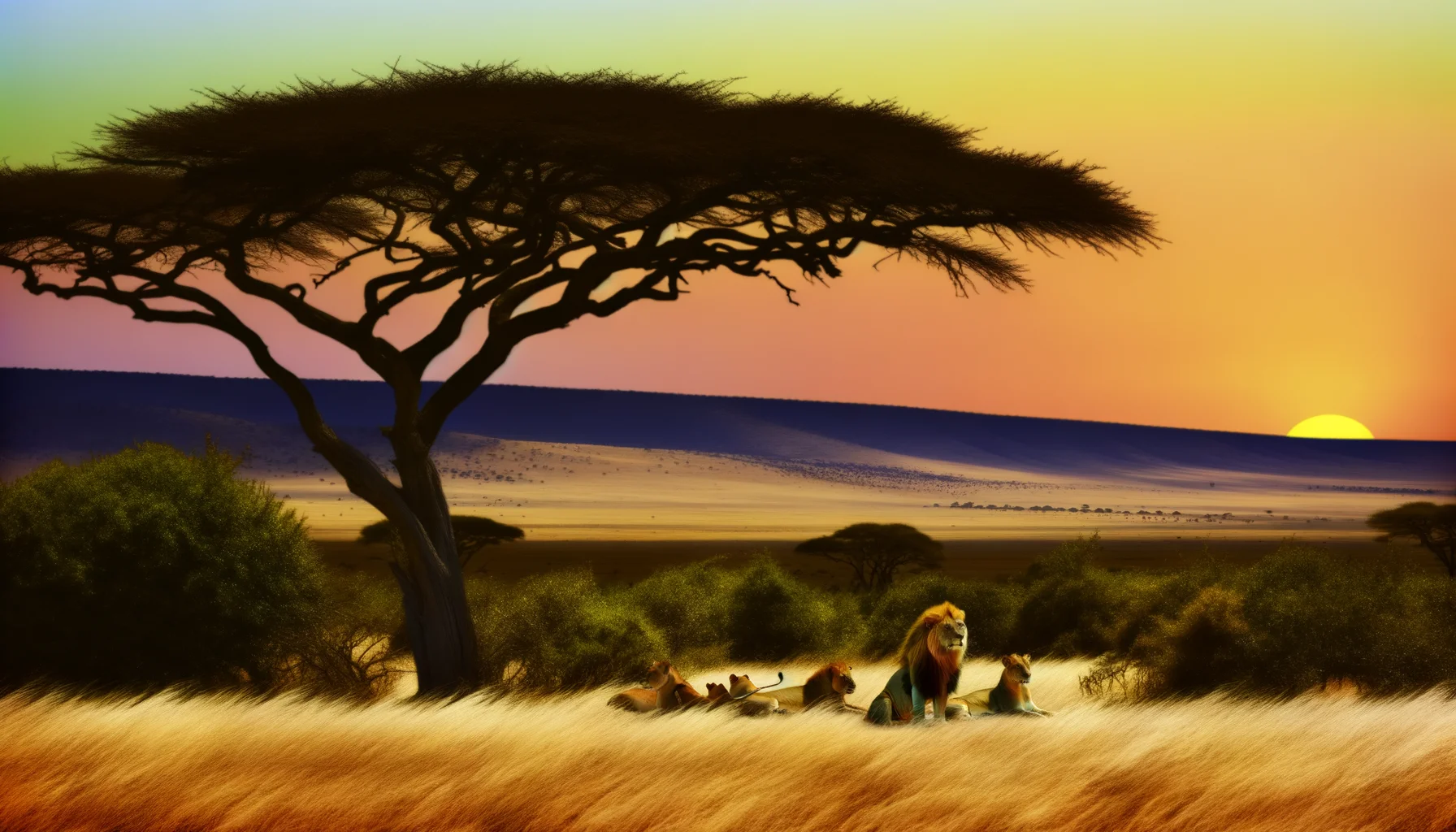
Shamwari Private Game Reserve, a 25,000-hectare wildlife haven in the Eastern Cape, redefines the safari experience. Its recent collaboration with Kerzner International’s 'Rare Finds' collection introduces a new standard of exclusivity, blending conservation with refined hospitality. Here, the rhythm of the wild sets the pace—mornings begin with the distant rumble of lions, the crisp air carrying the scent of wild sage and damp earth. As the sun climbs, elephants amble toward waterholes, their massive forms casting long shadows over the golden grasslands. Game drives reveal the reserve’s hidden corners, where the jeep’s engine hums softly against the backdrop of rustling leaves and the occasional alarm call of impalas. Evenings unfold under a canopy of stars, with the crackle of a fire and the rich, smoky aroma of slow-cooked venison. The reserve’s commitment to conservation is woven into every experience, from anti-poaching patrols to community partnerships, ensuring that luxury and sustainability coexist seamlessly.
Visitor Tips
To make the most of your visit to Shamwari, consider these insider tips: **Best Time to Visit:** The dry season (May to September) is ideal for game viewing, but the shoulder months (April and October) offer fewer crowds and lush landscapes. For birdwatchers, November to February brings migratory species and newborn animals. **Pro Tips:** * **Wildlife Hotspots:** Ask your guide about the ‘Lion Hill’ area, a lesser-known spot where prides often rest in the shade of acacia trees. The Bushman’s River lookout is another hidden gem for spotting hippos and crocodiles. * **Packing:** Neutral clothing is a must, but add a lightweight scarf for dusty drives and a pair of binoculars for birdwatching. A portable charger is essential—outlets are scarce in the bush. * **Photography:** Early mornings and late afternoons offer the best light, but don’t overlook the midday hours for dramatic shadows and close-up shots of insects and reptiles. * **Cultural Insight:** Visit the on-site Born Free Foundation to learn about the reserve’s work with rescued big cats, or join a guided walk with a local tracker to discover medicinal plants used by the Xhosa people. * **Safety:** Always follow your guide’s instructions, especially during walking safaris. If you’re prone to motion sickness, sit in the front of the jeep on bumpy trails. **Save Money:** * **Off-Peak Travel:** Rates drop by up to 30% in the green season (November to March), though afternoon thunderstorms are common. * **Package Deals:** Look for all-inclusive packages that bundle accommodations, meals, and activities. Some lodges offer free nights for stays of 4+ days. * **Local Tours:** Combine your stay with a visit to nearby Addo Elephant National Park or the historic city of Grahamstown for a discounted multi-destination experience.
How to Get There
The journey to Shamwari is an adventure in itself, winding through the picturesque landscapes of the Eastern Cape. Most travelers fly into Port Elizabeth (Gqeberha), where the warm ocean breeze and the scent of saltwater greet you as you step off the plane. From there, the drive to the reserve takes about an hour, following the N2 highway before turning onto a gravel road that cuts through citrus farms and rolling hills. Along the way, you might spot herds of springbok grazing by the roadside or catch a glimpse of the Bushman’s River glinting in the distance. The final stretch is a slow, dusty drive through the reserve’s gates, where the transition from civilization to wilderness is immediate—the hum of the city fades, replaced by the calls of birds and the occasional snort of a warthog. For those who prefer not to drive, private transfers can be arranged, often with a stop at a local farm stall for fresh pineapples or a cup of rooibos tea. If you’re feeling adventurous, consider a scenic flight from Port Elizabeth, offering a bird’s-eye view of the reserve’s vast expanse before landing on a private airstrip near your lodge.
Frequently Asked Questions
Frequently Asked Questions
- What is the best time of year to visit Shamwari?
- The dry season, from May to September, is widely regarded as the best time to visit Shamwari for wildlife viewing. During these months, the vegetation is sparse, making it easier to spot animals congregating around water sources. The weather is also cooler, with daytime temperatures averaging 20-25°C (68-77°F), ideal for game drives. However, if you prefer lush landscapes and birdwatching, the green season (November to February) offers vibrant scenery and the chance to see newborn animals, though afternoon rains can disrupt plans. For a balance of good weather and fewer crowds, consider visiting in April or October.
- What animals can I expect to see at Shamwari?
- Shamwari is renowned for its incredible biodiversity, offering sightings of the iconic Big Five—lions, leopards, elephants, rhinos, and buffalo—as well as a host of other species. The reserve’s varied habitats, from riverine forests to open plains, support cheetahs, giraffes, zebras, hippos, and crocodiles. Bird enthusiasts will delight in over 275 species, including the striking lilac-breasted roller and the elusive African fish eagle. Night drives reveal nocturnal creatures like aardvarks, genets, and porcupines. The reserve also participates in conservation programs for endangered species, so you might encounter rare animals like the black rhino or the Cape mountain zebra. Each season brings different highlights, from newborn impalas in spring to large herds of elephants in the dry winter months.
- Are children allowed at Shamwari?
- Yes, children of all ages are welcome at Shamwari, and the reserve is a fantastic destination for families. Many of the lodges offer family-friendly accommodations, such as interconnected rooms or private villas with pools. For younger children, some lodges provide babysitting services or kid-friendly activities, like junior ranger programs where they can learn about tracking, bush survival skills, and wildlife conservation. Game drives can be tailored to suit families, with shorter durations and engaging guides who make the experience fun and educational. However, it’s worth noting that some lodges have age restrictions for certain activities, such as walking safaris, which are typically limited to children over 12. Always check with your chosen lodge for specific policies and child-friendly amenities.
- What types of accommodations are available at Shamwari?
- Shamwari offers a diverse range of accommodations, each designed to blend seamlessly with the natural surroundings while providing luxury and comfort. The reserve’s lodges cater to different preferences and budgets, from the ultra-exclusive Eagles Crag, perched on a cliff with panoramic views, to the family-friendly Riverdene Lodge, which features a children’s play area and a pool. For a more immersive experience, the tented camps, like Bayethe and Long Lee Manor, offer a classic safari feel with modern amenities, including private decks and outdoor showers. The flagship property, Sarili Private Sanctuary, provides a secluded, all-inclusive retreat with a private chef and butler. Each accommodation option includes game drives, meals, and access to the reserve’s facilities, ensuring a memorable stay regardless of your choice.