Splashing Through the Generations
Close your eyes and imagine this: the sun blazing overhead, the air thick with the scent of jasmine and sizzling street food, and the sound of
Close your eyes and imagine this: the sun blazing overhead, the air thick with the scent of jasmine and sizzling street food, and the sound of laughter and splashing water filling the streets. That’s Songkran—the Thai New Year celebration that’s equal parts spiritual ritual and all-out water fight. Every April, Thailand erupts in color and chaos as locals and travelers alike take to the streets for days of non-stop fun. Families start the day with solemn temple visits, gently pouring scented water over Buddha statues and elders’ hands as a sign of respect. But by afternoon? It’s game on. Buckets, hoses, and water guns turn every corner into a battleground, where strangers become friends under a deluge of water. With visitor numbers soaring by 30% each year, Songkran isn’t just a festival—it’s a global phenomenon that blends tradition, community, and pure, unfiltered joy.

What to Expect
Expect to be greeted by vibrant streets alive with laughter and enthusiasm as locals and tourists alike engage in water fights, a joyful symbol of renewal and purification. As the celebrations unfold, you’ll be enveloped by the rhythmic sound of traditional music mingling with modern melodies echoing through the city. Delight in the savory aroma of street food wafting through the air, accompanied by the sweet, floral scent of local jasmine flowers offered as tokens of goodwill. Feel the warmth of the sun contrasted with the refreshing splash of water as it dances over your skin. Experience a deep sense of community as families gather for sacred ceremonies in local temples, their prayers rising like incense towards the heavens. Whether in urban centers or rural villages, the essence of Songkran permeates every corner, drawing participants into a festive embrace. Prepare for a sensory-rich experience where culture and modernity coexist harmoniously, creating an unforgettable journey through the heart of Thailand.
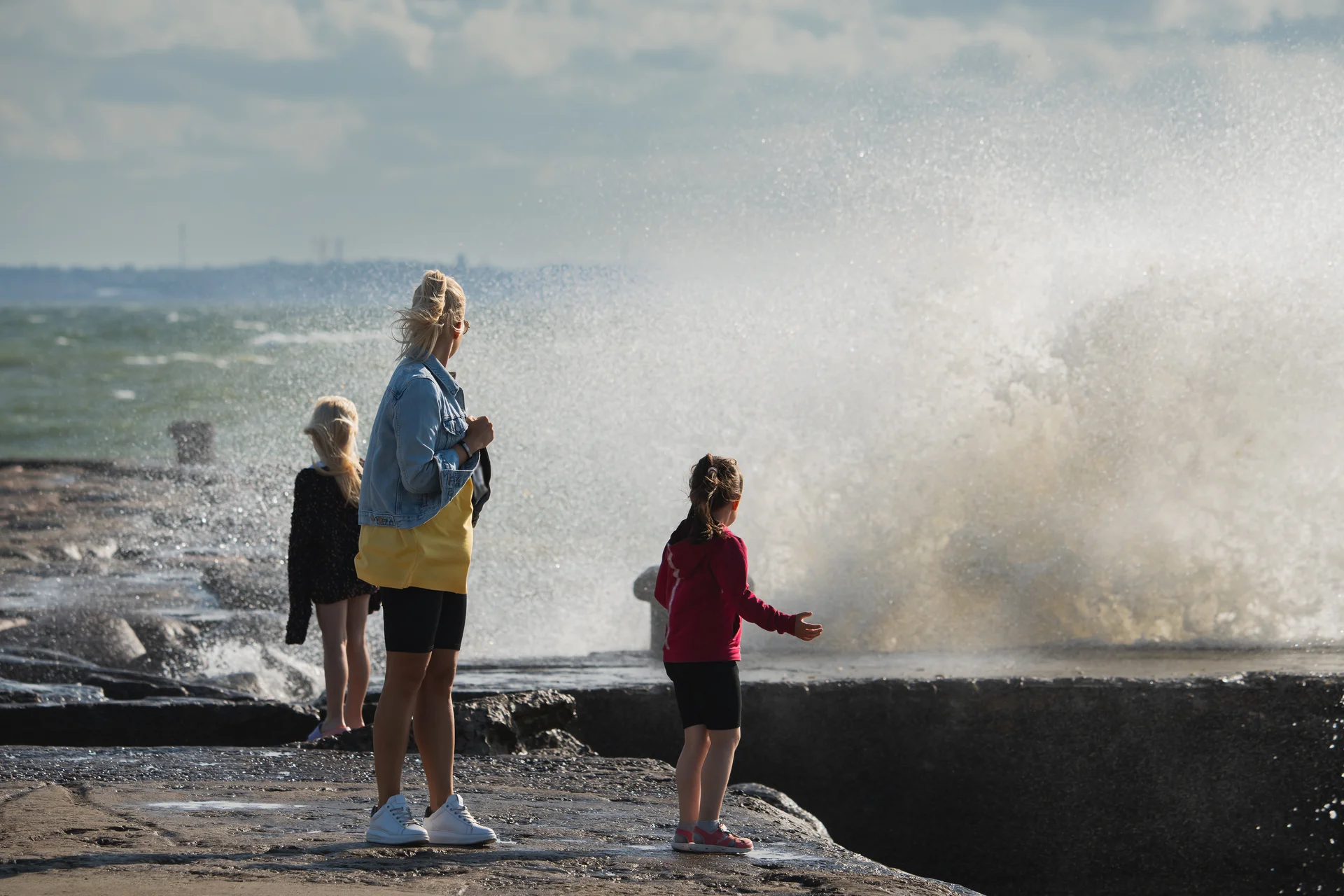
Songkran isn’t just a festival—it’s a full-blown water war where ancient traditions collide with non-stop party vibes! Picture this: streets transformed into splash zones, buckets of water flying, and laughter echoing everywhere. By 2026, millions will flock to Thailand for this epic celebration, turning cities into giant playgrounds. The Tourism Authority of Thailand reports a 30% spike in visitors during Songkran, proving it’s a must-experience event. Families gather for sacred rituals in the morning, then let loose with water fights by afternoon. It’s a whirlwind of culture, chaos, and pure joy—where else can you honor elders with a gentle water blessing, then turn around and drench a stranger with a super soaker? The festival isn’t just fun; it’s a cultural and economic powerhouse, pumping billions into Thailand’s tourism industry while keeping traditions alive. So grab a bucket, join the madness, and let Songkran wash away your worries!
Visitor Tips
Want to make the most of Songkran? Here’s the scoop: **Timing is everything** – Hit the streets mid-April when the party’s in full swing. Bangkok and Chiang Mai are the hotspots, but smaller towns offer a more local vibe. **Dress for success** – Wear quick-dry clothes (you *will* get soaked) and stash your phone in a waterproof pouch. A cheap pair of flip-flops? Perfect for splashing around. **Respect the vibe** – Temples are for quiet reflection, not water fights. Save the splashing for the streets, and always ask before dousing elders or monks. **Eat like a local** – Skip the tourist traps and dive into street food. Pad Thai, mango sticky rice, and grilled skewers are your new best friends. **Beat the crowds** – Stay a little outside the city center for cheaper digs, and use public transport (BTS in Bangkok, songthaews in Chiang Mai) to zip around like a pro.
How to Get There
Metro: In bustling cities like Bangkok, use the BTS Skytrain or MRT Subway. A ride starts at around 16 THB (around $0.50), making it an affordable option to avoid traffic gridlock during the festival. Taxi: Taxis are plentiful; fares start from 35 THB (about $1). Note that traffic can be heavy, so try tuk-tuks for shorter distances at negotiable rates. Car: Renting a car for convenience is possible, with prices averaging around 1,000-1,500 THB (approximately $30-45) per day. Ensure you have a detailed map and leave early to secure good parking. Consider downloading local GPS navigation apps for up-to-date traffic trends.
Frequently Asked Questions
Frequently Asked Questions
- What makes Songkran unique among global festivals?
- Songkran isn’t just another festival—it’s a cultural deep dive disguised as a giant water fight! Unlike other celebrations, it blends sacred traditions with pure, unfiltered fun. Take the ‘Rod Nam Dam Hua’ ritual, for example: families gather to pour scented water over elders’ hands as a sign of respect, then five minutes later, they’re laughing as they drench each other in the streets. It’s this mix of reverence and revelry that makes Songkran one-of-a-kind. Plus, where else can you experience a festival that’s both a spiritual renewal and a city-wide party? In 2023, a group of backpackers in Chiang Mai even turned a temple visit into an impromptu water fight with monks (who, by the way, joined in!). That’s Songkran—unpredictable, heartwarming, and utterly unforgettable.
- How does Songkran impact Thailand's economy?
- Songkran is like a turbo boost for Thailand’s economy. In 2024, the festival raked in over 5 billion Baht (about $140 million) in just one week! Hotels in Bangkok and Chiang Mai jack up prices by 50-100%, and street vendors sell out of water guns and floral shirts within hours. Even airlines get in on the action—budget carriers like AirAsia offer ‘Songkran Special’ flights with free water pistols for passengers. But it’s not just big businesses cashing in. In rural areas, families open their homes as homestays, and local artisans sell handmade water bowls and jasmine garlands, giving small communities a major financial lift. One street food vendor in Phuket told us she makes 30% of her annual income during Songkran—proof that this festival is a lifeline for Thailand’s economy.
- Are there any concerns about Songkran's future?
- Songkran’s growing popularity is a double-edged sword. On one hand, it’s putting Thailand on the map as a must-visit destination—Instagram hashtags like #Songkran2025 are already trending. But on the other, some worry the festival is losing its soul to commercialization. In 2023, a viral video showed a luxury hotel in Bangkok hosting a ‘VIP Songkran Experience’ with champagne towers and private water fights—far from the festival’s humble roots. There’s also the environmental toll: millions of plastic water guns and buckets end up in landfills. But don’t count Songkran out yet. Communities are fighting back with eco-friendly initiatives, like biodegradable water containers and ‘clean-up Songkran’ campaigns. The festival’s future might look different, but its spirit? That’s here to stay.
- Why is Songkran important for families?
- Songkran is basically Thai Family Day on steroids. It’s the one time of year when everyone—grandparents, cousins, even the black-sheep uncle—comes together to celebrate. Take the ‘Bai Sri Su Khwan’ ceremony, for example: families tie sacred strings around each other’s wrists while offering blessings, creating a tangible bond that lasts long after the festival ends. In 2022, a survey by the Thai Family Institute found that 78% of respondents felt closer to their families after Songkran. And it’s not just about the rituals. The water fights? They’re a great equalizer—kids and adults alike get soaked, breaking down generational barriers. One father in Ayutthaya told us, ‘My son and I haven’t laughed this hard in years.’ That’s the magic of Songkran: it turns strangers into family and memories into traditions.