Student Guide to Rome: Where to Drink, Study, Work Out and Go Out
Rome's student population has surged to over 100,000 annually, according to UNESCO data, making it one of Europe's premier destinations for higher education. International enrollment at institutions l
Rome's student population has surged to over 100,000 annually, according to UNESCO data, making it one of Europe's premier destinations for higher education. International enrollment at institutions like Sapienza University of Rome and LUISS has grown 23% since 2022, driven by affordable tuition costs and the city's cultural infrastructure. However, the influx has created a parallel economy where student survival depends on navigating specific neighborhoods, understanding public transport systems, and accessing university-sponsored resources. This guide examines where Rome's students actually live, study, work out, and socialize—not as tourists, but as residents managing real financial constraints and academic demands in a city with rising costs and limited student-specific services. Beyond the numbers, Rome offers a vibrant student culture where ancient history meets modern academic life. Students here experience a unique blend of rigorous studies and rich social traditions, from late-night study sessions in historic libraries to casual gatherings in bustling piazzas. The city's energy is palpable, with university districts buzzing with intellectual exchange and youthful creativity. Yet, thriving as a student in Rome requires more than just academic dedication—it demands savvy budgeting, local knowledge, and an understanding of the city's rhythms. This guide provides practical insights to help you navigate this dynamic environment successfully.
What to Expect
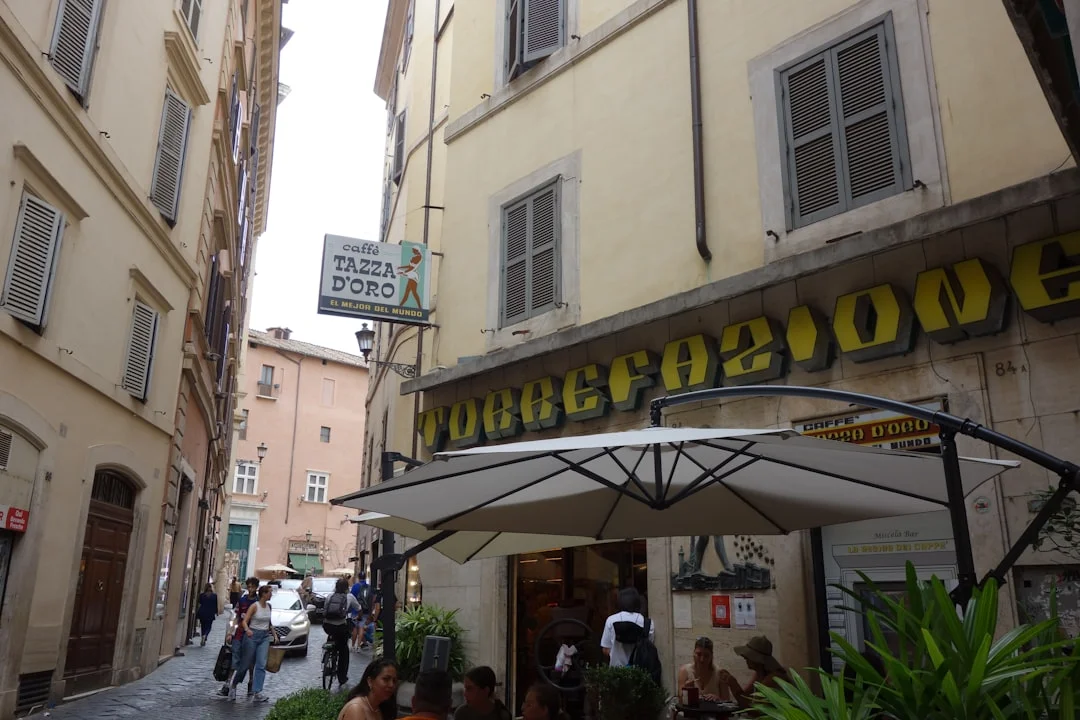
Expect a city that pulses with academic energy, where historic university buildings stand alongside modern student hubs. You'll see students cycling through cobblestone streets, their backpacks filled with books, and hear the lively chatter of multiple languages in cafés near Sapienza University. The air carries the aroma of freshly brewed espresso from corner bars where students gather for €1.50 cappuccinos. Feel the buzz of collaborative study sessions in libraries and co-working spaces, and the warmth of sun-drenched piazzas where friends meet after classes. In neighborhoods like San Lorenzo, you'll encounter vibrant street art and the hum of nightlife, while Garbatella offers a more relaxed, community-focused atmosphere. Expect to navigate a mix of ancient and modern, where Roman ruins provide scenic study spots and high-speed internet is essential for research. The sensory experience is rich: the sight of centuries-old architecture, the sound of church bells marking time, the smell of pizza from student-friendly trattorias, and the tactile feel of well-worn library books. Student life here balances academic rigor with cultural immersion, creating memories that extend far beyond the classroom.
Rome's student population has surged to over 100,000 annually, according to UNESCO data, making it one of Europe's premier destinations for higher education. International enrollment at institutions like Sapienza University of Rome and LUISS has grown 23% since 2022, driven by affordable tuition costs and the city's cultural infrastructure. However, the influx has created a parallel economy where student survival depends on navigating specific neighborhoods, understanding public transport systems, and accessing university-sponsored resources. This guide examines where Rome's students actually live, study, work out, and socialize—not as tourists, but as residents managing real financial constraints and academic demands in a city with rising costs and limited student-specific services.
Visitor Tips
Best Time: The academic year runs from October to June, with peak student activity during October-November and March-May. Avoid August when many locals and services close for Ferragosto. Pro Tips: Always carry your student ID for discounts—it can save you 20-50% on transport, museums, and dining. Use university mensa (cafeteria) meals for affordable lunches (€5 with ID). Join Facebook groups like 'Erasmus Rome' or 'Find Your Flatmate in Rome' for housing and social events. Learn basic Italian phrases; locals appreciate the effort. Save Money: Purchase the student monthly transport pass (€35) instead of single tickets. Shop at local markets like Mercato di Testaccio for fresh, inexpensive groceries. Take advantage of free university events, lectures, and cultural activities. Use student bars as informal study spaces to avoid café costs. Consider commuting from peripheral neighborhoods like Garbatella for lower rent. Additional Tips: Be prepared for administrative delays with university paperwork—start processes early. Embrace the siesta culture; many shops close midday. Use apps like MyCicero for transport tickets and TheFork for restaurant discounts. Network with local students for insider advice on budget-friendly spots.
How to Get There
Metro: Rome's metro system (Lines A, B, C) is efficient for reaching student hubs. A single ticket costs €1.50, valid for 100 minutes. Key stops: Sapienza University (near Policlinico on Line B), LUISS (near Spagna on Line A), San Lorenzo (near Termini on Lines A/B). The student monthly pass (€35) offers unlimited travel. Taxi: Taxis are available but expensive; fares start at €3.90 plus €1.10/km. A ride from Fiumicino Airport to central Rome costs €48-60. Use official white taxis or apps like Free Now. For shorter trips within student neighborhoods, expect €10-15. Car: Driving in Rome is challenging due to traffic and ZTL (limited traffic zones). Parking costs €1-3/hour in blue zones. Car sharing services like Share Now offer flexible options from €0.30/minute. Consider renting a bike (€10-15/day) or using electric scooters (€0.25/minute) for short distances. Regional trains connect peripheral areas; a monthly pass costs €35-50. Pro tip: Walk or cycle in compact neighborhoods like Trastevere to save money and experience local life.
Frequently Asked Questions
Frequently Asked Questions
- What is the average monthly rent for a student in Rome, and where are the most affordable neighborhoods?
- Student rent in Rome averages €400-600 per month for a shared apartment in neighborhoods like Garbatella, Ostiense, and Pigneto, according to Immobiliare.it data. San Lorenzo and Testaccio, historically student strongholds, now command €550-650 monthly due to gentrification. Facebook groups like 'Find Your Flatmate in Rome' and Spotahome platform facilitate peer-to-peer rentals where students negotiate directly, often securing better rates than formal agencies. Commuting from peripheral suburbs via regional trains (€35-50 monthly) can reduce housing costs but extends study time and reduces neighborhood engagement.
- How much does a student meal cost at Sapienza University's mensa, and what does it include?
- Sapienza's mensa meals cost €5 for students with valid university ID and include a pasta or rice dish, a main protein (typically chicken, beef, or legumes), vegetables, and bread. The university operates 12 dining facilities serving approximately 12,000 meals daily. Meals must be purchased through university cards or digital passes; cash payments incur a €2 surcharge. Operating hours typically run 11:30 a.m. to 2:30 p.m., limiting flexibility for students with afternoon schedules.
- What is the monthly cost of public transport for students in Rome, and what does the pass cover?
- The student monthly transport pass costs €35 and covers unlimited travel on Rome's entire metro, tram, and bus network operated by ATAC. Standard adult monthly passes cost €100. Student pricing requires valid university registration and student ID. The pass does not include regional trains to surrounding areas; those require separate €35-50 monthly passes through Trenitalia. Students should activate passes at physical ticket offices or through the MyCicero app to avoid delays.
- Which neighborhoods offer the best balance of affordability and student amenities in Rome?
- Garbatella and Ostiense offer the strongest combination of affordable housing (€380-480 and €420-550 monthly respectively) and student-specific services including bars, study spaces, and food venues. Both neighborhoods have direct metro connections to central universities and host student-oriented cafés serving €1.50-2 cappuccinos. Pigneto, further south, averages €400-520 monthly rent but offers fewer direct metro links, requiring bus transfers. San Lorenzo remains student-concentrated but has gentrified significantly, making it financially inaccessible for many students unless housed in declining buildings targeted for renovation.
- How do Italian students access co-working and study spaces outside university libraries?
- BiblioTeca in San Lorenzo charges €8 daily or €120 monthly for dedicated study desks with reliable internet and extended evening hours until 11 p.m. WeSpace operates five locations across Rome with €150-250 monthly student memberships. These spaces emerged because Sapienza's main library closes by 7 p.m. most evenings and limits weekend access. Many student bars like Flavio Vespasiano operate as hybrid study-social spaces with minimal purchase requirements, functioning as informal alternatives to formal co-working facilities and reducing costs for budget-constrained students.
- What fitness facilities do Rome's universities offer, and how do costs compare to commercial gyms?
- Sapienza's university gym charges €150 annually for students and provides basic equipment, free weights, and group fitness classes. LUISS operates a comparable facility at similar pricing. Commercial chains like Virgin Active and Anytime Fitness charge €40-60 monthly (€480-720 annually), making university memberships substantially cheaper. However, university gyms operate limited evening hours and often close during university holidays, limiting accessibility for students with work schedules. Many students resort to outdoor running routes along the Tiber or neighborhood parks rather than paying for commercial memberships.