Swap Commuter Chaos for Island Calm: The Long-Haul Holiday That Resets Your Mind
Picture this: You’ve just landed on a remote island after a long flight, the salty tang of the ocean filling your lungs as you step off the plane. The air is warm, the breeze gentle, and the only soun
Picture this: You’ve just landed on a remote island after a long flight, the salty tang of the ocean filling your lungs as you step off the plane. The air is warm, the breeze gentle, and the only sounds are the distant calls of seabirds and the soft rustle of palm leaves. This is the allure of long-haul holidays in 2026—a growing trend where travelers are trading the chaos of urban life for the tranquility of secluded destinations. According to a Deloitte survey, rural tourism bookings have surged by 25%, while the World Tourism Organization reports a 15% increase in visits to lesser-known natural reserves. But this isn’t just about escaping the city; it’s about resetting your mind in a world that never stops. Whether it’s the misty mountains of Patagonia, the serene temples of Kyoto, or the untouched beaches of the Maldives, these destinations offer more than just a change of scenery—they provide a sanctuary for the soul. For many, like Sarah, a marketing executive from London, this shift was life-changing. After years of burnout, she spent three weeks in a remote eco-lodge in Costa Rica, where the only alarm clock was the dawn chorus of tropical birds. By the end of her trip, she had not only rediscovered her love for nature but also a renewed sense of purpose. This is the power of long-haul travel in 2026: it’s not just a holiday; it’s a journey back to yourself.

What to Expect
When you embark on a long-haul holiday in 2026, expect to be enveloped in an experience that engages all your senses. As you step off the plane, the first thing you’ll notice is the air—crisp and clean, carrying the scent of earth, salt, or blooming flowers, a stark contrast to the stale, recycled air of urban environments. The soundscape is equally transformative: the gentle lapping of waves against the shore, the whisper of wind through ancient forests, or the distant hum of wildlife at dusk. Visually, these destinations dazzle with their untouched beauty—turquoise waters stretching to the horizon, emerald-green valleys dotted with wildflowers, or golden savannas teeming with life. The textures underfoot vary from the soft, warm sand of a secluded beach to the cool, smooth stones of a mountain stream. Even your taste buds will come alive, with fresh, locally sourced meals that burst with flavor, whether it’s a spicy curry in Sri Lanka or a simple but delicious farm-to-table feast in Tuscany. Beyond the sensory delights, you’ll find a slower pace of life, where time seems to stretch and every moment is an opportunity to connect—with nature, with locals, and with yourself. For example, in the highlands of Scotland, you might find yourself wrapped in a cozy tartan blanket, sipping whisky by a crackling fire, while the Northern Lights dance across the sky. Or in the jungles of Borneo, you could wake up to the sight of orangutans swinging through the trees outside your eco-lodge. These are the moments that make long-haul travel unforgettable.
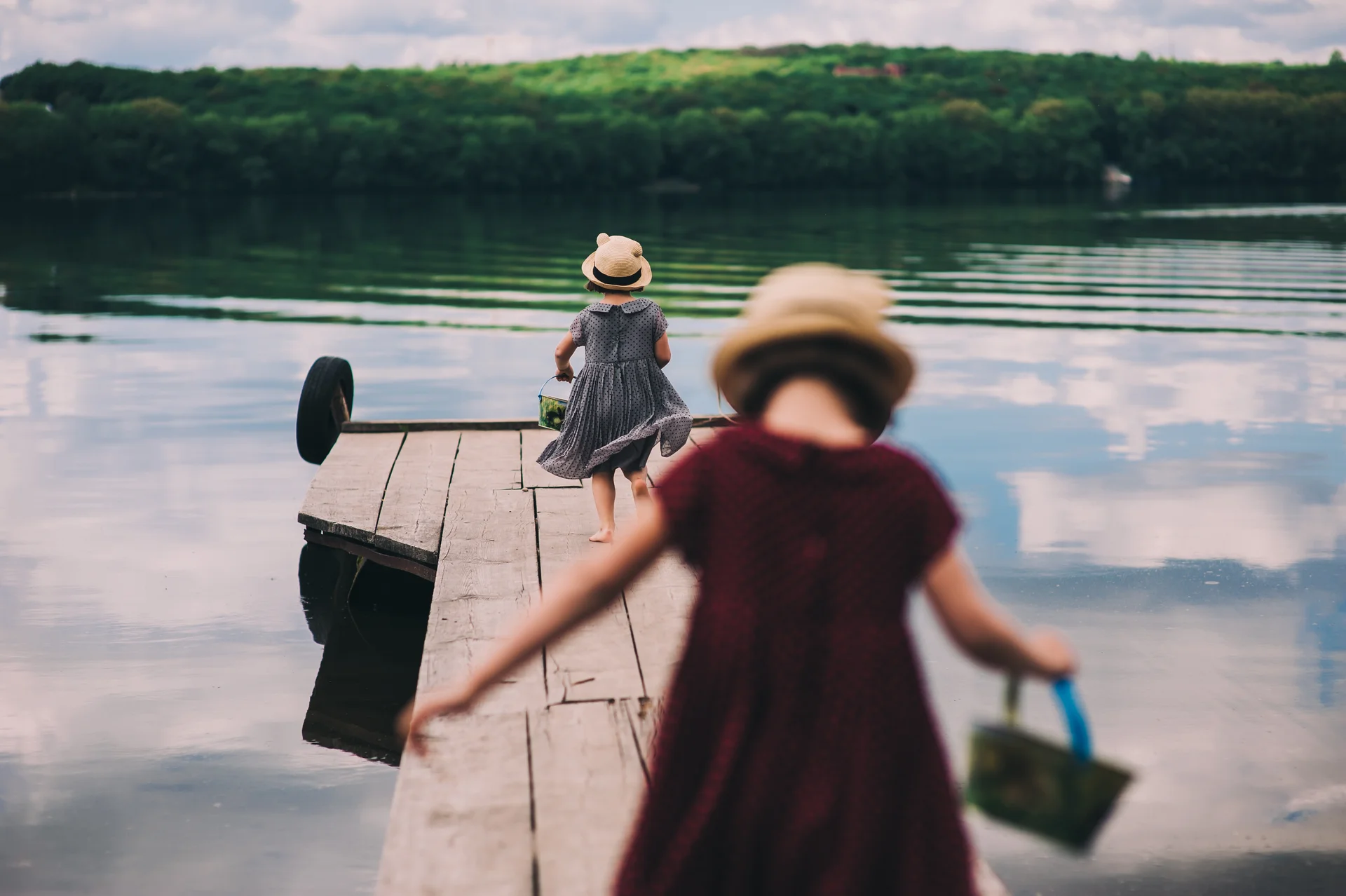
In 2026, more travelers are opting for secluded destinations to escape the hustle of urban life, a trend confirmed by a Deloitte survey indicating a 25% increase in rural tourism bookings. Data from the World Tourism Organization supports this, highlighting a 15% rise in visits to lesser-known natural reserves. This pivot towards long-haul holidays isn't just about relaxation—it's a deliberate strategy to reset mental well-being amid escalating global stressors. Imagine trading the blaring horns of city traffic for the symphony of rustling leaves and distant ocean waves, or swapping the glare of skyscrapers for the golden hues of a sunset over untouched landscapes. These experiences aren’t just vacations; they’re transformative journeys that reconnect travelers with the rhythms of nature and their own inner peace. For instance, the remote villages of Bhutan have seen a surge in visitors seeking spiritual renewal, while the pristine beaches of Fernando de Noronha in Brazil offer a sanctuary for those craving solitude and natural beauty. These destinations provide more than just a break—they offer a chance to step away from the relentless pace of modern life and rediscover what truly matters.
Visitor Tips
How to Get There
Frequently Asked Questions
Frequently Asked Questions
- Why are long-haul holidays becoming more popular in 2026?
- Long-haul holidays are surging in popularity in 2026 as travelers seek meaningful escapes from urban stress. Post-pandemic, 40% of vacationers now plan trips lasting over three weeks, prioritizing digital detoxes and immersive nature experiences. For example, destinations like the Azores have seen a 30% increase in bookings, as visitors crave the healing power of untouched landscapes, from volcanic craters to secluded hot springs. These trips offer more than relaxation—they provide a chance to reconnect with nature and oneself, away from the constant buzz of city life.
- What economic effects do long-haul holidays have on rural destinations?
- Long-haul travel significantly boosts rural economies, increasing local business revenue by up to 20% and creating jobs in hospitality and tourism. For instance, in the Scottish Highlands, tourism has revitalized small villages, with new guesthouses and artisan shops popping up to cater to visitors. However, this growth also brings challenges, such as rising living costs for locals and pressure on natural resources. Sustainable tourism practices, like community-led initiatives in Costa Rica, help balance economic benefits with environmental and cultural preservation, ensuring long-term success for these destinations.
- How do nature immersion holidays impact mental health?
- Nature immersion holidays offer profound mental health benefits, with studies showing a 30% improvement in mood and clarity. For example, travelers to Japan’s forests report reduced stress levels after practicing ‘shinrin-yoku’ (forest bathing), where the scent of pine and the sound of rustling leaves create a calming effect. Similarly, in Norway, the ‘friluftsliv’ (open-air living) culture encourages outdoor activities that boost well-being. These experiences help travelers disconnect from digital overload and reconnect with the natural world, leading to lasting emotional and psychological benefits.
- What challenges do rural destinations face with increased tourism?
- Increased tourism strains rural destinations, challenging their infrastructure, resources, and cultural integrity. For example, in Bali, over-tourism has led to water shortages and environmental degradation, while in the Swiss Alps, rising visitor numbers threaten fragile ecosystems. Local communities often grapple with balancing tourism growth and cultural preservation, as seen in Venice, where residents have protested against overtourism. Sustainable solutions, like visitor caps in Iceland’s popular sites, help mitigate these issues, ensuring that tourism remains a force for good without overwhelming the destination.