Thailand to host Maha Songkran World Water Festival 2026 with Saneh Art by Songkran Festival
Envision the city of Bangkok transformed into a sprawling water fight, where the sound of laughter and splashing water fills the air, and the
Envision the city of Bangkok transformed into a sprawling water fight, where the sound of laughter and splashing water fills the air, and the scent of street food and traditional Thai perfumes permeates the atmosphere. The Maha Songkran World Water Festival 2026 is a unique celebration that offers an immersive cultural experience, poised to draw half a million international visitors, projecting a 6% surge in tourism revenue. More than just numbers, this festival, backed by the Tourism Authority of Thailand (TAT), anticipates nearly six million domestic trips contributing a substantial 30.35 billion Baht. From April 11th to 30th, iconic locations like Benchakitti and Lumphini Parks will become epicenters of joyous tradition and modern innovation. This event aims to cement Thailand’s place as a global cultural hub, harmonizing age-old customs with contemporary flair. Get ready to dive into a world where water symbolizes renewal, community thrives, and unforgettable memories are made. As you explore the festival, you'll discover the richness of Thai culture, from the intricate designs of traditional clothing to the delicious flavors of local cuisine. With its unique blend of tradition and modernity, the Maha Songkran World Water Festival 2026 is an event that will leave you with a deeper understanding and appreciation of Thai culture.

What to Expect
Prepare to be drenched in a whirlwind of exhilaration and cultural immersion. The air crackles with the joyous screams of participants armed with water guns and buckets, their laughter echoing off the bustling streets. Imagine the cool splash of water against your skin, a welcome relief from the tropical heat, as you navigate through throngs of people celebrating with unrestrained glee. The scent of traditional Thai perfumes mixes with the savory aroma of street food, creating an intoxicating sensory tapestry. Visually, it's a kaleidoscope of colors, from the vibrant traditional clothing to the elaborate decorations adorning temples and public spaces. Feel the rhythmic pulse of traditional music as dancers sway gracefully, their movements telling ancient stories. Expect spontaneous water fights, vibrant cultural performances, and an overwhelming sense of community as everyone comes together to celebrate the Thai New Year.
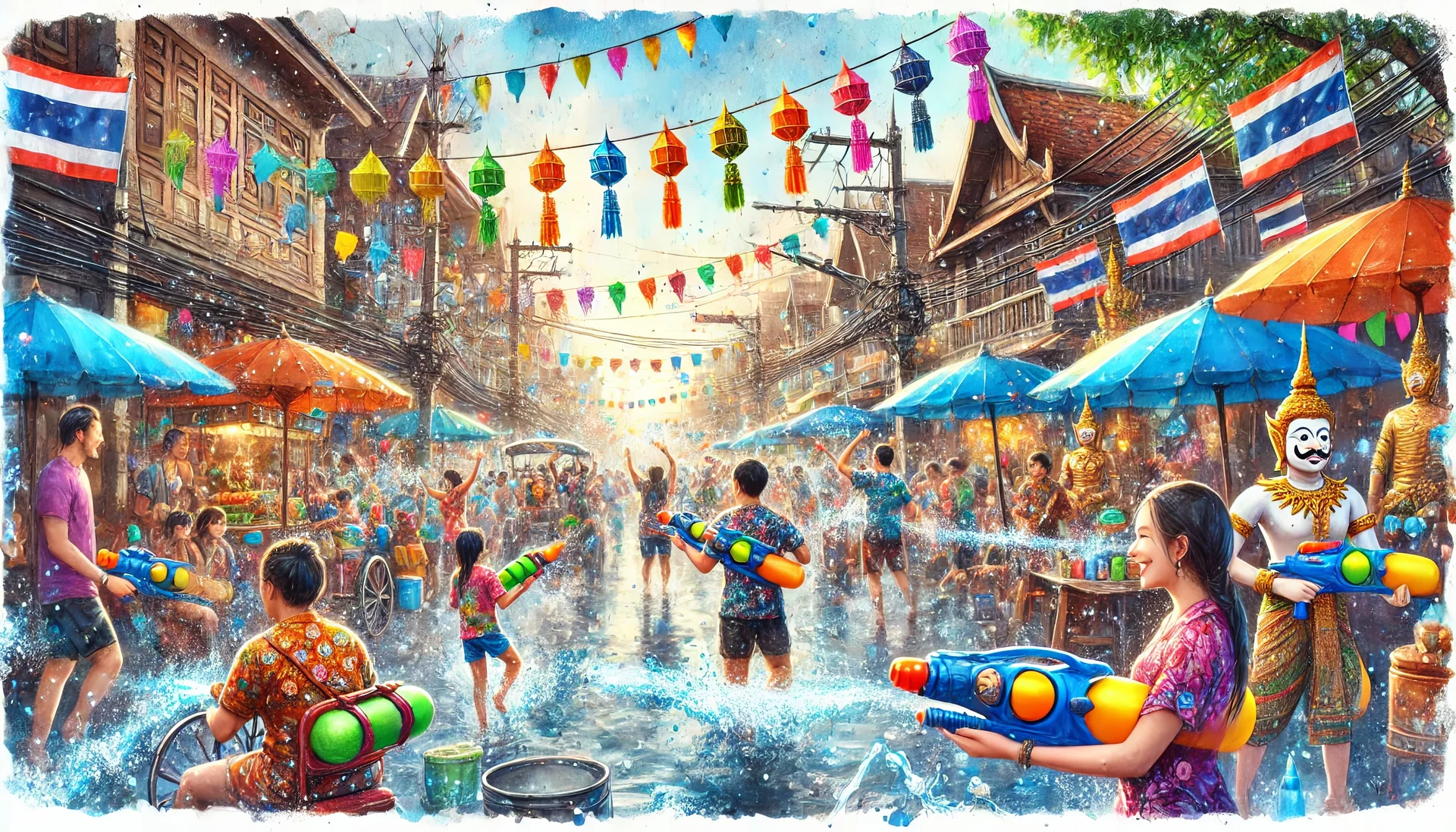
Thailand's Maha Songkran World Water Festival 2026 is poised to be a standout global event, with projections estimating 500,000 international arrivals and 6% revenue growth compared to the previous year. According to the Tourism Authority of Thailand (TAT), domestic travel is expected to reach nearly six million trips, contributing significantly to the anticipated 30.35 billion Baht in total revenue. This ambitious festival aims to solidify Thailand's reputation as a center for cultural tourism, blending traditional customs with modern creativity at prestigious venues like Benchakitti and Lumphini Parks in Bangkok. Imagine the jubilant cheers echoing through the streets, punctuated by the rhythmic splashing of water, as ancient traditions meet modern revelry in a vibrant spectacle. The air buzzes with anticipation, carrying scents of exotic street food mingled with the sweet fragrance of frangipani blossoms, all under the radiant Bangkok sun.
Visitor Tips
To make the most of your Songkran experience, consider these tips: **Best Time:** Visit during the official festival dates (April 11-30) for the full experience. Arrive early in the day to avoid the biggest crowds and heat. **Pro Tips:** * **Waterproof everything:** Protect your phone, wallet, and other valuables with waterproof cases or bags. * **Dress appropriately:** Wear light, quick-drying clothes and comfortable shoes that you don't mind getting wet. Avoid wearing white, as it can become see-through when wet. * **Respect local customs:** While the water fights are fun, be mindful of those who may not want to participate, especially monks, the elderly, and babies. * **Stay hydrated:** Drink plenty of water throughout the day to avoid dehydration. * **Learn a few basic Thai phrases:** Knowing how to say "hello" (sawatdee) and "thank you" (khop khun) will go a long way. Additionally, be aware of the local etiquette, such as removing your shoes when entering temples and avoiding public displays of affection. **Save Money:** * **Eat like a local:** Street food is delicious and affordable. * **Use public transportation:** The BTS Skytrain and MRT subway are efficient and cost-effective ways to get around Bangkok. * **Look for free activities:** Many temples and public spaces offer free cultural performances and activities during Songkran.
How to Get There
Getting to the Maha Songkran World Water Festival is relatively easy, with multiple transportation options available. For a more authentic experience, consider taking a taxi or tuk-tuk, which can provide a unique perspective on the city. Alternatively, the MRT and BTS Skytrain are efficient and cost-effective ways to reach key festival locations. A single journey ticket typically costs between 16-42 Baht depending on the distance. If you're looking for a more local experience, try using the songthaew, a red truck that serves as a shared taxi, which can be a fun and affordable way to get around the city. **Metro (MRT):** The MRT is an efficient way to reach key festival locations, particularly those near Lumphini Park. A single journey ticket typically costs between 16-42 Baht depending on the distance. **BTS Skytrain:** Use the BTS Skytrain to access areas around Benchakitti Park and other central locations. Fares range from 16-59 Baht per trip, depending on the number of stations you travel. **Taxi:** Taxis are readily available throughout Bangkok. Ensure the driver uses the meter. A typical taxi ride within the city center may cost between 80-200 Baht, depending on traffic and distance. **Car:** Driving is not recommended due to heavy traffic and limited parking during the festival. However, if you choose to drive, parking is available at shopping malls and designated parking areas, usually costing around 50-100 Baht per hour. **Airport Rail Link:** For those arriving at Suvarnabhumi Airport, the Airport Rail Link connects directly to the MRT and BTS lines, providing easy access to the city center. A ride to central Bangkok costs approximately 45 Baht.
Frequently Asked Questions
Frequently Asked Questions
- How is Thailand leveraging Songkran for economic growth?
- As the festival continues to grow in popularity, Thailand is using Songkran to boost tourism revenue, anticipating a 6% increase. With events across various regions attracting both international and domestic tourists, the local economies are directly impacted. By diversifying income sources through cultural tourism, the country aims to stabilize economic growth, making Songkran not just an economic asset but a cherished cultural tradition marking the Thai New Year, symbolizing renewal and cleansing. In fact, the Tourism Authority of Thailand (TAT) projects that the festival will attract 500,000 international visitors, contributing to the anticipated 30.35 billion Baht in total revenue.
- What innovations are being introduced at the 2026 Songkran Festival?
- The festival will incorporate modern elements like a large-scale drone light display, alongside traditional practices like merit-making ceremonies at local temples. These innovations aim to enhance visitor experiences and align with global trends for high-tech cultural events, thus attracting a broader audience. The blend of tradition and technology crafts a unique festival ambiance, encouraging higher attendance while maintaining respect for time-honored customs.
- What challenges does Songkran face in maintaining its cultural integrity?
- Balancing tradition with commercialization is Songkran's primary challenge. While integrating modern elements appeals to international visitors, there is a risk of diluting its cultural essence. Maintaining authenticity is crucial to preserving its UNESCO status while leveraging it for economic goals—a complex but manageable balancing act. It is essential to ensure that the spiritual and communal aspects of the festival, such as visiting temples and family gatherings, are preserved amidst the festivities.
- Who benefits from the Songkran Festival's expanded reach?
- Local businesses and regional communities stand to benefit significantly. Increased tourism traffic during Songkran stimulates local economies, driving income for vendors, hoteliers, and transport services. By involving regions outside Bangkok, the festival distributes economic benefits more evenly across the country, allowing diverse communities to showcase their unique cultural traditions and crafts.