The Best Afternoon Tea Sets In Hong Kong This Spring
Step into the world of Hong Kong’s afternoon tea renaissance, where the timeless tradition of tea drinking is being reimagined with a modern twist. In 2026, this culinary experience has evolved into a
Step into the world of Hong Kong’s afternoon tea renaissance, where the timeless tradition of tea drinking is being reimagined with a modern twist. In 2026, this culinary experience has evolved into a luxurious fusion of East and West, blending the artistry of high-end collaborations with the rich heritage of Chinese tea culture. As the city’s premier hotels and tea rooms compete to offer the most innovative and Instagram-worthy tea sets, diners are treated to an unparalleled sensory experience. From the delicate flavors of yuzu-infused pastries to the opulent presentations that rival fine dining, Hong Kong’s afternoon tea scene is a testament to the city’s ability to harmonize tradition with cutting-edge creativity. Whether you're a seasoned tea connoisseur or a curious traveler, this is one experience you won’t want to miss.

What to Expect
When you step into one of Hong Kong’s premier tea rooms, the first thing you’ll notice is the intoxicating aroma of freshly brewed teas—perhaps the nutty richness of hojicha or the floral notes of jasmine—wafting through the air. The ambiance is a feast for the senses: the soft murmur of conversations blends with the gentle clatter of teacups, while the warm glow of chandeliers casts a golden hue over plush seating. Visually, the experience is just as captivating. Tea sets arrive on tiered stands, each layer revealing a new delight—from delicate finger sandwiches with local ingredients like char siu or abalone, to intricately designed pastries that look too beautiful to eat. The textures are equally enticing: the flaky layers of a freshly baked scone, the smooth creaminess of clotted cream, and the crisp bite of a macaron. As you sip your tea, the flavors unfold in layers, each sip revealing a new dimension of taste. Whether you’re indulging in a classic English tea or a fusion set that incorporates Asian flavors, the experience is designed to be both comforting and exhilarating.
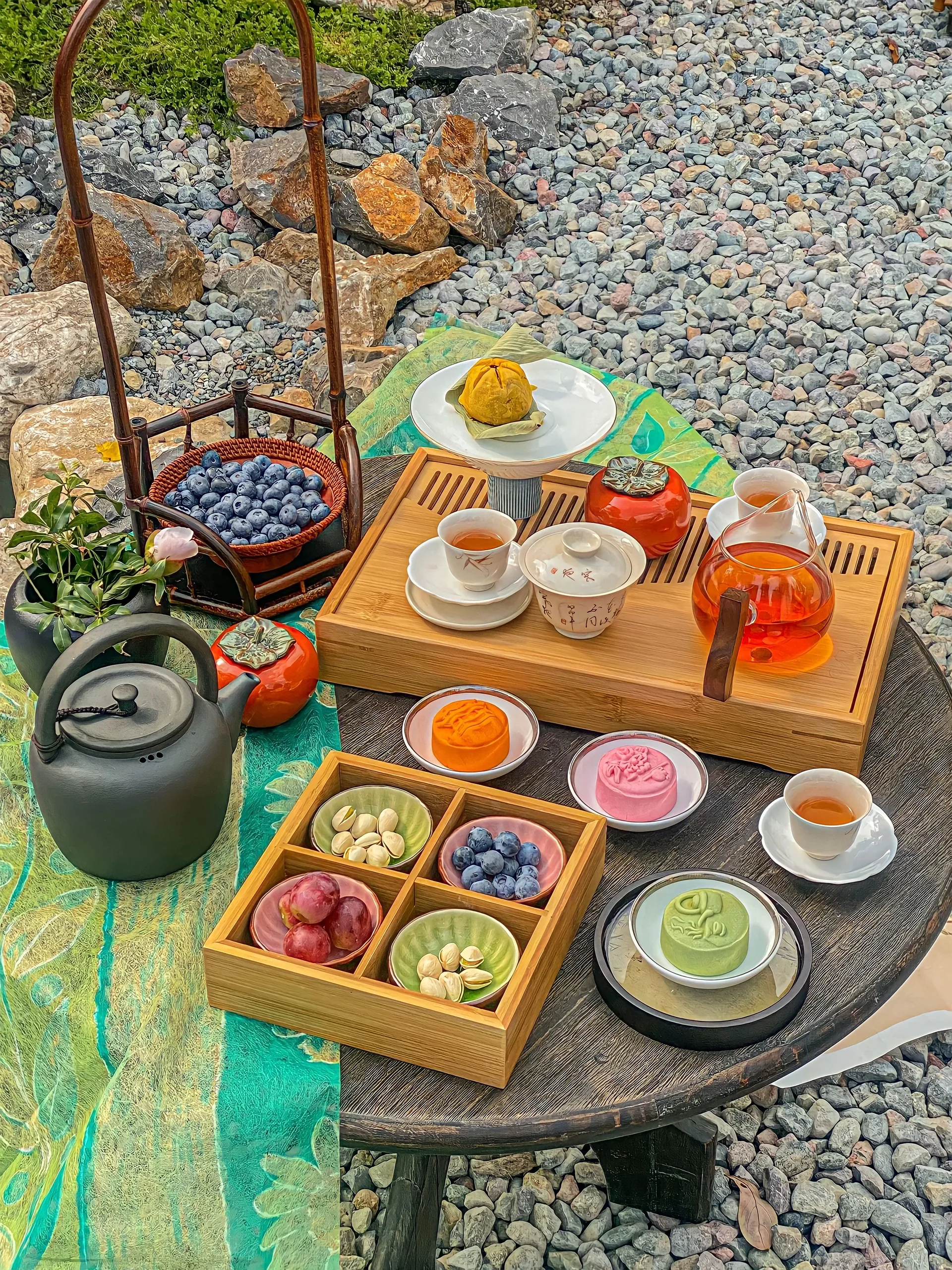
Afternoon tea in Hong Kong is undergoing a renaissance, reflecting changing consumer tastes and luxury brand alignments. According to a 2026 report from STR Global, dining experiences that fuse tradition with innovation are seeing a 22% increase in bookings. Some of Hong Kong's premier hotels have embraced this trend, crafting unique tea sets that intertwine culinary artistry with high-end collaborations. Picture this: the soft clink of fine porcelain, the delicate aroma of steaming hojicha tea mingling with the scent of freshly baked scones, and the sight of meticulously plated desserts that resemble edible art. The ambiance in venues like The Peninsula or The Ritz-Carlton is nothing short of enchanting—plush velvet seating, warm golden lighting, and the gentle hum of hushed conversations create an atmosphere of refined elegance. This shift indicates a broader trend towards experiential dining where heritage meets modern expectations, offering a multisensory journey that captivates both locals and visitors alike.
Visitor Tips
How to Get There
Frequently Asked Questions
Frequently Asked Questions
- What makes Hong Kong's afternoon tea sets unique?
- Hong Kong's tea sets blend tradition with innovation, offering a unique fusion of flavors and experiences. For instance, The Peninsula’s ‘The Art of Tea’ set features local ingredients like hojicha and yuzu, paired with classic Western pastries. Meanwhile, The Ritz-Carlton’s collaboration with Perrier-Jouët includes a champagne-infused tea set, elevating the experience to new heights. These offerings often incorporate high-end collaborations, such as the Saicho x Narciso Rodriguez tea set at The Langham, which combines aromatic teas with luxury fragrance notes. This cultural fusion distinguishes Hong Kong’s afternoon teas on the global stage, making them a must-try for any visitor.
- How have brand partnerships influenced afternoon tea menus?
- Brand partnerships have transformed afternoon tea menus into multisensory experiences. For example, the collaboration between The Mandarin Oriental and Leica Camera resulted in a ‘Photographer’s Tea Set,’ where each dish was designed to be visually stunning, perfect for Instagram. Similarly, the Perrier-Jouët x The Ritz-Carlton set includes a bottle of Belle Epoque champagne, adding a touch of luxury to the experience. These partnerships often introduce unique aromatic elements, such as the Narciso Rodriguez fragrance-inspired tea set at The Langham, which features teas infused with notes of musk and amber. Such collaborations leverage brand prestige to attract upscale clientele seeking elevated, one-of-a-kind experiences.
- Why are fusion tea sets gaining popularity?
- Fusion tea sets offer diverse flavor profiles that cater to global palates, blending Eastern and Western elements in creative ways. For example, the ‘East Meets West’ set at The Four Seasons combines dim sum favorites like har gow with classic scones and clotted cream. This approach resonates with consumers who seek novel experiences, capturing the interest of both locals and tourists. The fusion also reflects broader cultural exchanges in Hong Kong, as seen in the ‘Mooncake Tea Set’ at The Shangri-La, which incorporates traditional mooncake flavors into a Western-style tea service. These sets provide a unique way to experience Hong Kong’s culinary diversity.
- Are there any criticisms of this luxury tea trend?
- Critics point to sustainability concerns and the potential dilution of authentic culinary experiences. For instance, some argue that the focus on luxury collaborations, like the Chanel-inspired tea set at The Landmark Mandarin Oriental, overshadows traditional tea practices. Additionally, the high cost of these experiences—some sets exceed HKD 800 (USD 100) per person—can make them inaccessible to many. However, some venues are addressing these concerns. The Langham, for example, has introduced sustainable practices like biodegradable packaging and locally sourced ingredients to mitigate environmental impact while maintaining luxury appeal.