The Best Photography Spots in Barcelona
Barcelona's photographic opportunities extend far beyond the famous Sagrada Familia or Park Güell that dominate every tourist's camera roll. You'll discover that this Mediterranean city offers countle
Barcelona's photographic opportunities extend far beyond the famous Sagrada Familia or Park Güell that dominate every tourist's camera roll. You'll discover that this Mediterranean city offers countless vantage points where light, architecture, and culture converge in ways that'll transform your visual storytelling. The reality is that the best photography spots in Barcelona aren't always the most crowded attractions" class="internal-link">attractions - they're often hidden in residential neighborhoods, along the Gothic Quarter's narrow alleys, or atop lesser-known viewpoints where you can capture the city without battling crowds of tripod-wielding tourists. Here's the thing about Barcelona photography: timing matters enormously. You'll get dramatically different results shooting at 7am versus noon, and understanding Barcelona's light patterns will elevate your images from snapshot to something genuinely striking. Whether you're a professional photographer scouting locations or a traveler who wants to capture authentic moments, you'll need to venture beyond the main tourist zones. Plan for 2-3 hours minimum to explore even a single neighborhood properly - rushing through these areas means missing the subtle architectural details, the golden hour reflections on medieval stone, and the candid moments that make Barcelona photography so rewarding. The weather here is generally cooperative year-round, though summer heat creates harsh midday shadows that'll frustrate your work, while winter offers softer, more directional light that photographers genuinely prefer.
What to Expect
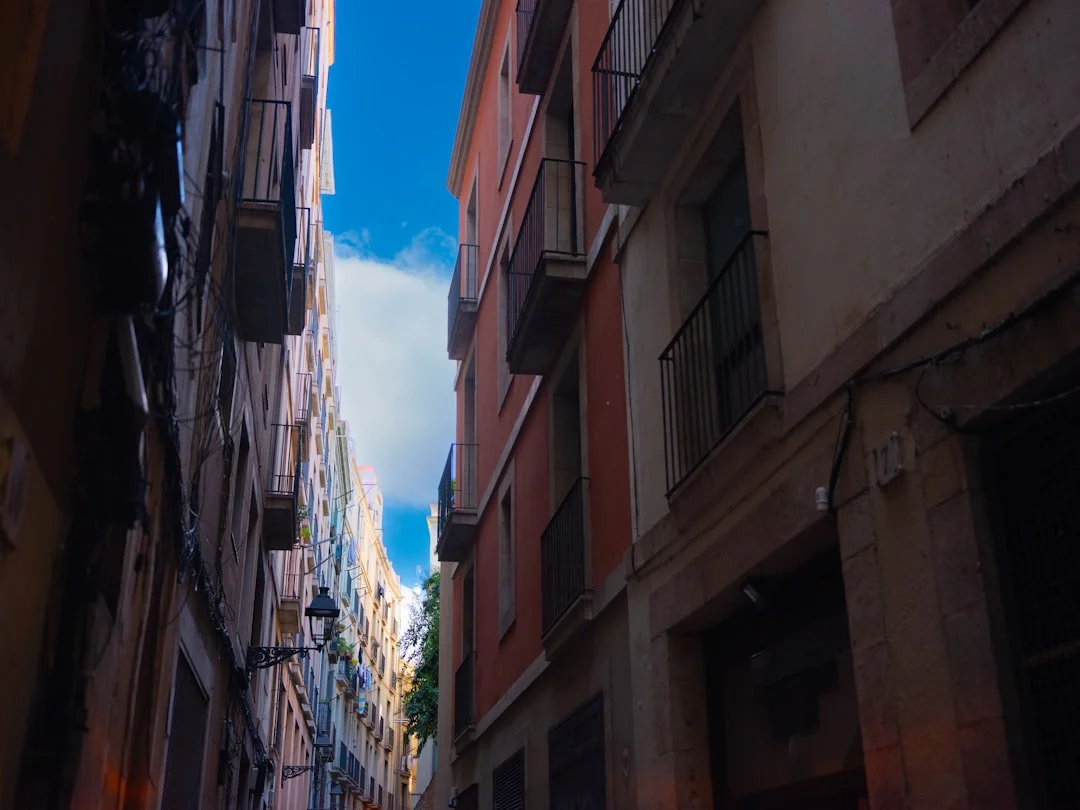
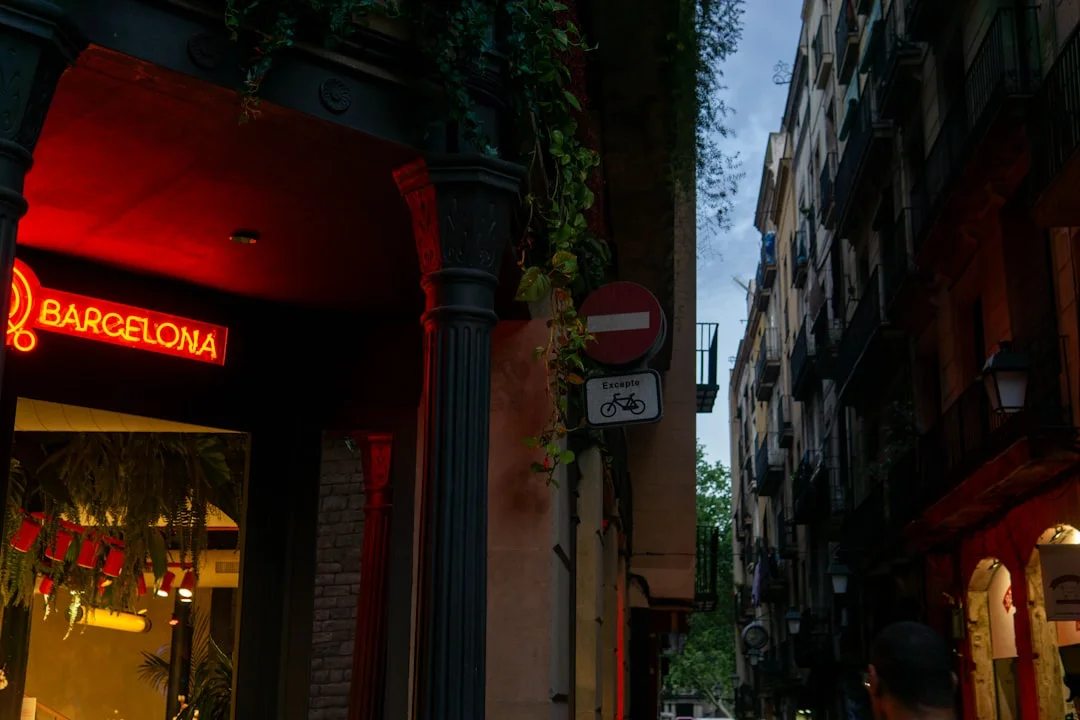
When you're hunting for the best photography spots in Barcelona, you'll discover a city that rewards slow exploration and patience. The Gothic Quarter presents perhaps the most photogenic concentration - you'll encounter narrow medieval streets where light filters through ancient archways, creating dramatic contrast and shadow patterns on weathered stone walls that date back 2,000 years. The air here feels cooler and carries the faint scent of aged mortar and centuries of foot traffic. Walking these tight passages at dawn, before crowds arrive, you'll hear only your footsteps echoing off stone, giving you both visual clarity and acoustic isolation that's essential for street photography. The Barcelona Cathedral emerges suddenly from these winding streets, its Gothic facade demanding multiple angles and several hours of attention to capture properly. Moving toward the waterfront, you'll find yourself at the Port Vell area where the contrast between historic dockside architecture and modern cable cars creates compositional opportunities that work in both color and black-and-white formats. You can position yourself along the wooden boardwalk where reflections bounce off the water's surface - particularly magical during golden hour when the light turns honey-colored and bathes everything in warmth. The sea breeze here carries salt and the distant industrial sounds of the working port, grounding your experience in the city's maritime heritage. The Bunkers del Carmel offer perhaps Barcelona's most underrated panoramic photography location. You'll climb approximately 150 steps to reach this abandoned 1930s military structure positioned 259 meters above sea level, rewarding you with 360-degree views where you can capture the entire city from Montjuïc to the Sagrada Familia. The feel of weathered concrete beneath your hands, the echo of your footsteps in empty gun emplacements, and the wind that consistently sweeps across the ridge - these sensory details remind you why this spot matters. Here's the thing: most tourists never reach here because it's not on official tour maps, meaning you'll often have the panoramic vista entirely to yourself during midday hours. Montjuïc itself deserves considerable time investment. The Magic Fountain plaza offers architectural geometry and dynamic water choreography if you position yourself correctly - the fountain's illumination after dark creates reflective surfaces that interact with the surrounding neoclassical buildings in ways that'll challenge your technical skills. The nearby Fundació Joan Miró building's modernist structure provides clean lines and interesting shadow play. Walking through these plazas, you'll feel the weight of intentional urban design - every sightline seems deliberately composed. Don't overlook the residential neighborhoods like Gràcia, where you'll find plazas with centuries-old trees creating dappled light patterns, small cafes with character, and street-level perspectives that reveal how locals actually live. The light here feels intimate and warm, filtering through leaves and between close-packed buildings in ways that create natural color palettes. You'll smell coffee, fresh bread, and flowering vines - sensory details that capture Barcelona's everyday life. But honestly, accessibility requires realistic assessment. You'll need sturdy footwear because Barcelona's medieval streets feature uneven cobblestones and unexpected elevation changes that'll challenge your stability while you're focusing on composition. Summer heat between 1pm-4pm makes outdoor photography genuinely uncomfortable - the harsh shadows and glare will frustrate your technical work. Peak tourist seasons mean certain spots become genuinely crowded by mid-morning, compromising both your creative space and the authentic character you came to photograph.
Barcelona's photographic opportunities extend far beyond the famous Sagrada Familia or Park Güell that dominate every tourist's camera roll. You'll discover that this Mediterranean city offers countless vantage points where light, architecture, and culture converge in ways that'll transform your visual storytelling. The reality is that the best photography spots in Barcelona aren't always the most crowded attractions - they're often hidden in residential neighborhoods, along the Gothic Quarter's narrow alleys, or atop lesser-known viewpoints where you can capture the city without battling crowds of tripod-wielding tourists. Here's the thing about Barcelona photography: timing matters enormously. You'll get dramatically different results shooting at 7am versus noon, and understanding Barcelona's light patterns will elevate your images from snapshot to something genuinely striking. Whether you're a professional photographer scouting locations or a traveler who wants to capture authentic moments, you'll need to venture beyond the main tourist zones. Plan for 2-3 hours minimum to explore even a single neighborhood properly - rushing through these areas means missing the subtle architectural details, the golden hour reflections on medieval stone, and the candid moments that make Barcelona photography so rewarding. The weather here is generally cooperative year-round, though summer heat creates harsh midday shadows that'll frustrate your work, while winter offers softer, more directional light that photographers genuinely prefer.
Visitor Tips
TIMING YOUR VISITS: The absolute best time to photograph Barcelona is between September-October and March-April when temperatures hover around 15-20 degrees Celsius and the light quality reaches its peak. You'll experience longer shadow play, richer color saturation, and fewer tourists crowding your compositions. Avoid July-August entirely if possible - the harsh overhead sun creates unflattering shadows, and you'll share every location with thousands of other photographers. Within each day, arrive at your chosen spot at least 30 minutes before sunrise. This early morning window delivers soft, directional light while the city remains mostly quiet. You'll notice fog rolling in from the Mediterranean on cooler mornings - this actually creates exceptional atmospheric photography opportunities. Weekdays consistently outperform weekends - Tuesday through Thursday typically see 40-50% fewer tourists than Saturday-Sunday, allowing you to work without constant interruptions. INSIDER TIPS: First, invest time learning the 40+ plazas (playas) throughout Barcelona's neighborhoods - each offers distinct character and light patterns. Scout locations during off-peak hours first, then return during your preferred lighting conditions. Many residents resent aggressive photography in their neighborhoods, so always ask permission before photographing people. Bring a lightweight tripod because handheld shooting in low-light situations like the Gothic Quarter's medieval streets will deliver soft, unusable images. You'll discover that shooting during blue hour (30 minutes after sunset) provides exceptional opportunities because artificial lighting comes alive while sky retains deep color. Download offline maps because cellular coverage in older neighborhoods can be unreliable. Position yourself for backlighting whenever possible - photographing subjects with light sources behind them creates natural rim-lighting that separates your subject from background. The Tibidabo viewpoint (accessed by tram and funicular) offers westward-facing perspectives perfect for sunset photography, but arrive 90 minutes early to secure position on crowded days. MONEY-SAVING APPROACHES: You don't need expensive equipment to capture compelling Barcelona images - a smartphone with decent low-light performance actually handles the city's contrasty environments effectively. Walking is your primary transportation between photography spots - this saves money while allowing you to discover locations that guided tours never mention. Book museum photography passes (where allowed) through their websites 7+ days ahead for potential discounts. The T-mobilitat transit card (10-ride passes) costs less than individual tickets and you'll need transit for reaching elevated viewpoints like Bunkers del Carmel and Tibidabo. Visit during free museum hours (usually the first Sunday of each month for many institutions) if you want interior photography opportunities without admission costs. Pack your own water and snacks from local supermarkets rather than paying tourist-area cafe markups - you'll stay hydrated and save 60-70% compared to restaurant purchases. Many churches and religious sites allow photography in specific areas during specific hours - research these schedules in advance rather than arriving randomly.
How to Get There
NAVIGATING BY METRO: Barcelona's metro system reaches most major photography locations efficiently. The L3 (green) line connects central Barcelona to the Bunkers del Carmel station (approximately 2-minute walk to the summit). For the Gothic Quarter, use the L4 (yellow) line exiting at Jaume I station - you'll walk 3-4 minutes through medieval streets to reach the Cathedral. The L2 (purple) line serves Port Vell by stopping at Drassanes, placing you directly at the waterfront. Each metro ride costs approximately 2.45 euros for a single ticket, though 10-ride passes (T-mobilitat) offer better value if you're visiting multiple locations. English signage throughout the metro system is clear, though map orientation can be confusing - download the official TMB app before arrival for real-time navigation. TAXI AND RIDESHARE OPTIONS: From Passeig de Gràcia (the city's main avenue), a taxi to Bunkers del Carmel costs approximately 12-15 euros and requires 12-15 minutes depending on traffic. Uber operates throughout Barcelona with similar pricing to taxis. However, rideshare drops you at the base of the bunkers, requiring you to walk uphill 8-10 minutes to reach the actual viewpoint. For Port Vell, taxis from central hotels typically cost 8-12 euros with 10-minute transit times. The Gothic Quarter is genuinely walkable from most central hotels - approximately 10-15 minutes on foot from Plaça Reial or Plaça Jaume I. PARKING AND CAR RENTAL: Renting a car in Barcelona is generally unnecessary and actively frustrating - the city's narrow medieval streets don't accommodate vehicles, and parking costs run 2-3 euros per hour in commercial garages. If you do rent a car for exploring beyond Barcelona proper (the Montserrat region or Costa Brava), expect to leave it in your hotel's parking garage during city exploration. Major car rental agencies operate at Barcelona-El Prat Airport, approximately 12 kilometers south of central Barcelona, with shuttle service available. The reality is that you'll waste more time navigating Barcelona's confusing street layout and finding parking than you'd spend on efficient metro travel.
Frequently Asked Questions
Frequently Asked Questions
- How much does it cost to visit the best photography spots in Barcelona?
- Most of Barcelona's best photography locations are free to access - the Gothic Quarter, Bunkers del Carmel, and residential neighborhoods require no admission fees. You'll only pay for transportation (metro fares around 2.45 euros per trip) and optionally, museum visits if you want interior photography access. Budget approximately 10-15 euros daily for transit if visiting multiple neighborhoods. The main expense becomes accommodation, meals, and any paid viewpoint attractions like Sagrada Familia's interior tours, which enhance certain photographic angles but aren't essential.
- Is Barcelona worth visiting specifically for photography in 2026?
- Yes, absolutely - Barcelona's photographic value actually increases if you avoid peak tourist seasons and focus on lesser-known locations. If you're targeting iconic landmarks like Sagrada Familia, you'll compete with millions of similar images. But if you're interested in authentic urban photography, medieval architecture, and European light quality, Barcelona delivers exceptional opportunities that'll reward your technical skills. The city's neighborhoods, from Gothic to Gràcia, offer compositional depth that justifies 3-5 dedicated photography days.
- What is the best time to visit Barcelona for photography?
- September-October and March-April provide optimal light conditions - temperatures around 15-20 degrees Celsius, minimal haze, and directional sunlight that creates rich shadows and color saturation. Within your day, arrive 30 minutes before sunrise for the softest light, or plan for blue hour (30 minutes after sunset) for atmospheric evening shots. Weekdays outperform weekends by roughly 40-50% fewer crowds. Avoid July-August's harsh overhead sun entirely if you're serious about your image quality. Weather-wise, rain occasionally provides moody atmospheric opportunities that skilled photographers appreciate.
- How long does it take to photograph the best spots in Barcelona?
- Plan minimum 2-3 hours per neighborhood if you're working methodically. The Gothic Quarter alone deserves 3-4 hours to explore properly and capture different light angles. Bunkers del Carmel requires 1.5 hours including the uphill walk and time positioning yourself for panoramic compositions. If you're visiting 3-4 major photography locations plus neighborhoods, allocate 5-7 full days for genuinely thorough exploration. Day-trippers can hit 2-3 spots in 8 hours, but you'll sacrifice depth and optimal lighting conditions.
- Do I need to book photography permits or permissions in advance?
- Commercial photography (anything generating income) requires permits from Barcelona's municipal authorities - you'll need to contact the city's licensing office 15-30 days before shooting. Hobbyist and personal photography requires no permits. However, you should request permission before photographing private individuals, particularly in residential neighborhoods where residents may resent intrusive camera work. Museums and religious sites have varying photography policies - some prohibit tripods or flash, others restrict interior photography entirely. Research specific locations on their official websites before arrival.
- Is Barcelona photography suitable for beginners or children?
- Absolutely - Barcelona's visual richness works for any skill level. Beginners will find that the city's architectural variety teaches compositional lessons naturally. Children aged 8+ will enjoy exploring neighborhoods and using smartphones for creative photography. However, Bunkers del Carmel requires climbing 150+ steps and navigating uneven terrain - this suits children aged 10+ with moderate fitness. The Gothic Quarter's cobblestone streets can challenge younger children's stability. No age restrictions exist for most outdoor photography locations.
- What should I wear when photographing Barcelona?
- Wear sturdy walking shoes with good ankle support - Barcelona's medieval streets feature unpredictable cobblestones and elevation changes that'll cause fatigue in inadequate footwear. Layer your clothing because mornings and evenings feel cool (50-55 degrees Fahrenheit in shoulder seasons) while midday sun provides warmth. Bring a hat and sunscreen because Mediterranean sun reflects intensely off stone surfaces. In summer, wear lightweight, breathable clothing to manage 25+ degree heat. Carry a lightweight jacket or fleece - unexpected weather changes occur frequently, especially near the coast.
- Are photos allowed at all photography locations in Barcelona?
- Personal photography is allowed everywhere except inside certain churches during services and within specific museum galleries that restrict it. Most religious sites permit photography in designated areas outside the altar. Sagrada Familia, for instance, allows photography but prohibits tripods and commercial shoots. Museums vary significantly - the Fundació Joan Miró permits photography, while some galleries prohibit flash only. Always check signage upon entry. Photographing individuals without permission is legally and ethically problematic - request permission before including people in your compositions.
- How do I avoid tourist crowds while photographing Barcelona's iconic locations?
- Arrive at least 45-60 minutes before sunrise - this window provides empty streets, optimal light, and minimal foot traffic. Visit during September-November or March-April rather than peak summer months. Explore residential neighborhoods (Gràcia, Sant Antoni) instead of famous tourist zones - you'll find equal photographic quality with 80-90% fewer people. Weekday mornings consistently outperform weekend afternoons. Use the Bunkers del Carmel and lesser-known plazas that don't appear in mainstream guidebooks. Avoid photography during tour group operating hours (typically 10am-4pm on weekdays).
- What camera settings work best for Barcelona's Mediterranean light?
- Barcelona's bright Mediterranean light requires careful exposure metering - use spot metering to preserve highlight detail in pale stone architecture. Early morning light benefits from ISO 100-400 and apertures around f/5.6-f/8 for adequate depth. Evening blue hour photography demands ISO 800+ and slower shutter speeds (1-2 seconds) if working handheld. The city's strong contrast between sunlit areas and shadows means you'll need either exposure bracketing or graduated neutral density filters to balance sky and ground exposure. RAW format capture provides maximum flexibility during post-processing for managing Barcelona's challenging light ratios.