The Best Santa Monica Restaurants, According to Eater Editors
Santa Monica's restaurant scene has undergone significant change in the past 12 months, with Eater editors documenting the closure of established venues and the emergence of new operators reshaping th
Santa Monica's restaurant scene has undergone significant change in the past 12 months, with Eater editors documenting the closure of established venues and the emergence of new operators reshaping the coastal city's dining landscape. The Third Street Promenade and pier-adjacent corridors continue to attract roughly 25 million visitors annually to Santa Monica, according to the Santa Monica Convention & Visitors Bureau, yet the challenge for diners remains separating legitimate culinary destinations from tourist-oriented establishments that prioritize foot traffic over food quality. Eater's 2026 update reflects these shifts: the departure of Birdie G's, a Jewish American restaurant that closed in December 2025, coincides with the arrival of Holy Basil's Santa Monica location, signaling how the market continues to reward specialized cuisines and operator expertise. This analysis examines how Santa Monica's dining sector is recalibrating after recent closures and what the current roster of establishments reveals about consumer preferences in beachside hospitality.

What to Expect
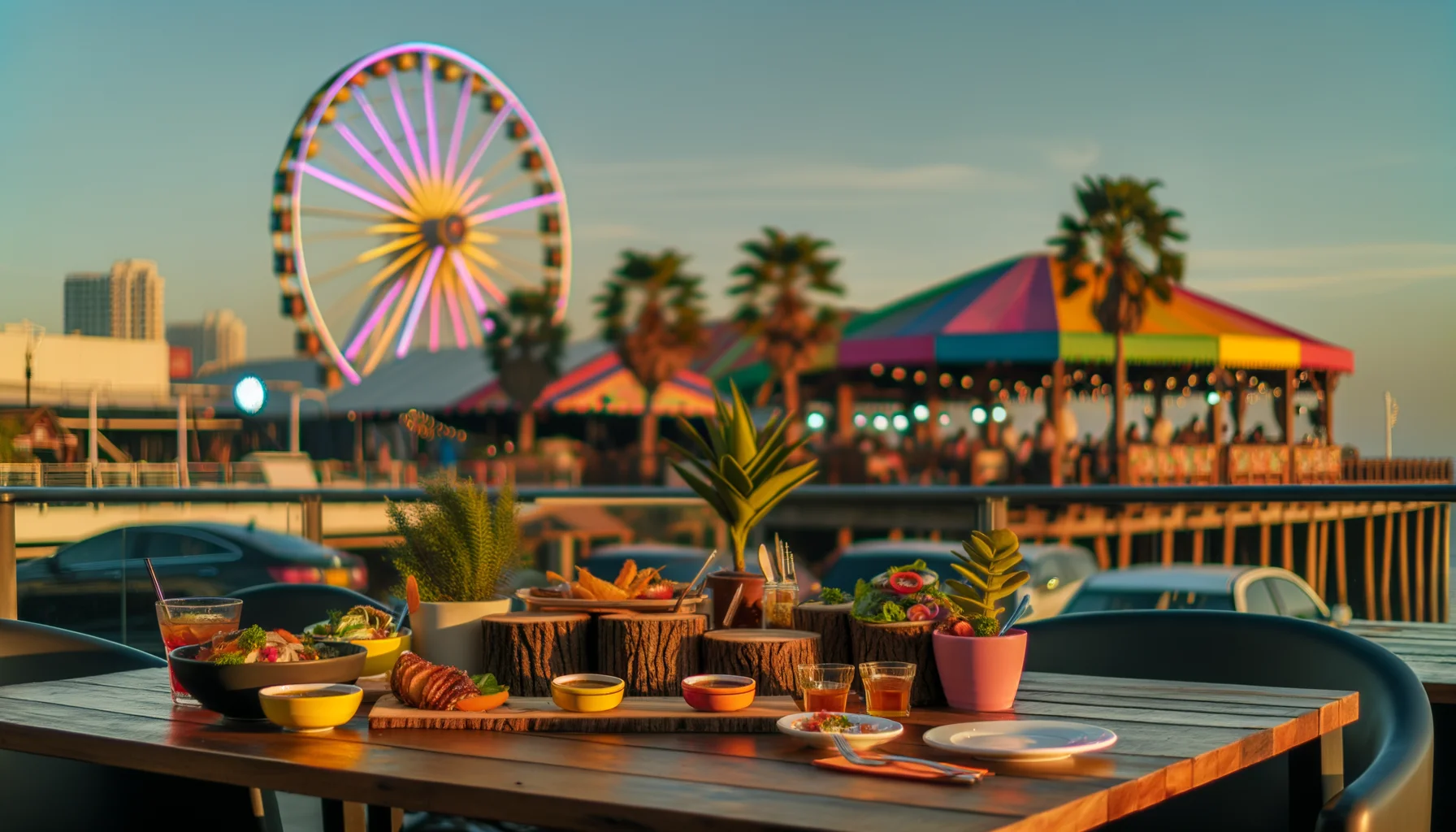
Stepping into Santa Monica’s dining scene is like entering a vibrant coastal marketplace where the salty ocean breeze mingles with the rich aromas of sizzling garlic, fresh herbs, and grilled seafood. The air hums with the lively chatter of diners, the clinking of glasses, and the occasional laughter from nearby patios, all set against the backdrop of golden California sunlight filtering through palm trees. As you explore, you’ll notice the contrast between the polished, upscale interiors of fine dining establishments—think sleek marble countertops, soft ambient lighting, and the faint scent of aged wine—and the more casual, bustling spots where the clatter of plates and the sizzle of woks create an energetic atmosphere. The flavors are just as diverse, from the tangy zest of citrus-infused ceviche to the deep, smoky notes of wood-fired pizzas, each dish reflecting the city’s blend of innovation and tradition. Whether you're seated on a rooftop with panoramic ocean views or tucked into a cozy corner of a hidden gem, the sensory experience is undeniably immersive, making every meal feel like a celebration of Santa Monica’s dynamic culinary culture.
Santa Monica's restaurant scene has undergone significant change in the past 12 months, with Eater editors documenting the closure of established venues and the emergence of new operators reshaping the coastal city's dining landscape. The Third Street Promenade and pier-adjacent corridors continue to attract roughly 25 million visitors annually to Santa Monica, according to the Santa Monica Convention & Visitors Bureau, yet the challenge for diners remains separating legitimate culinary destinations from tourist-oriented establishments that prioritize foot traffic over food quality. Eater's 2026 update reflects these shifts: the departure of Birdie G's, a Jewish American restaurant that closed in December 2025, coincides with the arrival of Holy Basil's Santa Monica location, signaling how the market continues to reward specialized cuisines and operator expertise. This analysis examines how Santa Monica's dining sector is recalibrating after recent closures and what the current roster of establishments reveals about consumer preferences in beachside hospitality.
Visitor Tips
To make the most of your dining experience in Santa Monica, timing is everything. **Best Time to Visit:** Aim for weekday lunches or early dinners (before 6 PM) to avoid the peak tourist crowds and secure a table without long waits. If you’re visiting on a weekend, consider making reservations at least a week in advance, especially for popular spots like Holy Basil or other Eater-recommended venues. **Pro Tips:** Parking can be a challenge, so arrive early or use rideshare services to save time. Many restaurants offer happy hour specials (typically 3–6 PM), where you can enjoy discounted drinks and small plates—perfect for sampling multiple dishes without breaking the bank. **Save Money:** Look for prix-fixe lunch menus, which often provide the same high-quality experience as dinner but at a fraction of the cost. Additionally, explore the smaller eateries just off the Third Street Promenade, where you’ll find equally delicious food with a more local vibe and lower prices. Finally, don’t hesitate to ask servers for recommendations—they often know the best dishes and can help you navigate the menu like a pro.
How to Get There
Santa Monica is easily accessible by multiple transportation options, making it convenient for both locals and visitors. **By Metro:** The Expo Line light rail (E Line) is one of the most efficient ways to reach Santa Monica, with a terminus at Downtown Santa Monica Station, just a short walk from the Third Street Promenade and the pier. A one-way fare costs $1.75, and trains run every 10–15 minutes during peak hours. **By Taxi/Rideshare:** Taxis and rideshare services like Uber and Lyft are widely available, with fares from LAX to Santa Monica typically ranging from $25–$40 depending on traffic and demand. For a more budget-friendly option, consider shared rides, which can reduce costs by 20–30%. **By Car:** If you’re driving, Santa Monica is accessible via the I-10 freeway, but be prepared for traffic, especially during rush hours (7–10 AM and 4–7 PM). Parking near the pier and Third Street Promenade is limited and can cost $10–$30 for a few hours, so consider using public parking structures like the one at 1437 4th St, which offers validated parking for some restaurants. **By Bike:** Santa Monica is bike-friendly, with dedicated lanes and the popular Bike Share program (Breeze Bike Share), which costs $7 for a 24-hour pass. Biking along the beachfront path is a scenic way to arrive and explore the area at your own pace.
Frequently Asked Questions
Frequently Asked Questions
- What factors contributed to Birdie G's closure in December 2025?
- Rising commercial rents in Santa Monica, averaging $35-$55 annually per square foot according to CBRE's 2025 report, combined with the challenge casual restaurants face maintaining customer loyalty in a market increasingly dominated by delivery platforms and ghost kitchens. The Jewish American restaurant lacked the operational scale or brand recognition of established chains needed to justify those costs in a competitive coastal market where profit margins remain tight.
- Why is Holy Basil's Santa Monica location significant for the market?
- Holy Basil's expansion signals that consumers will pay premium prices ($45-$85 per entree) for cuisines perceived as authentic and technically skilled. The operator identified that Santa Monica's 6.8 million annual pier visitors provide sufficient demand for destination dining positioned around elevated ingredients and execution rather than casual atmosphere, reflecting broader Los Angeles market trends favoring fine dining over casual segments.
- How does Santa Monica's restaurant market differ from broader Los Angeles trends?
- Santa Monica experiences accelerated upscaling compared to Los Angeles overall. Casual dining contracted 4.2 percent county-wide between 2024-2026 while fine dining increased 2.8 percent, but Santa Monica's median household income of $92,400 and tourism concentration means the shift toward premium dining happens faster and more completely in this specific zip code than in less affluent neighborhoods.
- What does Eater's editorial selection process reveal about restaurant success?
- Eater features generate 35-50 percent increases in reservation requests within two weeks of publication, according to Resy data, demonstrating that editorial curation still outweighs social media for driving high-value customers. This creates incentives for operators to pursue coverage, but Eater's methodology relying on editor experience introduces bias toward cuisines and concepts aligned with contemporary trends rather than comprehensive market representation.
- Are tourist restaurants in Santa Monica genuinely lower quality?
- Tourist-oriented establishments face structural challenges maintaining quality because high foot traffic volume prioritizes turnover over ingredient care and technique. However, calling all tourist restaurants inferior oversimplifies the market—some establish strong reputations despite high traffic. The distinction lies in whether operators invest consistently in training and sourcing regardless of whether customers have local repeat-visit expectations or are transient visitors.