The most expensive cup of tea in Bangkok
Bangkok has always been a city of contrasts—where neon-lit skyscrapers tower over ancient temples, and street food stalls share sidewalks with Michelin-starred restaurants. But few things highlight th
Bangkok has always been a city of contrasts—where neon-lit skyscrapers tower over ancient temples, and street food stalls share sidewalks with Michelin-starred restaurants. But few things highlight this divide as sharply as the story of Deep Tea in Ladprao, where a single cup of matcha tea costs a staggering 3,900 baht—more than many locals earn in a day. This isn’t just about tea; it’s a microcosm of the city’s evolving economic landscape, where luxury and affordability exist side by side, often in the same neighborhood. For travelers and locals alike, the experience raises questions: Is this the future of urban consumption, or a fleeting trend fueled by global luxury demand? And what does it say about the changing face of Bangkok, a city where tradition and modernity are constantly colliding?

What to Expect
Walking into Deep Tea, the first thing you’ll notice is the hush—an almost sacred silence broken only by the soft rustle of bamboo mats and the occasional murmur of conversation. The scent of freshly ground matcha fills the air, earthy and slightly sweet, mingling with the faint aroma of incense. The decor is a study in understated elegance: warm wooden tables, handcrafted ceramic bowls, and a counter where baristas move with the precision of artisans. The matcha itself arrives in a delicate bowl, its vibrant green hue almost glowing under the soft lighting. The first sip is a revelation—bitter yet smooth, with a depth of flavor that lingers long after you’ve finished. Around you, the clientele is a mix of well-heeled locals and curious tourists, all drawn by the allure of exclusivity. Outside, the sounds of Bangkok’s streets—honking tuk-tuks, chattering vendors, and the distant hum of a skytrain—fade into the background, creating a bubble of tranquility in the heart of the city.
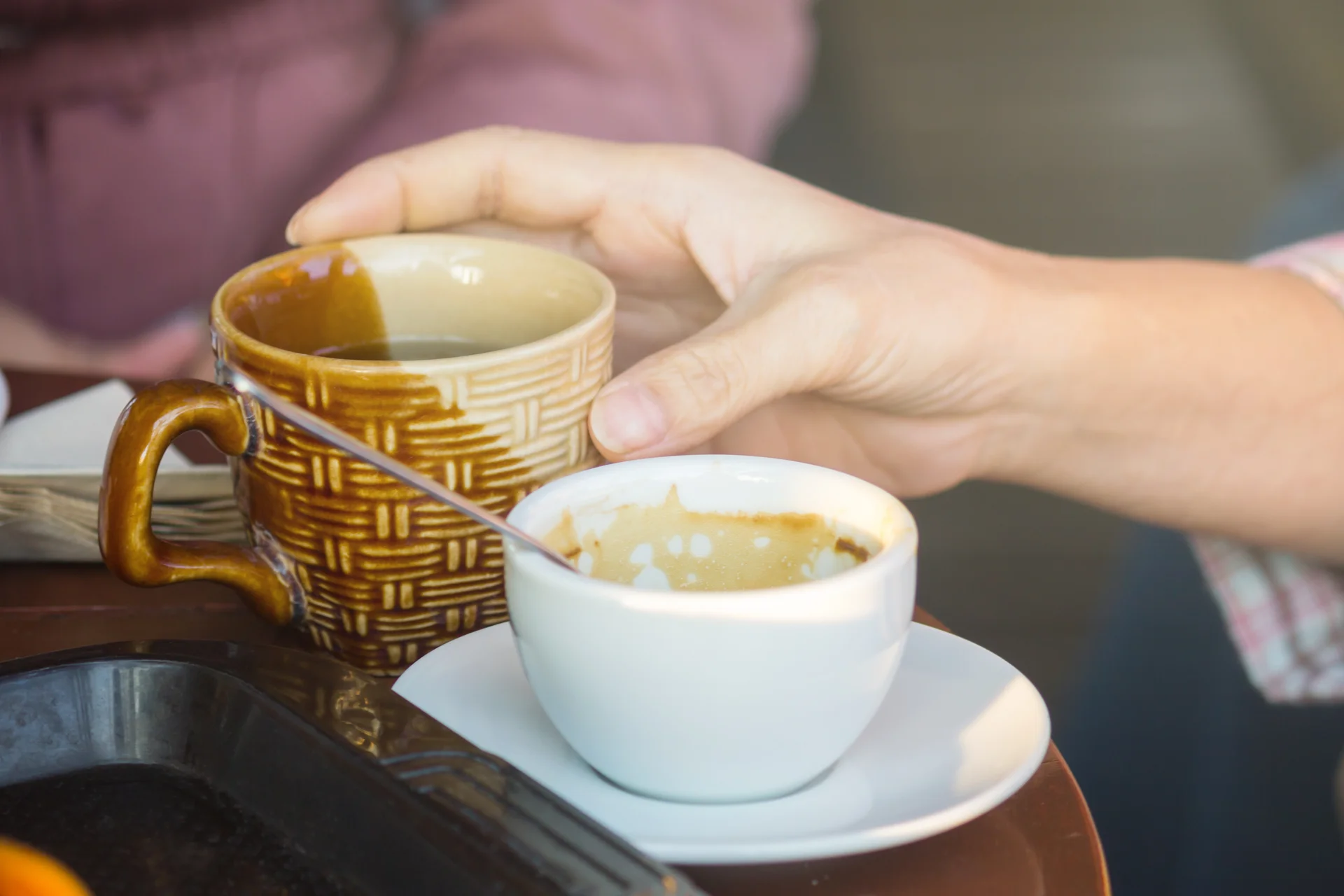
Stepping into Deep Tea in Ladprao feels like entering another world—one where the air hums with the quiet clink of porcelain and the earthy aroma of ceremonial-grade matcha. The shop’s minimalist decor, with its sleek wooden counters and soft, golden lighting, contrasts sharply with the bustling street markets just blocks away. Here, a single cup of matcha isn’t just a drink; it’s a statement. Priced at 3,900 baht, this isn’t the frothy, sweetened matcha latte you’d find at a street vendor. Instead, it’s a meticulously prepared bowl of vibrant green tea, whisked to silky perfection and served with the precision of a traditional Japanese tea ceremony. The experience is as much about the ritual as it is about the taste—bitter, umami-rich, and lingering on the palate long after the last sip. For some, it’s a fleeting indulgence; for others, it’s a stark reminder of Bangkok’s widening gap between the haves and the have-nots.
Visitor Tips
How to Get There
Frequently Asked Questions
Frequently Asked Questions
- Why is matcha tea so expensive in Bangkok?
- At Deep Tea, the 3,900 baht matcha is crafted from handpicked leaves sourced from high-altitude farms in Uji, Japan, known for their superior quality. The preparation involves a labor-intensive process, including stone-grinding the leaves into a fine powder and whisking it by hand in a traditional ceremony. The experience is elevated by the shop’s serene ambiance, where every detail—from the ceramic bowls to the incense—is designed to create a sense of luxury. For many, it’s not just about the tea; it’s about the ritual and exclusivity.
- How do local consumers react to the high price of matcha?
- Reactions are mixed. Some locals see it as a status symbol, a way to indulge in a moment of luxury in a city where economic disparity is increasingly visible. Others view it as an overpriced gimmick, especially when a similar cup of matcha can be found for a fraction of the price at street stalls. Economists warn that such trends could widen the gap between Bangkok’s affluent and working-class populations, as young professionals feel pressured to keep up with new standards of luxury. Yet, the demand persists, driven by both tourists and a growing local elite.
- What are the economic implications for Bangkok's local markets?
- The rise of high-end experiences like Deep Tea reflects broader economic shifts in Bangkok. While luxury markets thrive, traditional street vendors and local businesses face rising costs and competition. The influx of upscale establishments can drive up rents in surrounding areas, pushing out smaller, family-run shops. For young professionals, the pressure to participate in these luxury trends can strain budgets, shifting spending away from local markets. Economists debate whether this polarization is sustainable or a sign of an emerging bubble in Bangkok’s luxury sector.
- Is there a market bubble in Bangkok's luxury tea industry?
- Some analysts believe Bangkok’s luxury tea market is in a bubble, fueled by unsustainable consumer trends and speculative investments. The high prices at shops like Deep Tea rely on exclusivity and perceived value, which could collapse if demand wanes. Skeptics point to similar bubbles in other luxury markets, where prices eventually corrected. However, proponents argue that Bangkok’s growing affluent class and tourism industry provide a stable foundation for such experiences. Only time will tell if this trend is here to stay or a fleeting phenomenon.