The rise of the pet-first city
Picture stepping onto a city street where dogs trot freely through landscaped parks, their tags jingling as they greet fellow canine companions, while nearby cafes welcome feline friends lounging on w
Picture stepping onto a city street where dogs trot freely through landscaped parks, their tags jingling as they greet fellow canine companions, while nearby cafes welcome feline friends lounging on windowsills. This isn't a distant utopia—it's the reality in emerging 'pet-first cities' across the globe. Driven by changing family dynamics and urban economics, a revolutionary shift is reshaping how we design and experience metropolitan life. Young adults, facing soaring childcare costs exceeding $300,000 over a lifetime, are increasingly turning to pet ownership as a fulfilling alternative that offers companionship without the financial burden of traditional parenthood. This demographic transformation isn't just a personal preference; it's catalyzing massive economic and infrastructural changes. Euromonitor International data reveals that pet ownership surged 8.2% annually between 2019 and 2024, while Deloitte's analysis shows the pet industry experienced a staggering 25% sales boost in urban centers. Cities like San Francisco, Tokyo, and Berlin are pioneering innovative policies—from high-rise dog parks and pet-friendly public transit to dedicated veterinary districts and pet-inclusive housing regulations. Understanding this trend offers fascinating insights into how modern cities are evolving to prioritize pet welfare, economic growth, and community bonding.

What to Expect
In pet-first cities, expect vibrant sensory experiences at every corner. Picture lush green parks alive with the symphony of playful barks echoing off modern skyscrapers, while the rhythmic clicking of leashes against pavement creates an urban percussion. You'll inhale the distinctive fresh scent of groomed fur mingling with coffee shop aromas and street food vendors grilling specialty pet treats. The visual spectacle unfolds in colorful pet parades featuring elaborately dressed dogs, handcrafted pet art installations, and bustling pet boutiques displaying designer collars and organic kibble. Feel the welcoming warmth in dog-friendly cafes where the purring of contented cats on laps creates soothing white noise, and experience the soft, cushioned underfoot sensation of synthetic grass in interactive pet zones. Touch tactile art installations designed specifically for pets and their owners to experience together. The atmosphere pulses with a genuine sense of community—strangers strike conversations while their pets play, creating spontaneous social networks that strengthen neighborhood bonds. Street-side pet water fountains adorned with local artist designs provide refreshment, while themed pop-up markets showcase handmade toys, organic pet food, and wellness services. The entire cityscape becomes a celebration of the human-animal bond.
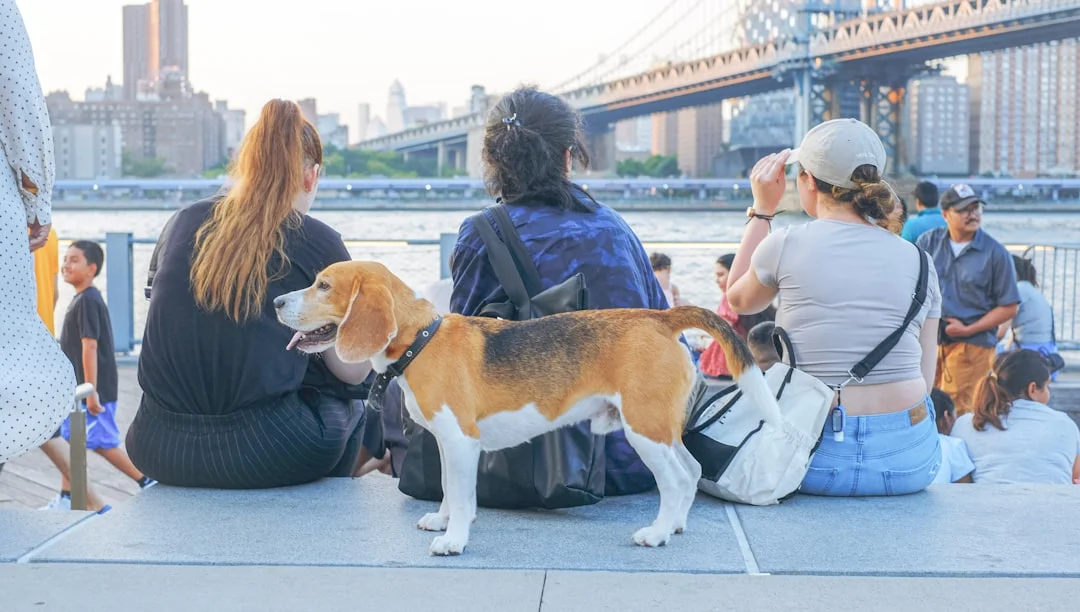
Worldwide urbanization trends are elevating the status of pets within cities, as more people choose animals over children due to financial instability. According to Euromonitor International, pet ownership increased by 8.2% annually between 2019 and 2024, with young adults notably leading this trend. Another study by Deloitte highlights a 25% boost in pet industry sales in urban centers, illustrating the economic impact of this shift. These statistics reveal a transformative movement toward 'pet-first' cities around the globe, with implications for urban planning, societal norms, and local economies. Cities worldwide are fundamentally reimagining urban infrastructure to accommodate this paradigm shift, transforming neighborhoods into welcoming havens for animal lovers and their companions.
Visitor Tips
**Best Time to Visit:** Spring (March-May) and fall (September-November) offer ideal mild weather for outdoor pet activities, allowing your furry friend to comfortably explore parks and attend community events without heat stress. Summer can be sweltering for animals, making midday outings dangerous, while winter months limit outdoor socializing. **Pro Tips:** Always carry waste bags and refillable water bottles for your pet; they're essential and often limited in parks. Download city-specific pet map apps that highlight veterinary clinics, emergency animal hospitals, grooming salons, and dog parks with specific amenities. Many apps show real-time park crowding to help you avoid peak hours. Research local leash laws beforehand—some areas have designated off-leash zones with specific hours. Consider pet insurance before traveling, as emergency vet visits can exceed $1,000. **Save Money:** Seek free community pet meetups hosted weekly in most pet-first cities—they offer social engagement without paid spa fees. Utilize public transit with pet passes for 30-50% discounts versus regular fares. Shop at local weekend farmers markets where vendors sell affordable, fresh pet foods at half the price of premium boutiques. Book pet-friendly accommodations 6-8 weeks in advance via Airbnb or Rover to snag early-bird discounts of 15-25%. Connect with local shelter volunteer programs offering guided neighborhood tours and community perks in exchange for a few volunteer hours.
How to Get There
Reach pet-first city hubs efficiently via multiple transportation options. **Metro/Public Transit:** San Francisco's BART, Tokyo's Yamanote Line, and Berlin's U-Bahn allow small pets in carriers (typically under 10 lbs) for nominal fees ranging from $3-6 USD equivalent per one-way trip. Always confirm pet policies before boarding, as some require advance reservations during peak hours. Most systems provide designated pet cars to minimize passenger allergies. **Taxi/Rideshare:** Uber Pet and Lyft Pet charge supplementary fees of $5-15 per ride beyond base fare, with upfront pricing transparent in mobile apps—typical airport-to-downtown trips cost $25-45 total for passengers with pets. These services guarantee vehicles with protective seat covers. Booking in advance ensures driver confirmation and pet compatibility. **Car Rental:** Driving requires mandatory pet harnesses or carriers for safety during braking; standard parking in urban zones averages $10-25 daily, though SpotHero and ParkWhiz apps locate discounted spots for $5-15. Pet-friendly rental companies charge $30-50 daily pet fees but provide vehicles pre-treated for shedding. Always verify city ordinances regarding mandatory leash laws, microchipping requirements, and vaccination certificates before arrival to ensure smooth navigation.
Frequently Asked Questions
Frequently Asked Questions
- What defines a pet-first city?
- A pet-first city prioritizes comprehensive policies and physical infrastructures supporting pet ownership and welfare. These include dedicated dog parks with separate zones for different sizes, pet-friendly public transit systems with subsidized passes, pet-inclusive housing policies allowing larger animals with reasonable deposits, accessible veterinary clinics, grooming facilities, and pet supply retailers. Key features encompass off-leash recreation areas, public water fountains designed for pets, pet waste management stations, and community programs like adoption drives and pet wellness workshops. The defining characteristic is that city planning inherently considers pet owners' needs equally with traditional households, creating inclusive urban spaces that enhance quality of life for both animals and their human companions while strengthening neighborhood cohesion.
- How does pet ownership impact city economies?
- Pet ownership generates substantial economic stimulus across multiple sectors. The pet services industry surpasses $20 billion globally, encompassing veterinary care ($8B+), grooming and boarding, premium nutrition, and wellness products. This sector expansion directly creates jobs in retail, manufacturing, healthcare, and hospitality—Deloitte's analysis documents 25% annual sales growth in urban pet markets. Pet-related businesses anchor local commercial districts, increasing foot traffic that benefits neighboring establishments. Tax revenues from pet licenses, business permits, and property taxes on pet facilities support municipal budgets. Housing markets gain premiums for pet-friendly units (3-5% higher rents), while tourism boosts stem from visitors exploring pet-centric attractions and services, creating multiplier effects throughout local economies.
- Why are more people choosing pets over children?
- Financial pressures fundamentally drive this demographic shift. Raising a single child to adulthood costs $300,000+ when accounting for education, healthcare, and housing, while pet ownership averages $1,000-2,000 annually—roughly 85% less expensive. Urban housing constraints make spacious family homes inaccessible for young adults, whereas pet-friendly apartments accommodate animal companions more easily. Career uncertainty and employment instability make long-term parenting commitments riskier than shorter-term pet relationships. Euromonitor data showing 8.2% annual pet ownership increases among adults aged 25-35 reflects these economic realities. Additionally, pets provide emotional fulfillment and companionship without the 18-year parental obligation, allowing young adults to prioritize career development, financial stability, and personal growth before considering parenthood.
- What challenges do pet-first cities face?
- Pet-first cities encounter multifaceted challenges requiring innovative solutions. Park overcrowding during peak hours creates congestion where dozens of dogs compete for limited space, increasing aggression risks and territorial conflicts. Pet waste accumulation overwhelms waste management systems, contaminating soil and waterways—some cities report parks becoming unusable by mid-day without enhanced sanitation protocols. Noise pollution from excessive barking disturbs residents, particularly those with sound sensitivities or young infants. Allergic populations and non-pet households feel increasingly marginalized, creating social friction and demand for pet-free zones. Infrastructure costs strain municipal budgets; dedicating parks, installing fountains, and maintaining specialized facilities require significant capital investment. Environmental impacts include elevated water consumption for cleaning facilities and increased carbon emissions from pet transportation. Accessibility remains problematic—uneven paths in converted parks exclude wheelchair users and elderly citizens with mobility challenges. Housing discrimination against pet owners still persists despite pet-friendly policies, creating legal battles. Balancing diverse community needs while advancing pet-first agendas demands strict regulations, transparent ordinances, and ongoing community dialogue.