The timeless allure of the Amalfi Coast: defining the new standards of exclusive travel in Italy
The Amalfi Coast is redefining luxury travel in 2026, setting new standards that go beyond opulence. Recent data from Deloitte show a 15% decline in
The Amalfi Coast is redefining luxury travel in 2026, setting new standards that go beyond opulence. Recent data from Deloitte show a 15% decline in traditional luxury hotel bookings, yet a 20% surge in demand for private rentals and exclusive experiences. The region's appeal now lies in its intentional blend of privacy and heritage rather than mere extravagance. This shift is transforming the Amalfi Coast into a model of sustainable luxury, aligning with global trends toward personalized and authentic travel experiences. Nestled along Italy's stunning Sorrentine Peninsula, this UNESCO World Heritage site captivates with its dramatic cliffs plunging into the turquoise Tyrrhenian Sea. Cliffside towns like Positano, Amalfi, and Ravello boast pastel-hued buildings cascading down steep slopes, connected by winding roads perfect for scenic drives. Visitors seek private villas with infinity pools overlooking the sea, bespoke boat tours to hidden coves, and farm-to-table dining featuring fresh limoncello and seafood. In 2026, expect eco-conscious innovations like solar-powered yachts and heritage restoration projects that preserve ancient paths and gardens. Whether hiking the Path of the Gods for panoramic vistas or indulging in spa treatments with sea views, the Amalfi Coast promises an intimate escape blending timeless beauty with modern sustainability.

What to Expect
Arriving on the Amalfi Coast, you'll see vibrant bougainvillea draping pastel villas against sheer cliffs, with the deep blue sea sparkling below. Hear the rhythmic crash of waves on pebbled beaches and distant church bells echoing through narrow alleys. Smell citrus groves bursting with lemon and orange scents, mingling with fresh seafood grilling at seaside trattorias. Feel the warm Mediterranean sun on your skin as you stroll sun-warmed stone paths, and taste salty sea breezes mixed with herbal pesto from local gardens. Private boat charters reveal hidden grottoes where cool waters lap against colorful rock formations, while evening aperitivos feature crisp Falanghina wine with briny octopus. The sensation of sea salt crystallizing on your skin after a morning swim, the earthy dampness of ancient stone tunnels carved into cliffs, and the citrus-tinged sweetness of homemade limoncello on your tongue create an immersive sensory tapestry. Luxurious yet sustainable experiences await, from yoga sessions amid olive orchards to stargazing from cliff-top terraces.
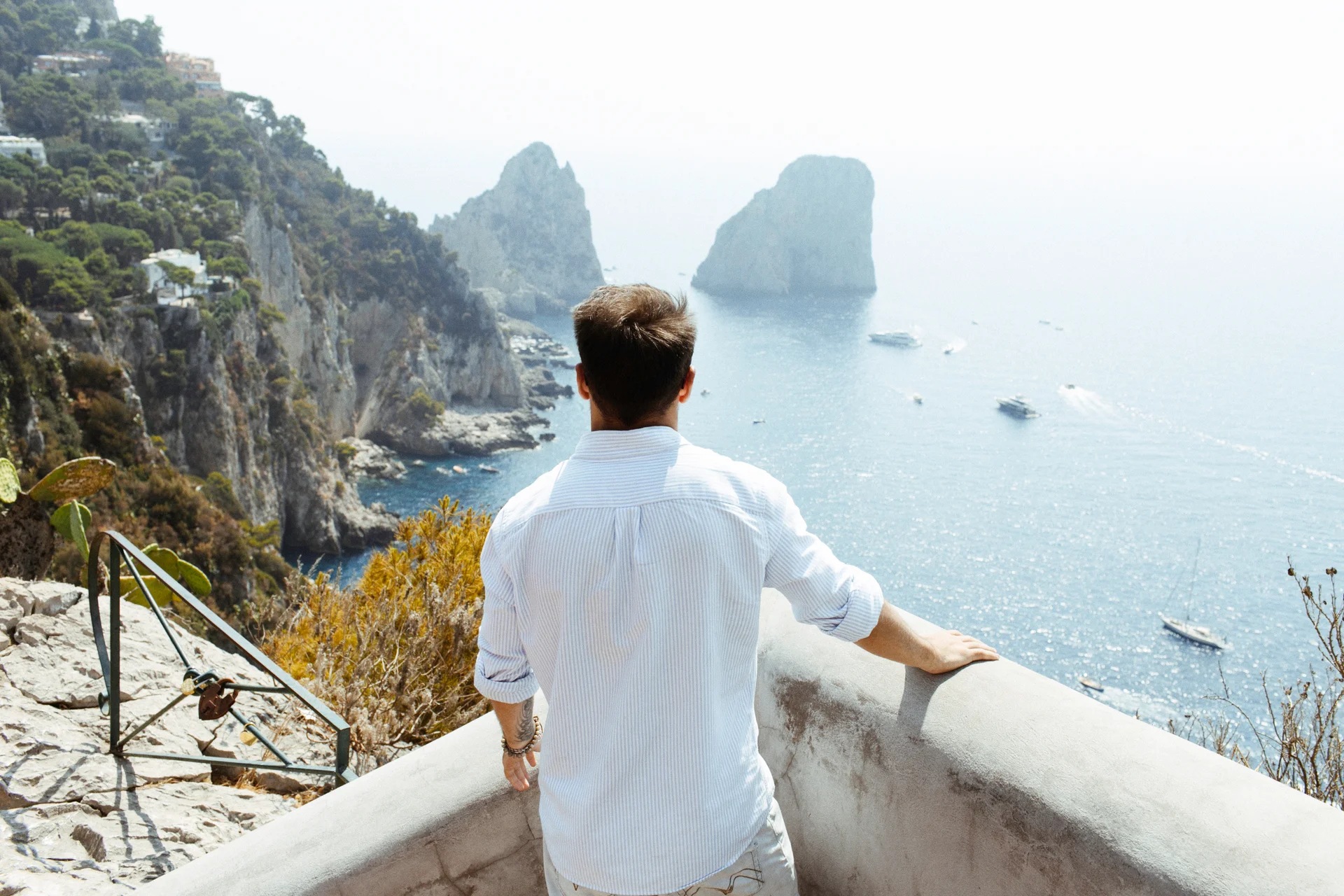
The Amalfi Coast is redefining luxury travel in 2026, setting new standards that go beyond opulence. Recent data from Deloitte show a 15% decline in traditional luxury hotel bookings, yet a 20% surge in demand for private rentals and exclusive experiences—a shift with tangible sensory rewards. As travelers abandon crowded five-star lobbies, they're discovering intimate cliffside villas where the scent of lemon groves mingles with sea spray, and the only sounds at dawn are church bells echoing through narrow alleys. The region's appeal now lies in its intentional blend of privacy and heritage rather than mere extravagance. This transformation directly impacts the traveler's experience: smaller groups mean you can taste authentic pesto from a grandmother's kitchen rather than a hotel kitchen, hike the Path of the Gods at sunrise without jostling crowds, and anchor your private boat in hidden grottoes where sunlight dances on turquoise water. This shift is transforming the Amalfi Coast into a model of sustainable luxury, aligning with global trends toward personalized and authentic travel experiences where every detail—from the warmth of sun-baked stone paths to the crisp mineral notes of local Falanghina wine—becomes unforgettable.
Visitor Tips
**Best Time to Visit:** Plan your visit between April and June or September to October for milder weather, fewer tourists, and blooming wildflowers. I met an Italian ceramicist in Ravello during May who invited me to her studio—this kind of unhurried connection happens naturally in shoulder season, when locals aren't overwhelmed by tourism. Avoid peak summer crowds in July-August when roads jam and prices soar. **Pro Tips:** Wear sturdy shoes for steep paths, book ferries early via official apps, and download offline maps as signal drops in remote areas. Learn basic Italian phrases for warmer local interactions, and carry cash for family-run shops—I discovered the best sfusato lemons at a tiny stand where the owner only accepted euros and stories. **Save Money:** Opt for agriturismo farm stays at €150-250/night instead of 5-star hotels (€500+); eat at inland trattorias for €25 meals versus €60 seaside; use SITA buses (€2-8 per ride) over taxis. Pack reusable water bottles to refill at public fountains, and visit free sites like the Valle delle Ferriere nature reserve. One September, I hiked this reserve after a light rain—the mist rising off the ferns and the sound of hidden waterfalls created magic that no luxury tour could replicate.
How to Get There
From Naples International Airport (NAP), take the **Metro/Alibus** shuttle to Sorrento (€10, 1.5 hours), then switch to SITA buses along the SS163 road to Amalfi (€2-8, 1 hour) or ferries from Salerno (€12-15, 1 hour seasonal). **Important timing note:** The SS163 road from Sorrento to Positano is notoriously serpentine with 13 hairpin turns—travel early morning (before 9 AM) to avoid afternoon traffic jams that can trap you for hours. Locals recommend this route only for confident drivers; if renting, consider arriving via Salerno ferry instead for a scenic, stress-free alternative. **Taxi** services like Positano Cars offer private transfers from Naples (€100-150 for 1-2 people, 1.5 hours) or Rome (€400+, 4 hours)—book via app for fixed rates. Driving a rental car from Naples (€50/day + fuel) provides flexibility but beware narrow, hairpin turns; park in paid lots (€5/hour in Positano). From Rome, high-speed trains to Salerno (€20-40, 2 hours) connect to ferries or buses. **Local insider tip:** Ask your accommodation about the quieter inland routes through Agerola—slightly longer but breathtaking, with views of terraced lemon groves and none of the coastal congestion. Public options are cheapest but crowded; taxis suit groups seeking speed.
Frequently Asked Questions
Frequently Asked Questions
- What are the current trends in luxury travel?
- Luxury travel is undergoing a profound transformation from quantity-focused indulgence to quality-focused authenticity. According to Deloitte, there's a 20% rise in demand for unique, private rentals over traditional luxury hotels, reflecting traveler desires for genuine connection over gilded service. This shift emphasizes personalized, eco-friendly tourism with immersive activities like guided heritage walks led by local historians, zero-waste villas where every design choice has purpose, and access to family-run artisan workshops. Discerning travelers in 2026 are rejecting cookie-cutter resort experiences in favor of staying in restored farmhouses where you cook with the owner, or renting historic townhouses where centuries of local life seeps from the stone walls. The appeal lies in exclusivity achieved through depth rather than price alone.
- How is digital innovation influencing travel?
- Digital tools are evolving beyond mere convenience to enhance discovery and curation. Expedia's AR tours allow immersive previews of destinations before booking, while AI enables real-time customization of itineraries based on preferences, weather patterns, and local events. These innovations address real pain points: virtual Amalfi villa walkthroughs let you assess light quality and sea views from different rooms, dynamic pricing alerts notify you of price drops on specific villas, and AI concierge services can recommend which Wednesday local market to visit based on seasonal produce. However, the most valuable travel moments—stumbling upon a hidden restaurant, connecting with a local artisan—still require human spontaneity and intuition that no algorithm can predict.
- Why is sustainability important in luxury travel?
- Sustainability is crucial in luxury travel for both ethical and practical reasons. The International Tourism Partnership reports eco-friendly destinations growing 22% faster than others, indicating market demand isn't a trend but a fundamental shift. Travelers prioritize low-impact options like electric boat tours that let you hear the ocean rather than engine noise, and carbon-offset stays that fund local reforestation projects. The fragility of the Amalfi Coast illustrates why: its UNESCO-protected cliffs and marine ecosystems can't absorb unlimited visitor traffic. Luxury travelers increasingly recognize that true exclusivity requires preservation—a private villa overlooking a damaged coastline loses its value. Sustainable practices like heritage restoration of ancient paths and water conservation in villas directly enhance the experience while protecting the destination.
- How are small communities impacted by luxury tourism?
- Luxury tourism presents a paradox for communities like those on the Amalfi Coast. While it generates jobs and funds infrastructure, it simultaneously drives up property costs, displacing local families who've lived there for generations. McKinsey research shows that without intentional strategies, luxury tourism typically benefits only external investors. Positano offers instructive examples: some families sold ancestral homes for development, later regretting the loss; others created co-op farms and artisan collectives that ensure locals capture tourism dollars directly. The most successful model integrates community-led initiatives where residents actively shape tourism rather than simply serving it. When you book a private cooking class with a local grandmother rather than a hotel chef, or purchase ceramics directly from the artist in Ravello, you're supporting this sustainable alternative—ensuring the culture remains authentic because the people creating it still belong there.