Tokyo Events This Week: New Year Countdowns, Fireworks, and Shrine Visits
Tokyo's New Year celebrations represent one of the world's most significant cultural moments, drawing millions of visitors to experience centuries-old traditions alongside modern festivities. During t
Tokyo's New Year celebrations represent one of the world's most significant cultural moments, drawing millions of visitors to experience centuries-old traditions alongside modern festivities. During this week-long period, you'll encounter a fascinating blend of ancient shrine visits, synchronized countdowns across the city, and fireworks displays that light up Tokyo's skyline. The reality is that New Year in Tokyo isn't a single attraction but rather a week-long cultural immersion where temples fill with visitors seeking blessings, department stores launch year-opening sales, and neighborhoods organize community countdowns. Here's the thing: while the energy is genuinely special, the crowds can be overwhelming, with some major shrines expecting over 3 million visitors during the first three days of January. You'll experience centuries of Japanese tradition compressed into several days, from the moment you ring the first bell at midnight on January 1st through the final shrine visits on January 7th. The sensory experience is intense—temple grounds packed shoulder-to-shoulder, the sound of thousands of coins dropping into offering boxes, the aroma of mochi being prepared in temple courtyards, and the feeling of cold winter air mixed with incense smoke. Plan to spend 2 to 3 hours at major shrine locations, though navigating the crowds may add considerable time to your visit.
What to Expect
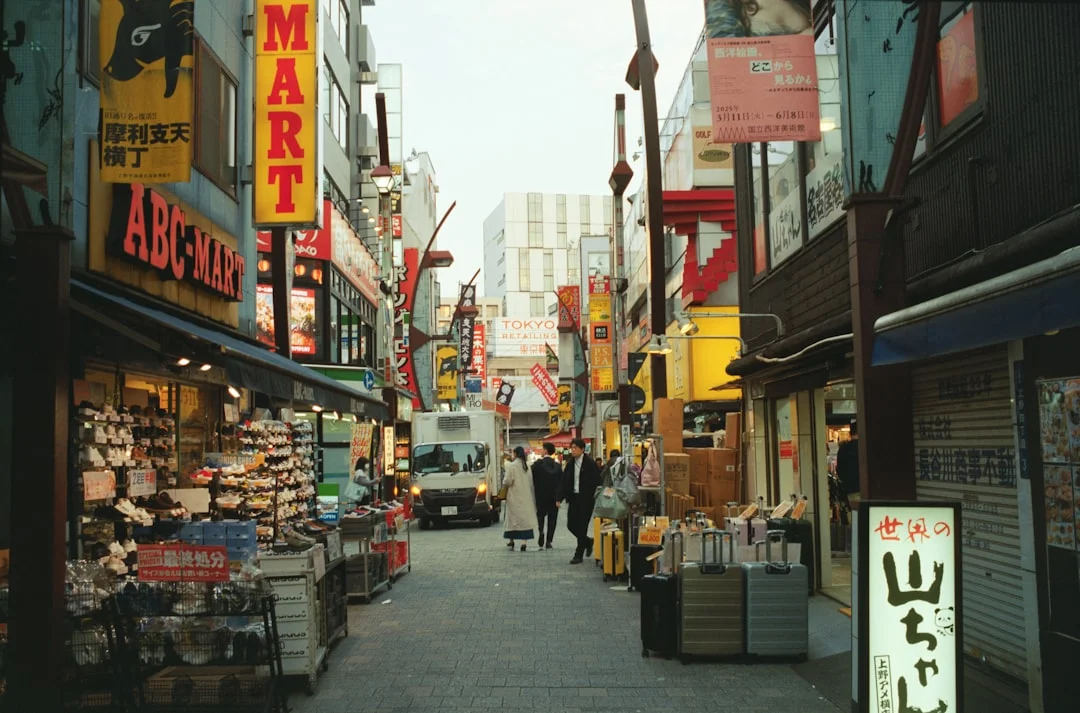
Arriving at Tokyo's major shrines during New Year week, you'll immediately notice the transformation of these normally serene spaces into vibrant gathering points. The approach to Meiji Shrine, for example, becomes a river of people moving slowly toward the main prayer hall. Security personnel manage the flow with ropes and designated pathways, creating organized queues that can stretch for 1 to 2 kilometers. The visual spectacle begins with the sheer density of people—you'll see traditional kimono-wearing visitors mixed with modern Tokyo residents in winter coats, all moving with shared purpose toward the inner sanctum. Once you reach the shrine grounds themselves, you'll encounter distinctly sensory moments. The sound is omnipresent: thousands of feet shuffling on gravel, the rhythmic clanging of bronze bells as each person rings the shrine bell before praying, coins dropping into wooden offering boxes with continuous metallic pinging, and monks chanting traditional prayers from loudspeakers. The scent of incense permeates everything—that distinctive sandalwood-tinged smoke that clings to your clothes and hair. You'll feel the crush of bodies especially between 11 PM and 2 AM on New Year's Eve, when temperature drops and breath creates visible clouds in the cold Tokyo air. The tactile experience includes rough wooden prayer sticks, cold metal coin slots, and the smooth surface of prayer plaques (ema) that visitors write wishes on before hanging. The countdowns themselves offer a different sensory landscape. In Shibuya, you'll experience the famous Shibuya Crossing moment where thousands gather to watch the clock strike midnight, creating an almost religious silence before erupting into synchronized cheers. The moment midnight arrives, you'll hear car horns, train station chimes, and the roar of the assembled crowd—a sound that literally reverberates through the surrounding buildings. Television screens broadcast the countdown simultaneously across the city, creating multiple focal points for celebration. Building rooftops host viewing parties with fireworks erupting across Tokyo's skyline, visible from multiple locations across the city's 23 wards. Visiting major shrines like Meiji, Fushimi Inari, or Senso-ji Temple means understanding you're part of a pilgrimage moment, not a typical tourist experience. You'll see families in matching kimonos, elderly grandparents accompanying children, and couples seeking blessings for the new year. Many visitors purchase omamori (protective amulets) costing between 500-3,000 yen, with new designs released specifically for each year. The temple gift shops sell year-specific merchandise, new year snacks, and sake sampled in small cups. Honestly, the crowds during peak hours (11 PM to 3 AM on New Year's Eve and the first three days of January) can turn the experience from magical to physically taxing. Don't expect peaceful reflection at major shrines—you'll be moved along by the sheer volume of people. Some visitors find the experience less about spiritual connection and more about endurance. Weather complications are real: temperatures drop to 0-5 degrees Celsius, and while snow is rare in Tokyo proper, you'll still face bitter cold standing outside for hours.
Tokyo's New Year celebrations represent one of the world's most significant cultural moments, drawing millions of visitors to experience centuries-old traditions alongside modern festivities. During this week-long period, you'll encounter a fascinating blend of ancient shrine visits, synchronized countdowns across the city, and fireworks displays that light up Tokyo's skyline. The reality is that New Year in Tokyo isn't a single attraction but rather a week-long cultural immersion where temples fill with visitors seeking blessings, department stores launch year-opening sales, and neighborhoods organize community countdowns. Here's the thing: while the energy is genuinely special, the crowds can be overwhelming, with some major shrines expecting over 3 million visitors during the first three days of January. You'll experience centuries of Japanese tradition compressed into several days, from the moment you ring the first bell at midnight on January 1st through the final shrine visits on January 7th. The sensory experience is intense—temple grounds packed shoulder-to-shoulder, the sound of thousands of coins dropping into offering boxes, the aroma of mochi being prepared in temple courtyards, and the feeling of cold winter air mixed with incense smoke. Plan to spend 2 to 3 hours at major shrine locations, though navigating the crowds may add considerable time to your visit.
Visitor Tips
Timing your visit strategically makes an enormous difference in your New Year experience. Here's the thing: the absolute worst times are December 31st between 11 PM and 2 AM at major shrines like Meiji (expect 3+ hour waits) and January 1st between 6 AM and noon (peak tourist arrival). Instead, visit on January 2nd or 3rd between 2 PM and 5 PM when crowds thin by approximately 40% but the festive atmosphere remains strong. Alternatively, visit January 4th through 7th when most tourists have departed but shrines still conduct traditional ceremonies. Weekday evenings after 6 PM during January 5-7 offer the best combination of manageable crowds and authentic experience. Insider tips that most tourists overlook: arrive with a specific shrine in mind rather than assuming all shrines operate the same way—neighborhood shrines (jinja) 15-20 minutes from major stations experience 60-70% fewer visitors than flagship locations like Meiji. Wear multiple layers because you'll be standing outside for extended periods in 2-5 degree Celsius temperatures; bring hand warmers (available at convenience stores for 200-300 yen). Don't attempt to visit more than 2-3 shrines in one night—the walking distances between locations combined with waiting times can exceed 6-8 hours. Bring cash in 1,000-10,000 yen denominations since many shrines don't accept cards for offerings or shrine purchases. Download the Hyperdia app for real-time train information, as Tokyo's metro runs special extended hours during New Year (some lines operate through 4 AM). Purchase a prepaid IC card (Suica or Pasmo) before the holiday—convenience stores get overwhelmed with tourists during New Year week. The best photo opportunities occur around 11:45 PM when the light is still visible but crowds are building—aim for this window rather than true midnight when visibility becomes challenging. Money-saving strategies require planning ahead. Book your accommodation 2-3 months in advance to avoid 20-30% New Year premium pricing. Visit free public viewing areas for fireworks (Sumida River parks offer excellent views without paid entry) rather than commercial fireworks venues charging 3,000-10,000 yen per ticket. Many hotels and department stores host free New Year celebrations with food samples and entertainment. Convenience stores (Seven-Eleven, Lawson, FamilyMart) operate 24/7 with affordable food and drinks during your evening shrine visits. Consider visiting January 5th or later when most tour groups depart and nightly accommodation rates drop 15-25% from peak New Year pricing. Department store opening sales (fukubagumi) beginning January 2nd offer legitimate discounts on goods, though crowds at department stores rival shrine crowds.
How to Get There
Tokyo's public transportation network operates extended hours during New Year week, with most train lines running until 2-4 AM on January 1st and returning to modified schedules through January 7th. For Meiji Shrine, the most popular destination, exit at Meiji-Jingumae Station on the Chiyoda Line or Harajuku Station on the Yamanote Line. From either station, you'll walk 10-15 minutes through Yoyogi Park to reach the shrine entrance. The Yamanote Line (the loop line connecting all major areas) becomes your primary transit during New Year week, with trains departing every 2-3 minutes even during peak hours. For Senso-ji Temple in Asakusa, take the Ginza Line or Asakusa Line to Tawaramachi or Asakusa stations. Walking time from either station is approximately 5 minutes, making this shrine more accessible via public transit. The Ginza Line experiences the heaviest congestion on January 1st between 6 AM and 2 PM. By taxi or rideshare (Uber operates in Tokyo but with limited coverage), expect fares between 2,000-4,000 yen from central areas to major shrines, though availability becomes extremely limited after 11 PM on December 31st due to surge pricing and driver shortages. Driving presents significant challenges—parking near major shrines fills completely by 8 PM on December 31st, and navigation becomes nearly impossible in areas experiencing 500,000+ pedestrians. If driving, use parking apps like Times or Park24 to reserve spaces 3-5 days ahead, though expect premium pricing (3,000-5,000 yen for 2-4 hour periods). Smaller neighborhood shrines often include free parking, making them strategically worthwhile alternatives. Consider staying within walking distance of your target shrine (book accommodation 1-2 kilometers away) to avoid transportation hassles entirely. The JR East Pass isn't cost-effective for single-day visits, but a Suica card loaded with 3,000-5,000 yen covers multiple shrine visits and transit costs.
Frequently Asked Questions
Frequently Asked Questions
- How much does it cost to visit Tokyo Events This Week?
- Most shrine visits are entirely free—you'll pay only what you choose to offer (typically 100-500 yen) plus optional purchases like omamori amulets (500-3,000 yen each) or specialty foods. Public fireworks viewing costs nothing, though commercial fireworks venues charge 3,000-10,000 yen. Your primary expenses involve accommodation (which peaks during New Year week), meals, and transit passes rather than attraction entry fees.
- Is Tokyo Events This Week actually worth visiting?
- Yes, if you're specifically interested in experiencing authentic Japanese cultural traditions rather than typical tourism. The New Year week offers genuine historical significance and energy you won't find any other time. But honestly, if you dislike crowds or require spiritual peace during temple visits, skip this in favor of visiting shrines during quieter months. The crowds, costs, and infrastructure strain are genuine trade-offs.
- What is the best time to visit Tokyo Events This Week?
- January 5th through 7th between 2 PM and 6 PM offers the optimal balance—crowds have thinned by 50-60% compared to peak nights, yet shrines maintain full ceremonial activity and festive decorations. If you must visit during peak New Year (December 31st-January 3rd), arrive between 3 AM and 7 AM after midnight rushes subside but before day visitors arrive. Late evening (after 8 PM) January 4th-7th provides manageable crowds with continued New Year atmosphere.
- How long does a visit to Tokyo Events This Week take?
- Plan 2-3 hours minimum at a single shrine, including 30-90 minutes queuing, 20-30 minutes for the actual prayer/offering experience, and 20 minutes shopping or eating. If visiting multiple shrines in one evening, add 45 minutes transit time between locations. Peak night visits (December 31st-January 2nd) can extend to 4-6 hours due to extreme congestion. You'll need approximately 8-10 hours for a comprehensive New Year experience visiting 2-3 major locations.
- Do I need to book Tokyo Events This Week in advance?
- Shrine visits don't require advance booking—they're open to the public continuously. However, you absolutely must book accommodation 2-3 months ahead, as hotels fill completely by October for New Year week. Train tickets don't require advance purchase, but knowing schedules helps. Restaurant reservations for New Year meals become essential 4-6 weeks in advance if you want dining options beyond convenience stores.
- Is Tokyo Events This Week suitable for children and elderly visitors?
- Children aged 8+ can manage the crowds and excitement, though very young children become exhausted by late-night timing and overwhelming sensory input. Elderly visitors can participate but should plan shorter visits and arrive during less crowded periods (January 4th-7th). The physical demands of standing in cold temperatures for 2-3 hours present real challenges. Consider visiting neighborhood shrines with minimal crowds instead of flagship locations if you have mobility concerns.
- What should I wear to Tokyo Events This Week?
- Layer heavily with thermal base layers, sweaters, heavy coats, and waterproof outer shells—temperatures range from 0-5 degrees Celsius with potential light snow or rain. Wear comfortable, broken-in walking shoes since you'll stand for hours on concrete and gravel. Hand warmers (available at convenience stores), warm socks, and a hat are essential. Some visitors wear traditional kimono, which is beautiful but impractical for extended standing in crowds; if you do wear kimono, plan for a shorter visit.
- Are photos allowed at Tokyo Events This Week?
- Yes, photography is generally permitted at outdoor shrine areas and public spaces. However, some inner temple sanctums restrict photos—look for signage or ask staff before photographing inside buildings. Respect privacy by avoiding close-up photos of other visitors without permission. Video recording is restricted in certain areas. Don't use flash photography inside temples as it disturbs other visitors and clerics conducting ceremonies.
- What makes Tokyo's New Year celebrations different from other major celebrations worldwide?
- Tokyo's New Year celebrations blend 2,000+ years of Shinto tradition with modern urban culture in ways you won't experience elsewhere. The simultaneous focus on spiritual renewal (visiting shrines for blessings), familial gathering, and community celebration creates a unique cultural moment. Unlike Western New Year celebrations focused on nightlife and countdowns, Tokyo's tradition emphasizes reflection, purification, and beginning the year with positive intentions. This cultural specificity makes the experience authentically Japanese rather than globally generic.
- How do neighborhood shrines compare to famous major shrines like Meiji?
- Neighborhood shrines (jinja) provide 60-70% fewer crowds while maintaining identical spiritual significance and traditional ceremonies. Your experience quality actually improves at smaller shrines—you'll spend 20-30 minutes total instead of 2-3 hours, interact with actual shrine priests, and feel the ceremonial atmosphere more clearly. The omamori from neighborhood shrines holds equivalent spiritual meaning while costing identically. Most travelers miss that visiting a small neighborhood shrine offers superior experience to fighting crowds at famous locations, especially if you're seeking cultural authenticity over tourist checkboxes.