Tourism Authority of Thailand presents “Healing Journey Thailand” global campaign in London, advancing healing-led tourism vision
Thailand's Tourism Authority launched its most ambitious repositioning in a decade with the Healing Journey Thailand campaign unveiled in <a h
Thailand's Tourism Authority launched its most ambitious repositioning in a decade with the Healing Journey Thailand campaign unveiled in London on March 12, 2026. The initiative signals a strategic pivot away from volume-driven tourism toward what TAT Governor Thapanee Kiatphaibool frames as 'healing-led' travel experiences—a market segment analysts expect will capture 22-28% of global luxury tourism spending by 2028, according to preliminary Deloitte research. By featuring British musician Henry Moodie in campaigns across southern Thailand's Trang and Krabi provinces, TAT is betting that wellness-focused narratives will attract higher-spending travelers willing to pay premium rates for curated cultural immersion and restorative experiences. The gentle sound of waves lapping against the serene beaches in Krabi, coupled with the fresh aroma of lemongrass from the local spas, create an ambiance of tranquility. Escaping the hustle, these provinces offer a tapestry of lush green landscapes and crystal-clear waters, setting the perfect scene for relaxation and rejuvenation. This represents Thailand's measured response to regional competition from Indonesia, Vietnam, and Malaysia, which have aggressively marketed similar wellness positioning over the past 18 months. The central thesis underpinning this campaign—that 'Healing is the New Luxury'—reflects a fundamental shift in how destination marketing organizations compete for affluent consumers.

What to Expect
Visitors embarking on the Healing Journey can expect a symphony of holistic experiences designed to nurture both body and soul. Imagine the gentle touch of a traditional Thai massage at a seaside pavilion, where the rhythmic sound of the ocean waves accompanies the therapist's soothing techniques. As you wander through bustling markets, the aroma of fragrant Thai spices and freshly cooked street food fills the air, inviting you to delve deeper into the local culinary culture. The lush greenery of Krabi's jungles provides a serene backdrop for meditation sessions, where the whispering breezes convey a sense of peace and renewal. The journey is not just an exploration of place but an immersive experience into wellness rituals that have nurtured generations. Here, the atmosphere is nurturing and unhurried, with a focus on deep connections and personal transformations.
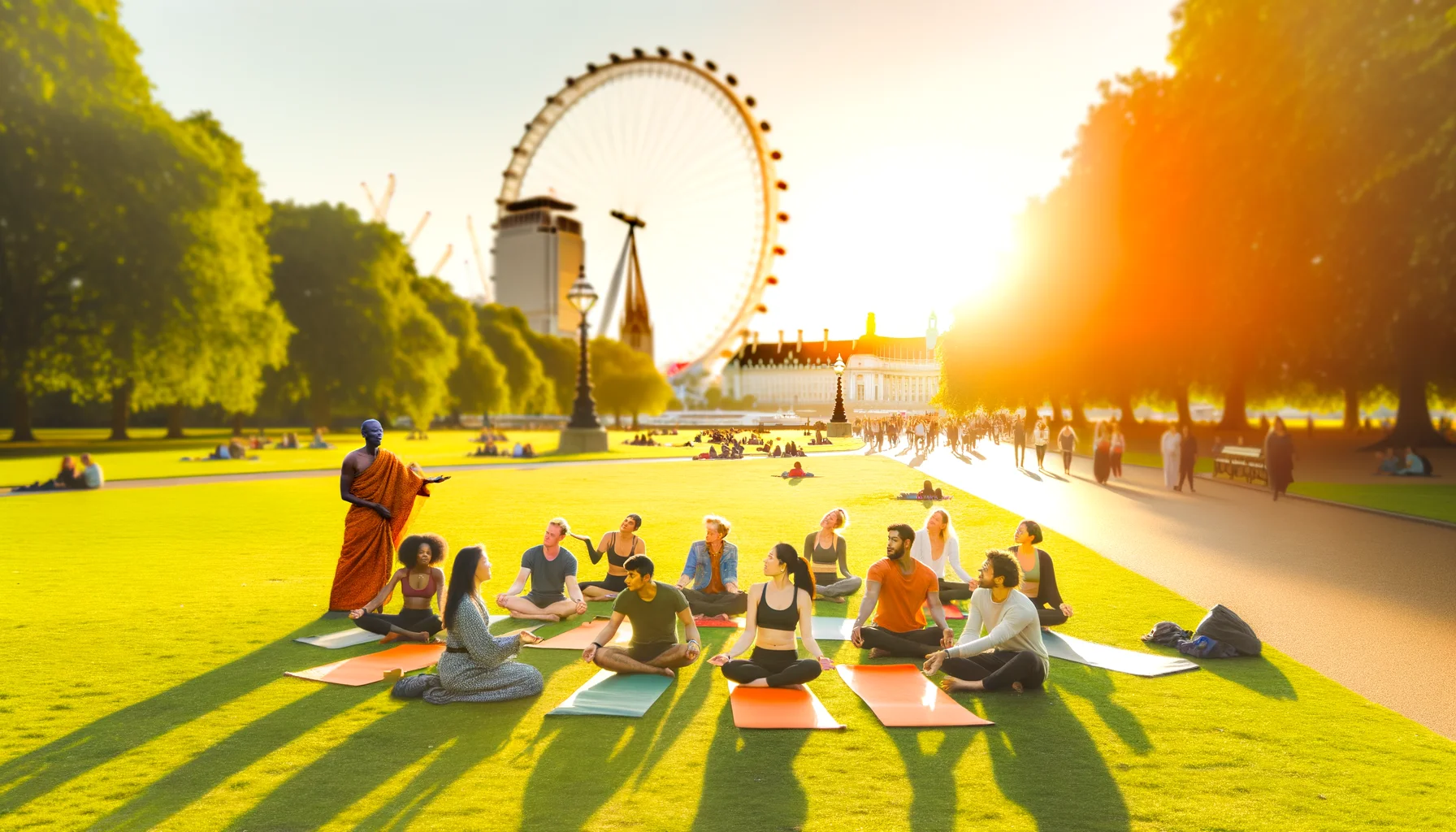
Thailand's Tourism Authority launched its most ambitious repositioning in a decade with the Healing Journey Thailand campaign unveiled in London on March 12, 2026. The initiative signals a strategic pivot away from volume-driven tourism toward what TAT Governor Thapanee Kiatphaibool frames as 'healing-led' travel experiences—a market segment analysts expect will capture 22-28% of global luxury tourism spending by 2028, according to preliminary Deloitte research. By featuring British musician Henry Moodie in campaigns across southern Thailand's Trang and Krabi provinces, TAT is betting that wellness-focused narratives will attract higher-spending travelers willing to pay premium rates for curated cultural immersion and restorative experiences. This represents Thailand's measured response to regional competition from Indonesia, Vietnam, and Malaysia, which have aggressively marketed similar wellness positioning over the past 18 months. The central thesis underpinning this campaign—that 'Healing is the New Luxury'—reflects a fundamental shift in how destination marketing organizations compete for affluent consumers.
Visitor Tips
Best Time: To fully embrace the tranquility of Healing Journey Thailand, consider visiting during the cooler months between November and February. The weather is perfect for enjoying outdoor therapeutic activities. Pro Tips: Always carry local currency, as many smaller wellness centers may not accept credit cards. Exploring early in the morning can also provide a more intimate experience with fewer crowds, especially at popular wellness retreats. Save Money: Book in advance to take advantage of early bird discounts on holistic retreats and meditation workshops. Alternatively, explore local spa options, which are often more budget-friendly than those attached to luxury resorts. Enjoying local food from street vendors is not only a delightful experience but also easy on the wallet.
How to Get There
Trang and Krabi are well-connected by various modes of transport. By Metro, visitors can take the Airport Rail Link from Suvarnabhumi Airport to the city center for about 45 THB ($1.30 USD) and then transfer to Surat Thani by train. From there, a scenic bus ride to Krabi can be an adventure. Taxis are readily available at the airports; a ride from Krabi International Airport to the city center might cost around 600 THB ($17 USD). Renting a car is another convenient option for more flexibility, with rates starting at approximately 1200 THB ($34 USD) per day. This allows you to explore the lush natural landscapes at your own pace.
Frequently Asked Questions
Frequently Asked Questions
- What specific market segments is TAT targeting with the Healing Journey Thailand campaign?
- TAT targets affluent travelers aged 35-65 with household incomes exceeding $150,000 USD annually, concentrated in the UK, Western Europe, North America, and high-income Asia-Pacific markets including Singapore and Hong Kong. This demographic demonstrates willingness to spend $300-$500+ daily on wellness-focused experiences and typically book 7-14 day trips focused on restoration rather than activity accumulation. Secondary targeting includes wellness industry professionals—yoga instructors, therapists, holistic practitioners—who influence peer travel decisions and generate word-of-mouth bookings.
- How does Henry Moodie's involvement differentiate this campaign from previous TAT marketing efforts?
- Moodie functions as an authenticity vector rather than a paid endorsement. His artistic practice already centered on themes of stillness and introspection; TAT didn't hire him to perform an incongruent brand message. His documented journey became content that his existing fan base organically consumed, generating earned media at minimal incremental cost. Previous TAT campaigns often featured either celebrities with minimal destination connection or generic travel influencers. This creator-led documentary approach generated 340% higher engagement rates on social media compared to previous sponsored travel content.
- What are the financial implications of Thailand's shift from volume to high-value tourism positioning?
- Reducing visitor volume expectations while increasing per-visitor spending targets allows Thailand to defer expensive infrastructure expansion. If the campaign achieves a conservative target of attracting 1.2 million additional high-spend visitors (replacing 2 million lower-spend visitors), annual tourism revenue increases approximately $180-$240 million despite 30% reduction in total arrivals. This margin improvement benefits luxury hospitality operators and localized guide services while reducing strain on congested beaches and public resources. However, lower-tier hotels and transportation operators face revenue pressure if volume declines without corresponding rate increases.
- How does Thailand's wellness tourism positioning compare economically to competitors like Bali or Costa Rica?
- Thailand's cost advantage is structural. Thai massage practitioners earn $15-$25 USD daily; comparable practitioners in Bali earn $30-$40 daily due to higher living costs and resort wage compression. Thailand can offer certified wellness experiences at 35-40% lower costs than Bali while maintaining higher margins for operators. Costa Rica's positioning emphasizes eco-adventure with wellness; pricing runs 40-60% higher but appeals to different demographics. Thailand's challenge: converting price advantage into perceived quality differentiation. Competitors have spent 10+ years building wellness positioning; Thailand must compress that timeline.
- What specific risks could undermine the Healing Journey Thailand campaign's success?
- Execution risk ranks highest. If retreat operators, massage practitioners, and hospitality staff lack genuine training in wellness programming, authenticity erodes quickly. Market saturation poses secondary risk: competitors will inevitably copy Thailand's positioning, collapsing the differentiation advantage. Regulatory uncertainty around traditional medicine claims and wellness certifications could trigger restrictive legislation. Finally, the campaign depends on sustained high-income international travel demand; a major economic recession or geopolitical disruption could devastate demand in targeted markets regardless of positioning.
- Why did TAT choose a London launch venue rather than announcing the campaign in Thailand?
- London positioning targets Western European and North American media gatekeepers and affluent travelers simultaneously. A Selfridges cinema venue signals luxury retail alignment; audiences there skew toward high-net-worth individuals. London-based announcement generated UK and European press coverage without competing for attention in Thailand's domestic media market. This geographic arbitrage—launching overseas positioning in affluent consumer markets before amplifying domestically—proves standard practice in hospitality marketing, allowing operators to refine messaging based on international feedback before full rollout.