Viral drone video fuels debate about Rio favela tourism
A viral drone video spotlighting tourists in Rio's Rocinha favela has sparked debate about the ethics of poverty tourism. The footage highlights concerns about exploitation, revenue distribution, and
A viral drone video spotlighting tourists in Rio's Rocinha favela has sparked debate about the ethics of poverty tourism. The footage highlights concerns about exploitation, revenue distribution, and the role of social media in transforming marginalized communities into tourist attractions" class="internal-link">attractions. This situation raises critical questions about equitable tourism models and community empowerment.

What to Expect
Visiting Rocinha offers a sensory overload. The favela's vibrant colors explode from every corner, from the brightly painted houses clinging to the hillside to the intricate graffiti art that narrates the community's history. Expect to hear a cacophony of sounds: the lively chatter of residents, the pulsating rhythms of samba emanating from local bars, and the persistent buzz of motorbikes navigating the narrow, winding streets. The aroma of home-cooked meals fills the air, a tantalizing blend of feijoada, grilled meats, and tropical fruits. You'll feel the warmth of the Brazilian sun on your skin and the rough texture of the unpaved streets under your feet. Engage with locals, but do so respectfully. Understand that you are entering their home, and your presence should be a source of exchange, not intrusion. Be prepared for a physically demanding experience, as navigating the steep slopes and uneven terrain can be challenging. Ultimately, expect an experience that challenges your perspectives and leaves you with a deeper understanding of Rio's complex social landscape. Remember to keep your belongings secure, and be mindful of your surroundings.
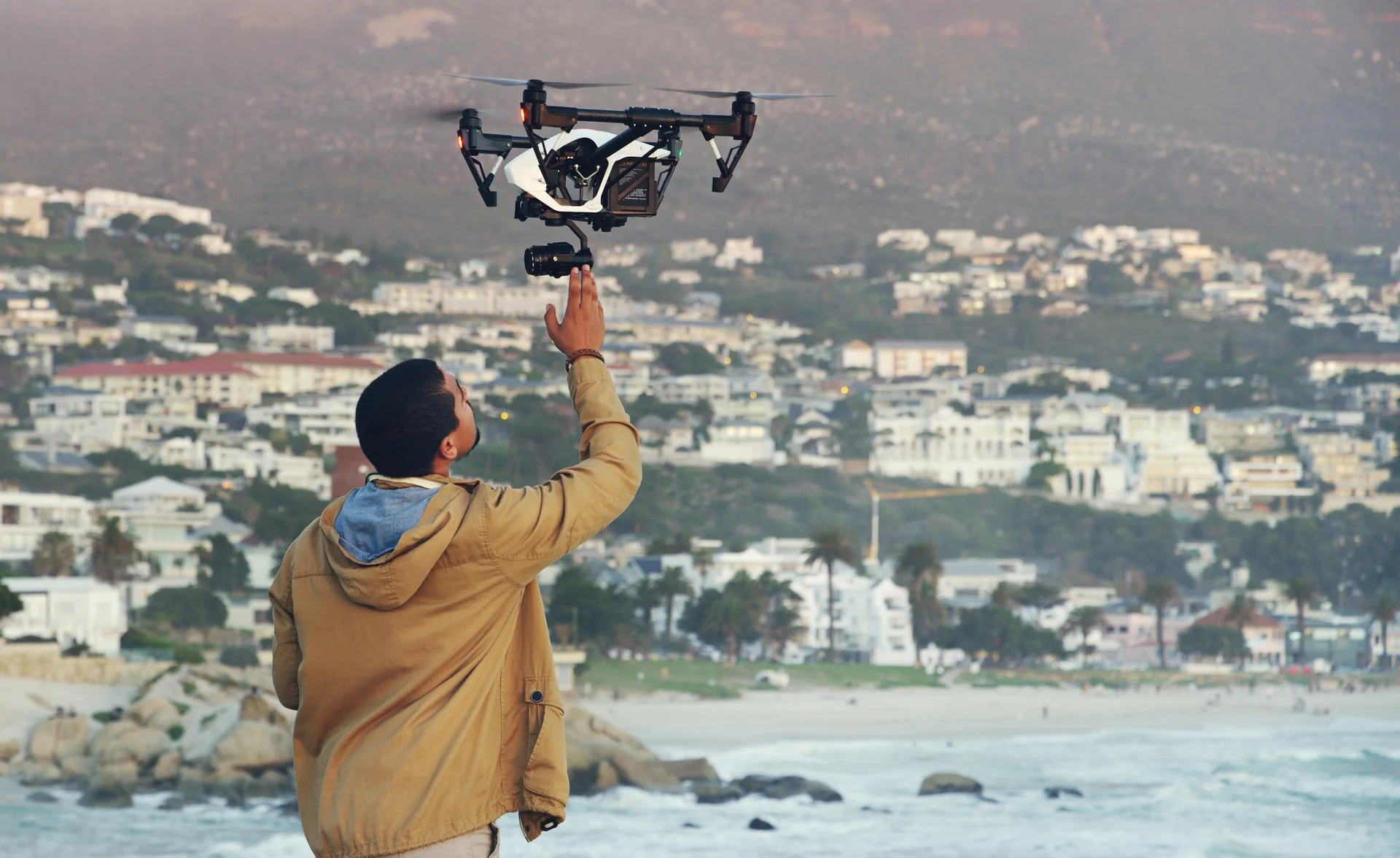
A viral drone video from Rio de Janeiro's Rocinha favela has reignited a contentious debate about poverty tourism, raising uncomfortable questions about who profits when affluent visitors treat low-income communities as backdrops for social media content. The footage—showing tourists posing atop rooftops while aerial cameras capture sweeping hillside vistas—accumulated millions of views across platforms in early 2026, prompting pushback from favela residents and community advocates who argue the practice exploits their neighborhoods for entertainment. According to the Rio de Janeiro Tourism Board, favela tours generated an estimated $47 million in 2025, yet local residents report minimal economic benefit. This tension reflects a broader global reckoning: as travel democratizes and drone technology makes dramatic imagery accessible to anyone with a smartphone, the line between cultural tourism and extractive spectacle has become dangerously blurred. The question isn't whether tourism to marginalized communities should exist—it's whether the current model serves residents or merely converts their reality into content. The narrow alleyways pulse with music spilling from open doorways, a mix of samba rhythms and funk carioca. The air hangs thick with the aroma of feijoada cooking in countless homes, mingling with the dust kicked up by motorbikes weaving through the crowds. "We want visitors to see our community, but not as a zoo," says Maria, a local artisan. "We want respect, not just photos." You see vibrant murals adorning the walls, reflecting the community's spirit, hear the laughter of children playing football, and feel the warmth of the sun beating down on the corrugated iron roofs.
Visitor Tips
Planning a visit to Rocinha requires careful consideration. Here are a few essential tips to ensure a respectful and enriching experience: **Best Time to Visit:** The shoulder seasons (spring and fall) offer pleasant weather and fewer crowds. Weekdays are generally less busy than weekends. **Pro Tips:** * **Hire a Local Guide:** Opt for a reputable tour operator that employs local residents. This ensures your money directly benefits the community. * **Dress Respectfully:** Avoid flashy jewelry or clothing that might draw unwanted attention. Comfortable walking shoes are essential. * **Learn Basic Portuguese:** Knowing a few basic phrases will enhance your interactions with locals. * **Ask Permission:** Before taking photos of people, always ask for their consent. * **Support Local Businesses:** Purchase souvenirs and meals from local vendors and restaurants. **Save Money:** * **Group Tours:** Consider joining a group tour to split the cost of a guide. * **Eat at Local Eateries:** Sample traditional Brazilian cuisine at affordable prices in family-run restaurants. * **Negotiate Prices:** Don't be afraid to politely negotiate prices with vendors, but always be fair. * **Pre-book Tours:** Booking your tour in advance can sometimes secure better rates.
How to Get There
Reaching Rocinha can be done through various means, each offering a different experience and price point: **Metro & Bus:** Take the Metro Line 1 or 4 to São Conrado station. From there, catch a local bus (look for those heading towards Rocinha). The bus fare is approximately R$4.05. This option is the most budget-friendly but can be crowded. **Taxi/Ride-Sharing:** Taxis and ride-sharing services like Uber and 99 are readily available throughout Rio. A taxi from Copacabana to Rocinha will cost approximately R$30-R$50, depending on traffic. Uber may offer slightly lower rates. This provides a direct and comfortable option. **Organized Tour:** Many tour operators offer transportation to and from Rocinha as part of their package. This is often the most convenient and safest option, as they handle all logistics and provide a knowledgeable guide. Prices vary depending on the tour, but typically range from R$100-R$200 per person. **Car:** While driving to Rocinha is possible, it's not recommended due to the narrow, crowded streets and limited parking. It's best to leave your car in a secure parking lot in a neighboring area and continue your journey by taxi or organized transport.
Frequently Asked Questions
Frequently Asked Questions
- What's the actual impact of favela tourism on local residents' income?
- Impact varies sharply by structure. Residents working with licensed tour operators (roughly 8-12 percent of the tourism market) earn steady income—typically 40-50 percent of tour fees plus tips. Informal guides and vendors earn variable amounts, often $15-40 per tourist, with no job security or benefits. The Rio de Janeiro Tourism Board estimates total favela tourism revenue at $47 million annually, but community benefit studies suggest residents capture only $12-18 million of that total. Most gains accrue to external operators and platform companies.
- Has social media actually increased the number of favela visitors?
- Yes, measurably. The Brazilian travel analytics firm STR Brazil reported a 67 percent increase in favela tour bookings between 2021 and 2025, with social media cited as the primary driver in 80 percent of visitor surveys. Rocinha specifically saw visitor volumes spike from approximately 18,000 annual visits in 2019 to 52,000 by 2025. However, this growth has been almost entirely outside formal tour licensing, meaning revenue tracking and community accountability remain minimal.
- Why hasn't Rio's government regulated favela tourism more aggressively?
- Three structural obstacles exist. First, municipal tourism agencies lack enforcement capacity—Rio's Tourism Department employs roughly 40 inspectors to oversee 27,000 licensed accommodations and attractions citywide. Second, regulation risks displacing informal workers who depend on tourism, creating political pressure against stricter rules. Third, favela governance is complicated by the presence of criminal organizations, which complicates government oversight in some neighborhoods. The proposed 2027 licensing framework attempts to address these gaps, but success isn't assured.
- Do drone restrictions actually protect favela residents?
- Partially. Restrictions limit the ability to extract imagery without permission and can establish compensation mechanisms. However, they can't prevent smartphones from capturing the same content. Effective protection requires community-level governance—residents having actual authority to approve or deny access—not just operator licensing. Rocinha's community association has begun implementing such controls in 2026, but enforcement remains inconsistent and requires resident participation.
- Are residents themselves divided on whether tourism is good or bad?
- Absolutely. Surveys from community advocacy groups show roughly 55 percent of residents favor regulated, benefit-sharing tourism; 30 percent support aggressive restrictions; and 15 percent are indifferent. Those with direct income from tourism—guides, vendors, informal hosts—tend to support expansion. Those reporting noise, safety concerns, or cultural disruption oppose it. This internal division complicates policy consensus.