Visiting the UK? Take note of these new travel rules
Starting February 25, 2026, travelers from 85 countries including the United States, Canada, and Australia must obtain an Electronic Travel Authorization (ETA) before entering the United Kingdom. This
Starting February 25, 2026, travelers from 85 countries including the United States, Canada, and Australia must obtain an Electronic Travel Authorization (ETA) before entering the United Kingdom. This policy represents a significant shift in UK border administration, aligning British immigration procedures with systems already operational in the European Union and similar regimes adopted by countries like Canada and Australia. The UK Home Office estimates the new requirement will affect approximately 4.3 million annual visitors, according to government impact assessments released in late 2025. The ETA system replaces the previous visa-free entry policy for most non-UK nationals, fundamentally changing how travelers must plan their journeys to Britain. The authorization costs GBP 10 and remains valid for two years, permitting multiple entries with stays up to six months each. Understanding these new requirements is essential for anyone considering a UK trip in 2026 and beyond, as non-compliance could result in denied entry at borders. The online application process typically takes just 10 minutes to complete, with most applications processed within 72 hours. This transition marks the UK's alignment with modern border security practices used across the globe.

What to Expect
Upon arrival at UK borders following ETA approval, expect a streamlined digital verification process at immigration checkpoints. You'll see immigration officers scanning your passport against the ETA database, a swift electronic confirmation that typically takes just minutes. The process feels seamless compared to traditional visa interviews—you'll notice the quiet efficiency of modern border technology, with digital screens replacing lengthy paperwork. You can expect to hear the soft beep of passport scanners and the professional exchanges between officers and travelers moving through designated ETA-approved lanes. The atmosphere at major UK airports and ports is calm and orderly, with clear signage guiding ETA holders. Once approved, you'll feel the relief of smooth entry after your journey. The sensory experience is distinctly modern—the cool touch of the scanner, the neutral-toned immigration halls, and the crisp efficiency of the process. Be prepared to present your passport and potentially answer brief questions about your visit purpose, accommodation, or return flight. The entire experience should take no longer than 5-10 minutes at most ports of entry, allowing you to proceed swiftly to baggage claim or onward transportation.
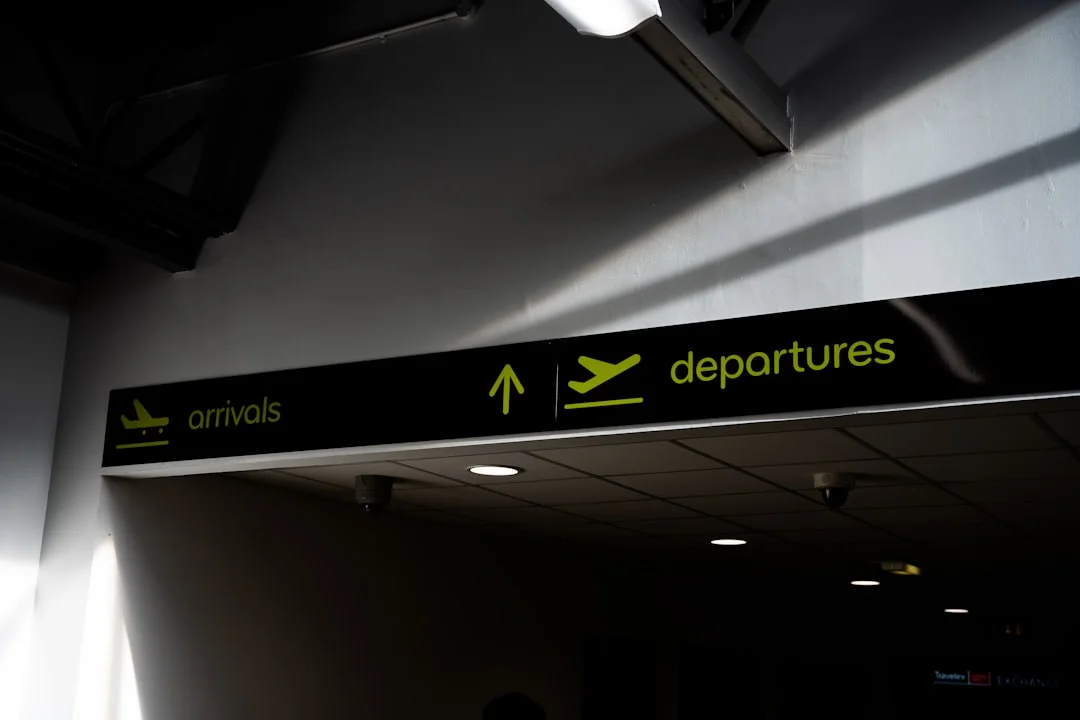
Starting February 25, 2026, travelers from 85 countries including the United States, Canada, and Australia must obtain an Electronic Travel Authorization (ETA) before entering the United Kingdom. This policy represents a significant shift in UK border administration, aligning British immigration procedures with systems already operational in the European Union and similar regimes adopted by countries like Canada and Australia. The UK Home Office estimates the new requirement will affect approximately 4.3 million annual visitors, according to government impact assessments released in late 2025. The ETA system replaces the previous visa-free entry policy for most non-UK nationals, fundamentally changing how travelers must plan their journeys to Britain. Understanding these new requirements is essential for anyone considering a UK trip in 2026 and beyond, as non-compliance could result in denied entry at borders.
Visitor Tips
Best Time to Apply: Submit your ETA application at least two weeks before your intended travel date, though the Home Office recommends three weeks for peace of mind. This buffer protects against unexpected delays or requests for additional documentation. Pro Tips: Have your passport details exact and nearby before starting the online application—transcription errors are the most common cause of rejections. Use the same name spelling as it appears in your passport documentation. Ensure your passport remains valid for the entire duration of your stay; the UK requires at least six months validity beyond your departure date for most nationals. Save Money: Apply for your ETA during off-peak hours (early morning or late evening) to avoid website congestion. The GBP 10 fee is non-refundable, so verify all information before submission. Multiple family members can apply on the same day to streamline the process. Consider digital payment methods to receive instant confirmation. Keep your ETA reference number in your phone or email for quick access during check-in, eliminating delays at airport counters.
How to Get There
Getting to the UK After ETA Approval: Metro/Rail Options: Upon arrival at major UK airports like London Heathrow, London Gatwick, or Manchester, utilize the efficient rail networks. The Heathrow Express connects to central London in 15 minutes for GBP 25 (standard class). National rail services offer connections throughout the UK at competitive rates, with advance bookings reducing costs by 30-50 percent. Taxi Options: Licensed black cabs and minicabs are available 24/7 at all major airports. Expect GBP 45-65 from Heathrow to central London, depending on traffic and time of day. Pre-booking through apps like Bolt or Addison Lee often saves 20-30 percent compared to rank taxis. Journey times range from 45 minutes to 2 hours depending on destination and traffic conditions. Car Rental: International visitors can rent vehicles from major companies (Hertz, Avis, Enterprise) for GBP 30-60 daily. Remember the UK drives on the left side of the road. Petrol costs approximately GBP 1.40 per liter. Motorway tolls apply on select routes (M6, M25). Travel Insurance: Comprehensive coverage including trip cancellation costs GBP 15-40 per journey and provides peace of mind.
Frequently Asked Questions
Frequently Asked Questions
- Do I need an ETA if I hold a UK visa?
- No. The ETA applies only to visa-free nationals. If you hold a valid UK work visa, student visa, or any other long-term visa status, you do not need to apply for an ETA. The authorization is designed exclusively for travelers from the 85 designated countries who previously could enter without a visa. Ensure your existing visa documentation remains valid for your intended travel dates.
- Can I apply for an ETA after I've already booked my flight?
- You can apply after booking, but the Home Office recommends applying at least two weeks before travel. The system processes 95 percent of applications within 72 hours, but unexpected delays can occur. Airlines will not permit boarding without ETA verification, so late applications create unnecessary risk. Apply as soon as your travel dates are confirmed to ensure sufficient processing time.
- What happens if my ETA application is rejected?
- If rejected, you'll receive a notification explaining the reason. Common reasons include incomplete information, security concerns, or prior deportation history. You can reapply once issues are resolved, though the Home Office doesn't automatically reconsider rejected applications without new evidence. Contact the UK Visas and Immigration office for guidance on your specific situation before reapplying.
- Do children and infants need separate ETAs?
- Yes. Every traveler from ETA-required nations, regardless of age, must have an individual authorization. This includes infants and children. Parent or guardian information is required during application, but each person needs their own valid passport and separate ETA approval. The fee applies per person, with no discounts for children.
- Is the ETA the same as a visa?
- No. The ETA is a pre-arrival security authorization, not a visa. It doesn't grant right of residence or employment and permits stays of up to six months for tourism and short business visits. A visa, by contrast, is required for those seeking to work, study, or immigrate. The ETA is a screening tool; a visa is a formal immigration status document with broader legal implications.