Why do people fast during Ramadan?
Understanding why people fast during Ramadan requires looking beyond the surface of this ancient Islamic practice to grasp its spiritual, cultural, and communal significance. Ramadan fasting, known as
Understanding why people fast during Ramadan requires looking beyond the surface of this ancient Islamic practice to grasp its spiritual, cultural, and communal significance. Ramadan fasting, known as Sawm in Arabic, is one of the Five Pillars of Islam and represents a fundamental expression of faith practiced by approximately 1.8 billion Muslims worldwide. This isn't simply about abstaining from food and drink from dawn to sunset for 29 or 30 days—it's a comprehensive spiritual discipline that shapes daily life, social connections, and personal reflection. Here's the thing: the practice originated in the 7th century when Prophet Muhammad received the first Quranic revelations during this lunar month, and it's remained remarkably consistent across cultures and centuries. You'll find that Muslims observe this practice not because they're required to earn entry to paradise through suffering, but because fasting cultivates self-awareness, compassion, and deeper connection to their faith. The experience fundamentally transforms how people relate to food, time, and their communities. While non-Muslims often perceive Ramadan fasting as restrictive or difficult, practitioners describe it as liberating—a time when spiritual focus intensifies and everyday distractions fade. Understanding the theological, historical, and practical dimensions of Ramadan fasting provides essential context for travelers visiting Muslim-majority regions during this significant month, helping you navigate cultural norms and appreciate the profound meaning behind observable changes in daily life.
What to Expect
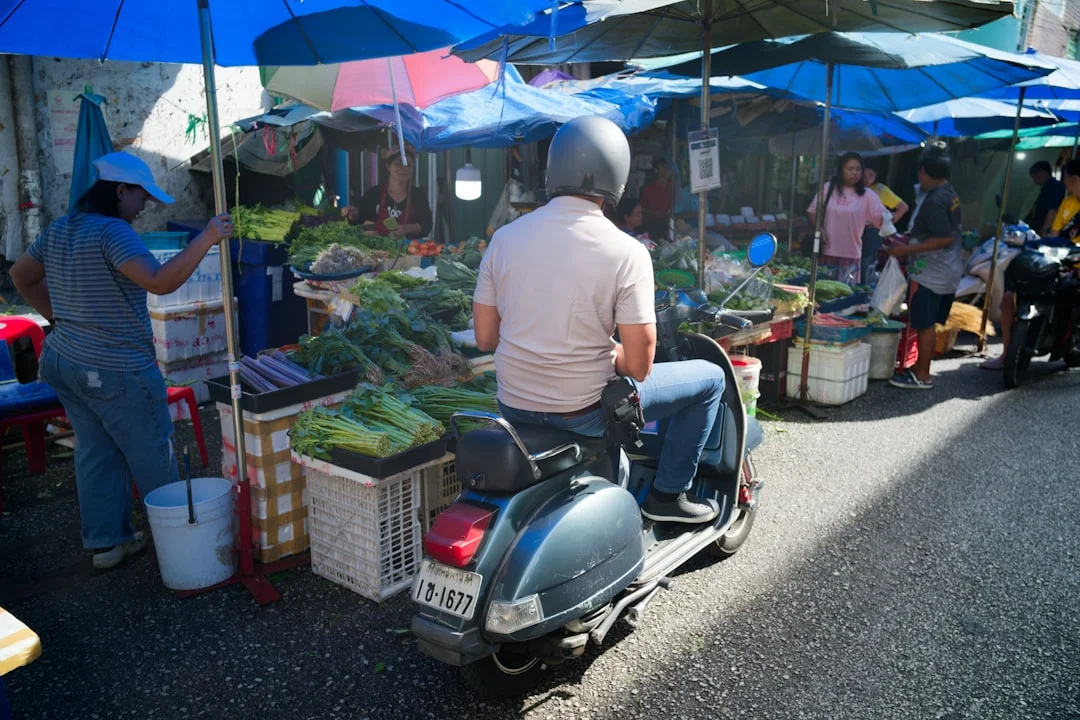
When you're in a Muslim community during Ramadan, you'll immediately notice palpable shifts in the rhythm of daily life that reflect the month's spiritual significance. The pre-dawn period, called Suhoor, carries a particular energy—you'll witness families and individuals waking between 3 and 4 AM to share meals together before the Fajr call to prayer marks the beginning of the fasting day. The atmosphere during these early morning hours feels contemplative and communal, with restaurants and food vendors serving special Ramadan menus designed to provide sustained energy throughout the fasting hours. As daylight progresses, you'll observe that activity levels noticeably decrease during midday, particularly in regions with intense heat. Schools, government offices, and many businesses operate on reduced schedules, acknowledging that fasting individuals experience decreased energy and concentration. The sensory experience shifts dramatically—the usual aroma of street food cooking throughout the day is replaced by quieter streets, fewer vendors, and a more subdued commercial atmosphere. You'll hear fewer horns, see less foot traffic, and notice that public spaces feel almost meditative compared to non-Ramadan periods. The pace of conversation slows; voices carry less urgency. Many fasting individuals experience physical sensations including mild hunger, thirst, and fatigue, though adaptation typically occurs within the first week. The environment itself transforms: humidity and heat feel more pronounced during midday hours, and the light seems harsher when you're observing the fast. As evening approaches around sunset, called Maghrib, the transformation becomes dramatic. The call to prayer echoes across neighborhoods, and you'll witness an almost instantaneous shift in energy as families gather for Iftar, the meal breaking the fast. The sensory experience becomes vivid—the rich aroma of traditional dishes fills streets and homes, sounds of celebration and conversation intensify, and the visual landscape transforms with lights illuminating restaurants, homes, and public gathering spaces. If you're in a Muslim-majority city, you'll see spontaneous gatherings in parks, plazas, and streets where people congregate to share meals together. The sound of joy is palpable—laughter, conversation, and the clinking of glasses create an atmosphere of communal celebration. You'll notice the taste element becomes central to the Ramadan experience; traditional dishes often feature dates (which contain natural sugars for quick energy), water, soups, and rich, flavorful meals. Street vendors set up special Ramadan stalls offering traditional sweets, pastries, and drinks. The entire sensory landscape becomes warmer, more vibrant, more social. Families spend 2-3 hours together during Iftar, and this represents one of the most distinctive aspects of Ramadan—the emphasis on togetherness, gratitude, and mindful eating after the day's abstinence. The spiritual dimension manifests in increased mosque attendance, particularly during Taraweeh prayers that occur after the evening prayer. You'll observe that mosques fill with worshippers, and if you visit during these hours, you'll witness profound devotion—rows of people in prayer, the melodic recitation of Quranic verses, and an atmosphere of deep spiritual focus. Many individuals spend the final 10 nights of Ramadan in Itikaf, a spiritual retreat within the mosque involving continuous fasting, prayer, and Quranic study. The practice of giving Zakat (obligatory charity) increases substantially during Ramadan, so you'll see more visible charitable activities, food distribution programs, and community support initiatives. Honestly, the experience for non-fasting individuals differs significantly from that of fasters. While you won't experience the physical sensations of hunger and thirst, you'll still encounter the cultural and commercial shifts, reduced business hours, and the evening celebrations. The spiritual depth of the practice might feel less tangible if you're observing from outside, though the communal and cultural aspects remain observable and meaningful. Weather conditions significantly impact the experience—Ramadan in summer months (particularly in Middle Eastern, North African, and South Asian regions) intensifies physical challenges, with longer fasting hours and greater heat making the fast more demanding. In contrast, Ramadan during winter months involves shorter fasting periods and cooler temperatures.
Understanding why people fast during Ramadan requires looking beyond the surface of this ancient Islamic practice to grasp its spiritual, cultural, and communal significance. Ramadan fasting, known as Sawm in Arabic, is one of the Five Pillars of Islam and represents a fundamental expression of faith practiced by approximately 1.8 billion Muslims worldwide. This isn't simply about abstaining from food and drink from dawn to sunset for 29 or 30 days—it's a comprehensive spiritual discipline that shapes daily life, social connections, and personal reflection. Here's the thing: the practice originated in the 7th century when Prophet Muhammad received the first Quranic revelations during this lunar month, and it's remained remarkably consistent across cultures and centuries. You'll find that Muslims observe this practice not because they're required to earn entry to paradise through suffering, but because fasting cultivates self-awareness, compassion, and deeper connection to their faith. The experience fundamentally transforms how people relate to food, time, and their communities. While non-Muslims often perceive Ramadan fasting as restrictive or difficult, practitioners describe it as liberating—a time when spiritual focus intensifies and everyday distractions fade. Understanding the theological, historical, and practical dimensions of Ramadan fasting provides essential context for travelers visiting Muslim-majority regions during this significant month, helping you navigate cultural norms and appreciate the profound meaning behind observable changes in daily life.
Visitor Tips
Timing your visit during Ramadan requires understanding how the month affects daily operations and social dynamics. The best time to visit is during evening hours after sunset, particularly between 7 PM and 11 PM, when communities are most active, restaurants operate at full capacity, and the celebratory atmosphere peaks. You'll experience the authentic cultural celebration of Iftar, witness family gatherings, and enjoy traditional foods in their proper context. Avoid visiting during the midday period between 11 AM and 4 PM, when reduced activity, limited restaurant options, and heat make the experience less pleasant. If you're a non-Muslim visitor, be particularly conscious of showing respect during prayer times—you won't be able to enter mosque prayer halls (though some mosques have viewing areas), and you should refrain from eating, drinking, or smoking in public out of respect for those fasting, even though it's technically permitted for non-Muslims. The first few days of Ramadan present less organized experiences since communities are adjusting; the mid-month period offers the best balance of established routines and accessible participation; and the final 10 days increase in spiritual intensity with longer prayer sessions that might limit social activities. Insider knowledge separates memorable visits from disappointing ones during Ramadan. First, book restaurant reservations at least 2-3 weeks in advance, particularly for Iftar dining—popular establishments fill completely during evening hours. Second, recognize that business hours shift dramatically; banks, government offices, and shops often close earlier or operate on different schedules, so plan your errands accordingly. Third, purchase dates (Phoenix dactylifera) before Ramadan begins, as these become expensive and scarce as supplies deplete. Fourth, if you're invited to someone's Iftar meal, arriving 10-15 minutes after sunset is appropriate, and bringing a dessert or beverage is customary. Fifth, understand that caffeine withdrawal affects many fasters, so don't interpret quiet demeanor as unfriendliness—people are managing physical adaptation, not expressing reluctance to socialize. Sixth, visit souks and markets in early morning or late evening rather than midday when they're quiet. Seventh, if you're traveling with young children, recognize that schooling operates on reduced schedules, and routine activities are disrupted—plan accordingly with flexible expectations. Money-saving strategies during Ramadan can actually maximize your experience rather than diminish it. Hotels and airlines often discount rates during Ramadan because leisure tourism decreases, so booking 4-6 weeks ahead can yield 20-30% savings on accommodations. Street food becomes your budget's best friend—Iftar street vendors offer high-quality traditional meals at fraction of restaurant prices. Many restaurants offer special Ramadan menus featuring better value than regular menus; you'll find three-course meals at prices typically charged for single entrees. Consider attending community Iftar events hosted by nonprofits, mosques, or municipalities—these often welcome visitors and require minimal or no cost, providing authentic experiences. Some shopping centers and tourist attractions offer Ramadan promotions and discounts specifically marketed during this period. If you're visiting multiple countries, travel during Ramadan's early days to capture the experience while prices remain lower; by the final week, prices increase as people seek last-minute bookings.
How to Get There
Reaching Ramadan celebrations depends entirely on where you're traveling, as this is a global religious observance practiced across 195 countries. If you're visiting Egypt—home to one of the world's most celebrated Ramadan experiences—you'll likely fly into Cairo International Airport (CAI), located 25 kilometers northeast of downtown Cairo. From the airport, you can take metro line 3 directly to central Cairo for approximately 10 Egyptian pounds (less than one dollar), making it the most economical transit option. Alternatively, prepaid taxis cost 350-450 Egyptian pounds (approximately $7-9 USD) and take 30-45 minutes depending on traffic. If you're visiting the United Arab Emirates, particularly Dubai or Abu Dhabi, you'll arrive at Dubai International (DXB) or Abu Dhabi International (AUH). From Dubai's airport, the metro red line connects directly to downtown areas, with fares starting at 5-10 UAE dirhams. If you're exploring Turkey's Ramadan culture, Istanbul's airports connect via public metro systems costing 5-15 Turkish lira. In Malaysia, where Ramadan celebrations are particularly significant, Kuala Lumpur International Airport connects via express rail costing 75 Malaysian ringgit. Within any destination, you'll find that Ramadan celebrations concentrate in city centers, historic quarters, and areas with significant Muslim populations—downtown zones near major mosques are typically epicenters of activity. Research your specific destination's airport-to-city connections in advance, as public transit options vary significantly. Rideshare applications like Uber and Grab operate in most major cities and provide transparent pricing; however, surge pricing may apply during peak Iftar hours between 7-10 PM. If you're renting a car, note that driving patterns change during Ramadan—more congestion during evening hours and some countries implement modified traffic regulations. Plan transportation assuming 30-50% longer travel times during evening peak hours.
Frequently Asked Questions
Frequently Asked Questions
- What is the primary religious reason Muslims fast during Ramadan?
- Fasting during Ramadan is one of the Five Pillars of Islam, serving as a direct commandment from God in the Quran revealed to Prophet Muhammad. It commemorates the month when the Quran was first revealed in 609 CE, making it the holiest month in the Islamic calendar. Beyond fulfilling a divine obligation, fasting cultivates self-discipline, increases empathy for those experiencing hunger and poverty, and strengthens spiritual connection to God through intentional abstinence and focused prayer. The practice reinforces faith identity and creates communal solidarity among Muslims worldwide.
- How long does the fasting period last each day during Ramadan?
- The daily fasting period extends from Fajr (dawn) to Maghrib (sunset), creating variable fasting durations based on geographic location and seasonal timing. In equatorial regions, fasting typically lasts 12-13 hours consistently year-round. In northern latitudes during summer months, fasting can extend 18-22 hours when Ramadan coincides with long daylight periods. In winter months or southern latitudes, fasting might last only 10-11 hours. The Islamic calendar operates on a lunar cycle, causing Ramadan to shift approximately 11 days earlier each year, cycling through all seasons every 33 years.
- Who is required to fast during Ramadan, and are there exceptions?
- Adult Muslims of sound mind and body are obligated to fast during Ramadan, making this requirement applicable to approximately 1.8 billion individuals globally. Significant exceptions exist for pregnant women, nursing mothers, individuals with serious medical conditions, people traveling long distances, menstruating women, and those over 70 years old—these groups can defer fasting to other days or make alternative compensations. Children typically begin fasting partially around age 7 and fully by adolescence. Individuals may substitute charitable donations or feed 60 people if physical fasting remains impossible due to permanent health conditions.
- What specific foods and drinks are prohibited during fasting hours?
- During fasting hours, Muslims abstain completely from food, water, beverages, and all oral intake from dawn to sunset. This includes medications taken orally, chewing gum, and intentional exposure to smoke or dust. Beyond consumption, fasting also prohibits immoral behaviors including lying, backbiting, arguing, and lustful thoughts—the practice encompasses spiritual and behavioral discipline, not merely physical abstinence. The intention to fast (Niyyah) must be made each night before dawn to ensure the fast's validity according to Islamic jurisprudence.
- How does Ramadan fasting affect work productivity and daily activities?
- Ramadan fasting typically reduces work productivity by 20-35% due to decreased energy, concentration, and focus among fasting individuals, according to workplace studies conducted across Muslim-majority countries. Most businesses operate on reduced schedules, with government offices and schools shifting to shorter workdays. Energy levels decrease progressively throughout the fasting day, reaching minimum levels between 2-4 PM before recovering somewhat after Iftar. Physical sensations including hunger, thirst, and mild dizziness affect cognitive function. Many countries, particularly in the Middle East and North Africa, formally reduce business hours, acknowledge productivity limitations, and adjust work expectations during Ramadan.
- Why is Iftar (the evening meal breaking the fast) considered so important?
- Iftar represents the spiritual and social culmination of each fasting day, transforming personal discipline into communal celebration and gratitude. Families gather to share meals together, reinforcing family bonds and social connections—studies show 60-70% of Muslim families report increased quality time during Ramadan. Iftar includes eating dates and water first (following Prophet Muhammad's tradition), then engaging in prayer before consuming the main meal. This practice cultivates gratitude for food, mindfulness in eating, and compassion for those experiencing poverty. Iftar becomes a moment when fasting individuals experience physical relief and emotional connection, making it psychologically and spiritually restorative.
- How do Muslims prepare spiritually during Ramadan beyond just fasting?
- Spiritual preparation involves increased Quranic recitation, with many Muslims reading the entire Quran (114 chapters) during the month—some complete this through daily scheduled readings. Taraweeh prayers, special evening prayers performed during Ramadan, constitute 20 additional units of prayer beyond regular daily obligations. Many Muslims engage in Itikaf, a spiritual retreat practice where individuals spend the final 10 nights consecutively in the mosque, combining fasting, prayer, and Quranic study. Charitable giving (Zakat) increases substantially, with many Muslims calculating annual obligatory charity during Ramadan. Intentional avoidance of negative behaviors—anger, gossip, dishonesty—complements the physical fast, creating comprehensive spiritual refinement.
- Does Ramadan fasting have documented health benefits or risks?
- Research presents mixed findings: short-term fasting improves certain metabolic markers including blood sugar regulation and reduced inflammation in some individuals, while creating dehydration risks and potential nutritional deficiencies for others. Weight loss typically occurs during Ramadan (averaging 1-2 kg for most practitioners), though much regains after the month ends. Individuals with diabetes, cardiovascular conditions, or eating disorders face legitimate health risks and are typically exempt from fasting. Dehydration remains the most consistent health concern, particularly in hot climates. Medical organizations acknowledge that for healthy individuals, Ramadan fasting presents minimal risks when adequate nutrition occurs during non-fasting hours, though some experience headaches or fatigue during the first week of adjustment.
- How does Ramadan vary across different Muslim cultures and regions?
- While the fasting obligation remains consistent across Islamic tradition, observance practices vary significantly by culture and region. Middle Eastern celebrations emphasize elaborate evening feasts and outdoor family gatherings; North African traditions feature specific regional dishes like harira soup; South Asian communities prepare distinctive rice dishes and sweets; Southeast Asian Muslims incorporate local cuisines into Iftar meals. Some regions practice more lenient social restrictions, while others implement stricter public conduct standards. Weather variations create different experiences—summer heat in Middle Eastern and African regions intensifies physical challenges; temperate-climate countries experience less demanding fasting periods. Cultural practices surrounding prayer, charity distribution, and evening celebrations reflect local traditions while maintaining core Islamic principles.
- What is Laylat al-Qadr, and why is it considered the holiest night of Ramadan?
- Laylat al-Qadr (Night of Power) commemorates the exact night Prophet Muhammad received the first Quranic revelation in 609 CE, making it spiritually the most significant moment in Islamic history. The Quran explicitly states this night occurs during the final 10 nights of Ramadan, and its exact date remains unknown—Muslims traditionally observe nights 21, 23, 25, 27, and 29 with heightened devotion. Worshipping on Laylat al-Qadr carries spiritual reward equivalent to 1,000 months of worship according to Islamic teachings, motivating especially intensive prayer and Quranic recitation. Many Muslims spend this entire night in continuous prayer and meditation, making it the peak spiritual moment of Ramadan and the entire Islamic year.