Your Guide To Hong Kong Art Month: Fairs, Exhibitions & More
Hong Kong's March art calendar has evolved into a defining moment for the global contemporary art market, commanding attention from collectors, curators and institutional players worldwide. The 2026 e
Hong Kong's March art calendar has evolved into a defining moment for the global contemporary art market, commanding attention from collectors, curators and institutional players worldwide. The 2026 edition unfolds across six weeks—starting mid-March with street art festivals and concluding in early April—generating an estimated USD 150 million in direct spending according to preliminary forecasts from the Hong Kong Tourism Board. Art Basel Hong Kong remains the centerpiece, but the proliferation of secondary fairs, museum exhibitions and satellite events has fundamentally altered the competitive landscape. Where once the March art season was dominated by a single mega-fair, 2026 presents a fragmented but arguably more intellectually interesting ecosystem—one that tests whether Hong Kong can sustain multiple high-caliber art events without audience fatigue or economic dilution. Visitors can explore a variety of art styles, ranging from traditional gallery settings to vibrant street art, offering something enticing for every art enthusiast. As this art month blossoms, participants also get the chance to meet artists and industry leaders in person, creating an immersive and interactive experience that extends far beyond typical art viewing.

What to Expect
As you step into Hong Kong during Art Month, prepare to be enveloped by the city's dynamic atmosphere, with colorful street art adorning public spaces and world-class installations gracing iconic venues. You'll hear the symphony of bustling crowds mingling with the soft whispers of engaging lectures and art talks. The scent of fresh paint and the aroma of exotic street food fill the air, inviting you to dive deeper into this artistic wonderland. Art enthusiasts can expect a feast for the senses, with diverse exhibitions showcasing everything from avant-garde sculptures to cutting-edge digital art. Whether you're wandering through the sleek corridors of Art Basel or exploring the open-air galleries of HKWalls, the vibrancy and creativity are palpable in every corner of the city.
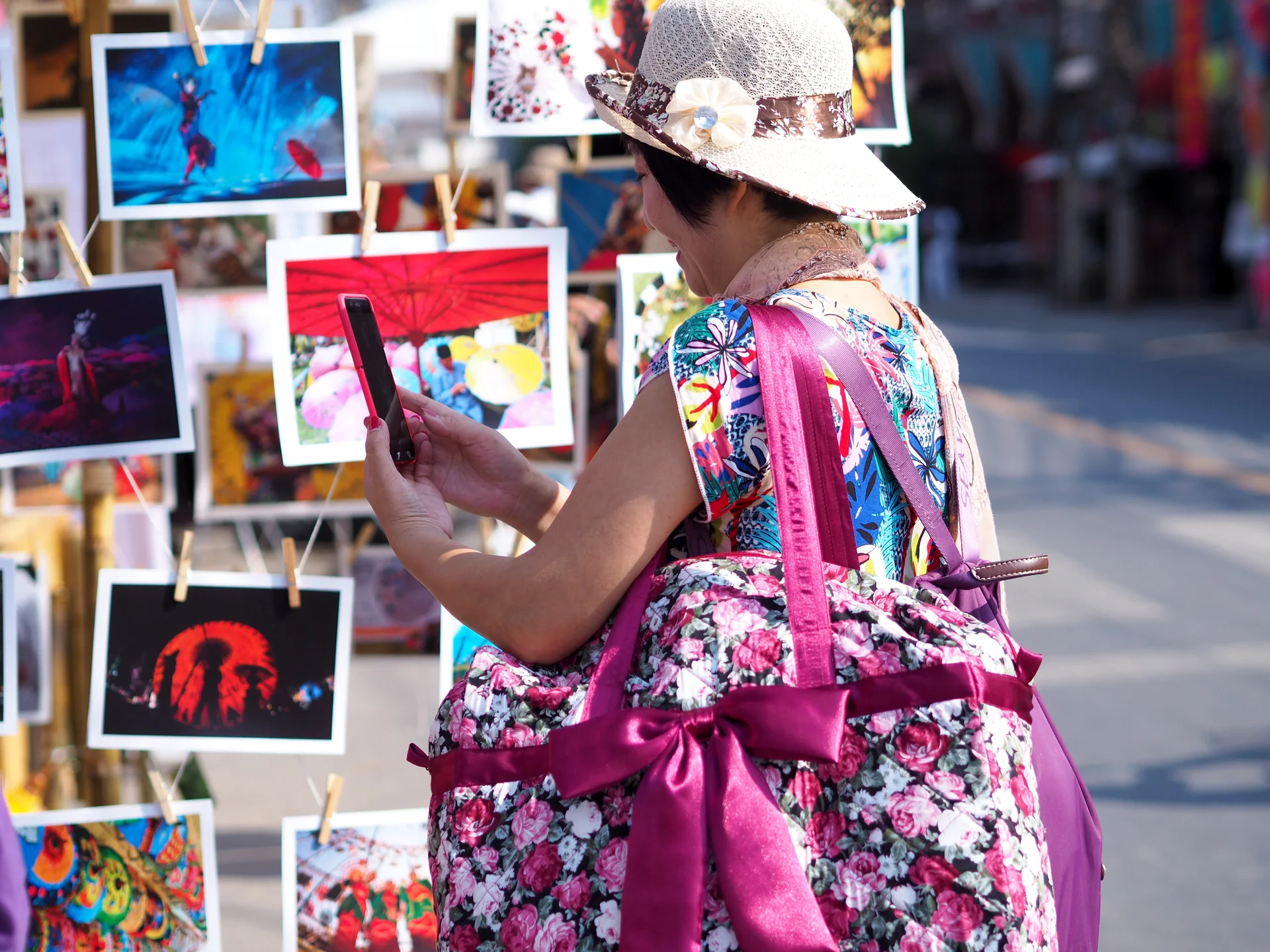
Hong Kong's March art calendar has evolved into a defining moment for the global contemporary art market, commanding attention from collectors, curators and institutional players worldwide. The 2026 edition unfolds across six weeks—starting mid-March with street art festivals and concluding in early April—generating an estimated USD 150 million in direct spending according to preliminary forecasts from the Hong Kong Tourism Board. Art Basel Hong Kong remains the centerpiece, but the proliferation of secondary fairs, museum exhibitions and satellite events has fundamentally altered the competitive landscape. Where once the March art season was dominated by a single mega-fair, 2026 presents a fragmented but arguably more intellectually interesting ecosystem—one that tests whether Hong Kong can sustain multiple high-caliber art events without audience fatigue or economic dilution.
Visitor Tips
Best Time: Plan your visit during the week to avoid weekend crowds at major exhibitions. March's mild weather also makes it ideal for exploring outdoor art installations. Pro Tips: Purchase tickets in advance for popular events like Art Basel and showcase openings. Utilize local apps to track event locations and times. Save Money: Consider multi-event passes that offer access to various exhibitions and fairs at a discounted rate. For dining, local street markets offer delicious and affordable options compared to on-site venues. Exploring Hong Kong during Art Month can be both enriching and economical with a bit of advance planning.
How to Get There
Metro: The MTR is an efficient way to navigate the city, with extensive coverage of key art districts. A single journey from Central to the Hong Kong Convention and Exhibition Centre (Art Basel venue) costs around HKD 10-15, depending on the distance. Octopus cards offer discounted fares and are highly recommended for frequent travel. You can purchase these at any MTR station. Consider a day pass for unlimited travel if you plan to visit multiple venues. Taxi: Taxis are widely available and a convenient option, especially for reaching venues outside the main MTR network. A ride from Central to major art venues like M+ costs about HKD 50–70, but this can increase during peak hours and depending on traffic. Ensure the driver uses the meter. Car: If driving, be prepared for limited parking at popular venues, especially during Art Basel and other major events. Parking fees can be steep, ranging from HKD 30-50 per hour in central locations. Check ahead for parking options near your destination to avoid unnecessary delays and consider using parking apps to find available spaces. Alternatively, consider ride-sharing apps like Uber for more flexibility. Using public transport is often the fastest and most convenient way to get around, especially when large crowds can cause traffic delays.
Frequently Asked Questions
Frequently Asked Questions
- What is the primary focus of Art Month 2026 in Hong Kong?
- Art Month 2026 encompasses six weeks of art fairs, museum exhibitions, street art programming and cultural events running from mid-March through early April. Art Basel Hong Kong (March 27-29) remains the commercial anchor, but Art Central (March 25-29), the 54th Hong Kong Arts Festival (Feb 27-Mar 30), HKWalls street art festival (Mar 21-29) and major institutional exhibitions at M+ and Tai Kwun collectively define the season. The 2026 edition is notably more distributed than previous years, with competing events fragmenting audience attention and curatorial focus across multiple venues and formats.
- How does Art Central's positioning differ from Art Basel Hong Kong?
- Art Central explicitly targets emerging galleries and artists, with 34 percent of 2025 exhibitors being first-time fair participants compared to 8 percent at Art Basel. Booth costs at Art Central are substantially lower, creating accessibility for mid-tier galleries that cannot sustain Art Basel's USD 18,000-150,000 booth fees. Art Central also emphasizes sociopolitical issues and regional art trends over blue-chip market consolidation, operating as a deliberate curatorial counterweight to Art Basel's commercial dominance.
- Why is HKWalls street art festival considered significant for Hong Kong's art market?
- HKWalls legitimizes street art as institutional cultural practice, challenging the historical exclusion of public and grassroots art from canonical art-world hierarchies. Collector surveys show 41 percent of collectors under 45 report increased interest in street art since 2023. By securing backing from West Kowloon Cultural District and PMQ, HKWalls signals institutional curatorial authority previously reserved for gallery-based work, reshaping what Hong Kong's institutions recognize as 'art' worthy of serious engagement.
- What economic constraints affect Art Month's sustainability in Hong Kong?
- Collector spending in Hong Kong has remained flat from 2023-2025 despite apparent market growth, suggesting capital is redistributing across more venues rather than growing overall. Production costs for fairs and exhibitions have risen 18-24 percent since 2023, creating margin pressure on organizers. International visa processing delays of 6-12 weeks have created logistical friction for foreign galleries. The Hong Kong government is subsidizing cultural programming through West Kowloon and the Tourism Board to maintain Hong Kong's competitive position against Singapore and Shanghai, but the long-term viability of this subsidy model depends on collector demand recovery.
- Which museum exhibition should serious collectors prioritize during Art Month 2026?
- M+'s 'Lee Bul: From 1998 to Now' is the most significant institutional exhibition, surveying the South Korean artist's three-decade practice across architectural installations and sci-fi-inflected sculptural work. This is a primary curatorial statement, not a secondary program, and draws serious collectors and critics away from the fair circuit. The exhibition runs through Art Month and beyond, making it a foundational reference point for understanding contemporary Asian art discourse in 2026.