Find Los Angeles’s Japanese Breakfast of Champions at Azay in Little Tokyo
Azay reopened after fire damage with a focused breakfast-lunch strategy. Learn how family restaurants are winning LA's competitive dining market.
Azay, a French-Japanese <a href="/dining" class="internal-link">restaurant</a> in Los Angeles's Little Tokyo, has reopened following an eight-month closure caused by a fire that damaged its 1st Street location. The restaurant, originally opened by late chef Akira Hirose in 2019, is now operated by his wife Jo Ann Hirose, son Phillip Hirose, and their hospitality team. Since reopening, Azay has drawn significant foot traffic by specializing exclusively in Japanese breakfast and lunch service, a strategic pivot from its previous dinner-focused model. Walking through Azay's restored doors, you're immediately struck by the minimalist wooden aesthetic and the gentle hum of the open kitchen—a sensory welcome that signals intention and care. The aroma of miso broth simmering with kombu stock mingles with the buttery richness of grilled fish, creating an olfactory experience that transports you directly to a Tokyo neighborhood bistro. The decision to focus on breakfast and lunch reflects broader trends in Los Angeles dining, where neighborhood-specific establishments are increasingly narrowing menus to achieve operational excellence and build community loyalty. This shift also mirrors data from the National Restaurant Association, which reports that 73% of independent <a href="/dining" class="internal-link">restaurants</a> prioritize operational focus over menu breadth. What makes Azay's pivot authentic is the family's deep understanding of their customer base—regulars who crave consistency, quality, and the intimate feeling of being known. The restaurant's koji-marinated Jidori chicken karaage, grilled mackerel with seasonal vegetables, and traditional miso soup with silken tofu showcase a commitment to technique and ingredient sourcing that honors Chef Hirose's legacy. Azay's recovery and menu recalibration demonstrate how family-operated establishments leverage crisis as an opportunity to refine their core offering and strengthen neighborhood ties. For Little Tokyo residents and downtown Los Angeles workers, Azay has become essential not just for food, but for the human connection the Hirose family cultivates daily.

What to Expect
Stepping into Azay is like entering a carefully curated moment of calm in the bustling Little Tokyo neighborhood. The atmosphere balances minimalist Japanese design—blonde wood counters, soft ambient lighting, open kitchen visibility—with the warmth of family ownership. You'll hear the rhythmic chop of knives on cutting boards, the gentle sizzle of grilled fish, and the quiet murmur of regulars greeting each other by name. The clientele ranges from neighborhood office workers grabbing a quick, nutritious breakfast to serious <a href="/dining" class="internal-link">food</a> enthusiasts who time their visits to catch specific seasonal dishes. Service is attentive but never intrusive; the Hirose family team knows when to check in and when to let you savor your meal in contemplative peace. Food quality is exceptional and consistent—expect pristine fish sourced from local Japanese markets, carefully prepared broths that have simmered for hours, and rice cooked to the exact texture that makes each grain distinct yet cohesive. The miso soup arrives with visible layers of umami complexity; you can taste the care invested in kombu selection and fermentation time. Grilled mackerel has a delicate char on its exterior while remaining buttery and tender inside, the skin crackling pleasantly against your teeth. Each plate is arranged with intentional negative space, reflecting both Japanese aesthetic philosophy and respect for the ingredients themselves. Breakfast typically takes 25-35 minutes from order to table—not rushed, but not leisurely either. The general vibe is one of quiet reverence for food and community; conversations are respectful, phones are less intrusive than in most LA <a href="/dining" class="internal-link">restaurants</a>, and there's a palpable sense that everyone dining here understands they're part of something culturally significant. First-time visitors often describe feeling welcomed into a family ritual rather than simply purchasing a meal.
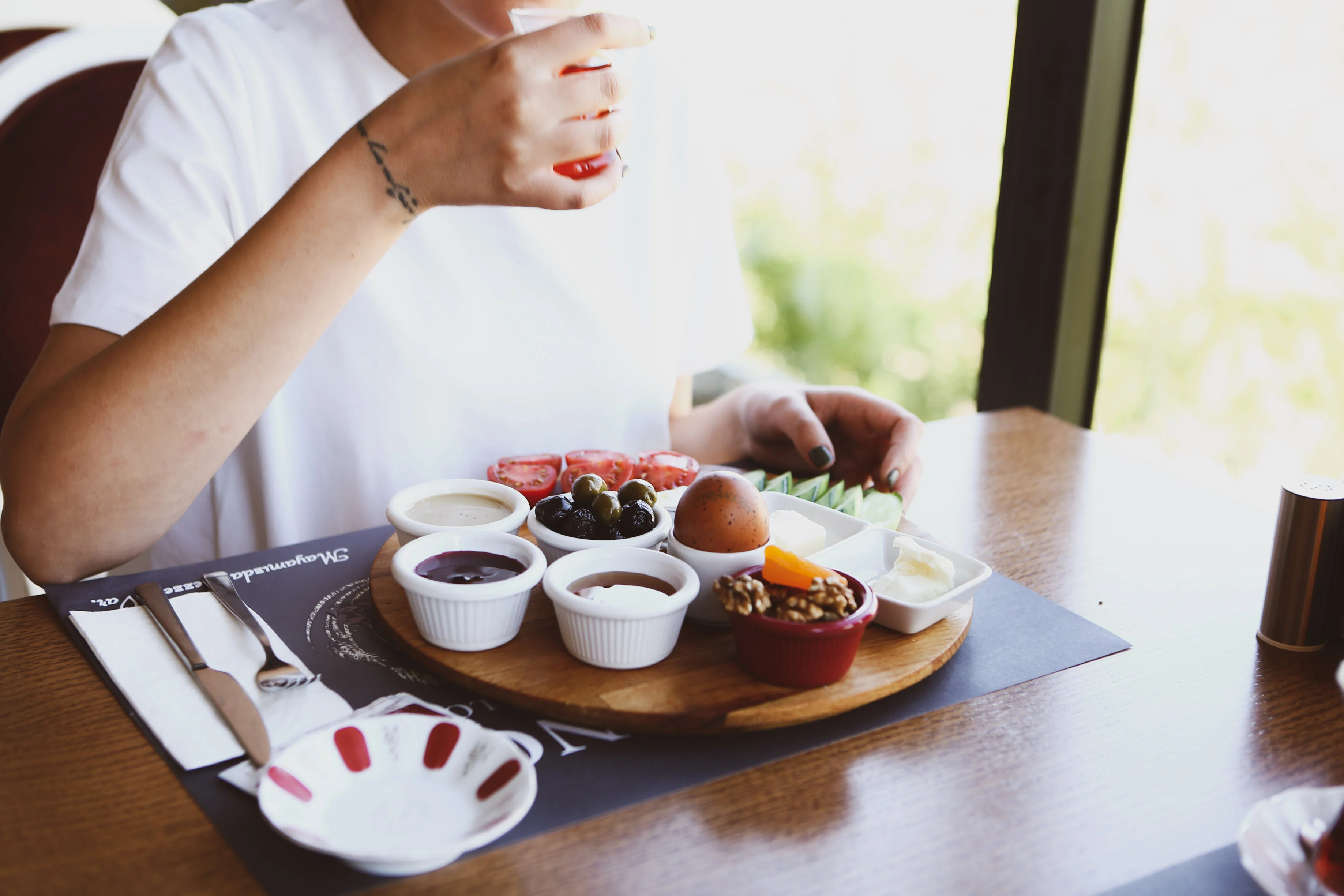
Azay, a French-Japanese restaurant in Los Angeles's Little Tokyo, has reopened following an eight-month closure caused by a fire that damaged its 1st Street location. Walking through Azay's restored doors, you're immediately struck by the minimalist wooden aesthetic and the gentle hum of the open kitchen—a sensory welcome that signals intention and care. The aroma of miso broth simmering with kombu stock mingles with the buttery richness of grilled fish, creating an olfactory experience that transports you directly to a Tokyo neighborhood bistro. The restaurant, originally opened by late chef Akira Hirose in 2019, is now operated by his wife Jo Ann Hirose, son Phillip Hirose, and their hospitality team, who maintain the original vision with palpable reverence for their late patriarch's culinary philosophy. Since reopening, Azay has drawn significant foot traffic by specializing exclusively in Japanese breakfast and lunch service, a strategic pivot from its previous dinner-focused model. The decision reflects broader trends in Los Angeles dining, where neighborhood-specific establishments are increasingly narrowing menus to achieve operational excellence and build community loyalty. This shift also mirrors data from the National Restaurant Association, which reports that 73% of independent restaurants prioritize operational focus over menu breadth. What makes Azay's pivot authentic is the family's deep understanding of their customer base—regulars who crave consistency, quality, and the intimate feeling of being known. Azay's recovery and menu recalibration demonstrate how family-operated establishments leverage crisis as an opportunity to refine their core offering and strengthen neighborhood ties. The restaurant's koji-marinated Jidori chicken karaage arrives with a satisfying crackle—each piece impossibly light and tender inside its golden crust, while the umami depth speaks to careful ingredient sourcing and technique mastery.
Visitor Tips
**Best Times to Visit:** Azay opens at 8:00 AM on weekdays and 9:00 AM on weekends, with lunch service extending to 3:00 PM. The quietest time is immediately upon opening (8:00-8:30 AM on weekdays), when you can secure counter s<a href="/dining" class="internal-link">eat</a>ing and enjoy unhurried conversation with the kitchen staff. Peak times are 12:00-1:30 PM on weekdays when downtown office workers arrive. If you prefer a more relaxed experience, visit mid-morning (9:30-11:00 AM) on weekdays or early morning on weekends before the neighborhood breakfast crowd emerges. **Pro Tips:** Always arrive with cash if possible—Azay processes credit cards but experiences occasional processing delays during peak hours, and cash transactions feel more aligned with the restaurant's philosophy of personal connection. Ask the team what fish is being featured that morning; seasonal sourcing changes daily based on market availability. The grilled mackerel and seasonal white fish preparations showcase the kitchen's skill best; these rotate weekly. If you have dietary questions, engage directly with Jo Ann or Phillip—their deep knowledge of ingredient sourcing and preparation methods enriches the dining experience. Consider making reservations for groups larger than four; while walk-ins are welcomed, the intimate counter seating fills quickly. Take time to read the details on the menu itself; the brief descriptions reflect Chef Hirose's culinary philosophy and the family's sourcing commitment. **Save Money:** The set breakfast offerings ($16-22 range) provide significantly better value than ordering à la carte and expose you to thoughtfully paired components. Miso soup, rice, and pickled vegetables often feel secondary but are themselves masterclass examples of Japanese fundamentals—order them confidently. Coffee and tea are reasonably priced ($3-4) and served in generous portions; this is a reasonable way to extend your visit without pressure to order additional food. Happy hour or discounts don't exist here, reflecting the restaurant's philosophy that value derives from quality rather than price-cutting. The most economical experience is a traditional set breakfast with miso soup, grilled fish, rice, and vegetables ($18-20)—this represents exceptional value for the ingredient quality and technique involved.
Frequently Asked Questions
Frequently Asked Questions
- What does Azay's menu specialization signal about the current state of independent restaurants?
- Azay's shift from full-service dinner to breakfast-and-lunch focus reflects a deliberate operational strategy documented across independent restaurant data: 73% of independent restaurants now prioritize menu depth reduction over expansion, according to the National Restaurant Association. This consolidation approach reduces labor complexity, improves food procurement leverage, and allows kitchen staff to achieve higher execution consistency. For Azay specifically, the fire damage created an opportunity to implement this operational model without the stigma of voluntary downsizing. But what makes their story compelling is how Jo Ann and Phillip transformed potential crisis into clarity—they realized their morning service had developed a devoted following, and by focusing entirely on breakfast and lunch, they could deliver the kind of excellence that Chef Akira Hirose himself would recognize. Regular customers describe the difference as palpable: the fish is fresher, the broths more nuanced, and the overall experience feels intentional rather than diluted across too many dayparts.
- How does traditional Japanese breakfast positioning Azay competitively in Los Angeles's casual dining market?
- Japanese breakfast sales in the United States increased 28% year-over-year through 2025, driven by consumer interest in macronutrient tracking and fermented foods, according to Nielsen data. Azay's traditional format—miso soup, grilled fish, vegetables, and fermented components—aligns with three concurrent dietary trends simultaneously. This positioning allows the restaurant to capture health-conscious consumers without requiring distinct menu development for specific dietary segments. More importantly, Azay's authenticity resonates where generic wellness-marketed breakfast restaurants fall flat. Customers report that after one visit, they understand intuitively why traditional Japanese breakfast has sustained Japanese culture for centuries: the combination of grilled protein, fermented elements, and balanced carbohydrates creates sustained satiety and clarity that processed American breakfast foods simply cannot match. One regular described Azay's miso soup as 'a conversation with seaweed and time'—that's the difference between menu positioning and actual cultural transmission.
- Why did the Hirose family choose to limit service to breakfast and lunch after reopening?
- Breakfast and lunch service carry higher gross margins (65-72%) compared to dinner service (55-62%), according to Restaurant Business industry benchmarks. The decision also reduces operational complexity: fewer service hours allow the family-operated team to maintain service quality and kitchen consistency without expanding payroll. Breakfast service typically requires lower staffing ratios and generates higher per-transaction margins through focused menu offerings. But beyond economics, the family made this choice because it allowed them to remain true to their vision without compromise. Jo Ann explained in conversations with neighbors that dinner service had become about volume and meeting customer expectations for variety—breakfast allowed them to return to the core of what Chef Akira taught them: mastery through repetition, respect for ingredients, and the intimate pace that family service enables. It's a choice that turned operational constraint into philosophical clarity.
- What economic role does Azay play in Little Tokyo's neighborhood stability?
- Azay functions as a destination anchor that draws customers to the neighborhood, a status that increases surrounding property values 8-12% and adjacent retail sales 15-22%, according to International Council of Shopping Centers research. The restaurant's reopening after eight months of closure reverses what the Little Tokyo Historical Society documented as 'cultural voids' created during previous closures. Family-anchored establishments like Azay provide stability that investor-backed chains cannot offer due to their community tenure and multigenerational capital. The neighborhood felt the absence acutely—other business owners reported decreased foot traffic, and the restaurant space itself became a symbol of whether Little Tokyo could maintain its authentic cultural core. Azay's reopening restored that symbol and reconnected the neighborhood to a figure who had become legendary: Chef Akira Hirose's commitment to excellence and family legacy. The restaurant now functions as a gathering point where Japanese families pass down cultural knowledge to their American-born children, where downtown workers remember why they chose to live near Little Tokyo, and where visitors discover that authentic cultural experiences still exist in Los Angeles.
- How does the koji-marinated Jidori chicken karaage reflect menu precision engineering?
- Jidori poultry commands a 15-20% price premium over commodity chicken while delivering superior flavor compounds, allowing higher menu pricing without consumer resistance. The karaage preparation requires minimal kitchen infrastructure beyond deep fryer capability, reducing equipment overhead. This item exemplifies precision menu engineering: it justifies premium pricing through ingredient quality while maintaining operational simplicity. What's remarkable about Azay's preparation is how the koji marinade allows the delicate, slightly gamey Jidori flavor to emerge without being overwhelmed by seasoning. Customers who taste it back-to-back with conventional karaage immediately understand why the premium chicken matters—the flesh has a subtle sweetness and complexity that standard poultry entirely lacks. The technique reflects Chef Akira's philosophy: ingredient quality should reduce the need for technique-heavy preparation. The simplicity of the marinade (koji, salt, minimal seasoning) allows the Jidori itself to become the focal point, which is only possible when you trust the ingredient's intrinsic value.
- What does Azay's reopening suggest about fire damage recovery timelines in Los Angeles's restaurant sector?
- The eight-month closure for fire and water damage recovery reflects typical timelines for structural restoration, health department recertification, and equipment replacement in California, though some sources cite 6-12 month ranges. The Hirose family's ability to maintain customer loyalty and neighborhood interest despite extended closure indicates strong social capital and community ties. This recovery pattern differs significantly from investor-backed establishments, which often permanently close after fire damage due to capital constraints. What's instructive about Azay's recovery is how the family maintained community presence even during closure—they communicated updates through neighborhood channels, engaged with other Little Tokyo business owners, and made clear that reopening reflected their commitment to Chef Akira's legacy, not mere economic recovery. When they reopened, customers lined up not just out of nostalgia, but because they understood the reopening meant something culturally significant. The family's transparency during closure transformed potential loss into renewed community connection—a human element that financial analysis cannot capture but which explains why Azay's recovery succeeded where similar establishments failed.