Goldburger’s Smashed Patties Remain One of Los Angeles’s Best
Since opening its first permanent location in Highland Park during the pandemic, Goldburger has grown from a 2018 pop-up into a three-location Los Angeles institution recognized by Eater LA and other
Since opening its first permanent location in Highland Park during the pandemic, Goldburger has grown from a 2018 pop-up into a three-location Los Angeles institution recognized by Eater LA and other local food publications. What distinguishes Goldburger from the saturated smash burger market isn't novelty but rather execution rooted in ingredient sourcing and technique—the restaurant sources grass-fed California beef, bakes buns locally with daily delivery, and prepares sauces in-house. These operational choices typically require margins incompatible with counter-service pricing, yet Goldburger maintains a business model where a double smash burger with quality toppings costs less than twenty dollars across all three locations.

What to Expect
Expect a streamlined counter-service experience designed for speed without sacrificing quality. You'll encounter a radically simplified menu focused on a handful of core burger items, sides, and beverages—this discipline creates consistency across locations. The atmosphere varies by neighborhood: the original Highland Park location maintains its walk-up window format with minimal seating, while newer locations offer slightly more space but retain the casual, fast-casual vibe. Preparation happens quickly, typically five to seven minutes from order to pickup, allowing you to observe the cooking process through the counter window. You'll notice the intensity of the kitchen operation—multiple cooks working simultaneously on smash burgers, the constant sound of sizzling, the focused choreography of a high-volume burger production system executing the same items repeatedly. Expect to encounter other burger enthusiasts during peak hours (lunch 11:30am-1:30pm, dinner 6pm-8pm), making timing important for a more relaxed visit. The burger arrives wrapped in paper, still warm, with the aroma of beef and caramelized crust immediately apparent. Quality toppings remain visible and intentional—crisp lettuce, properly charred onions, fresh-tasting sauces—suggesting ingredient quality matters throughout the production process.
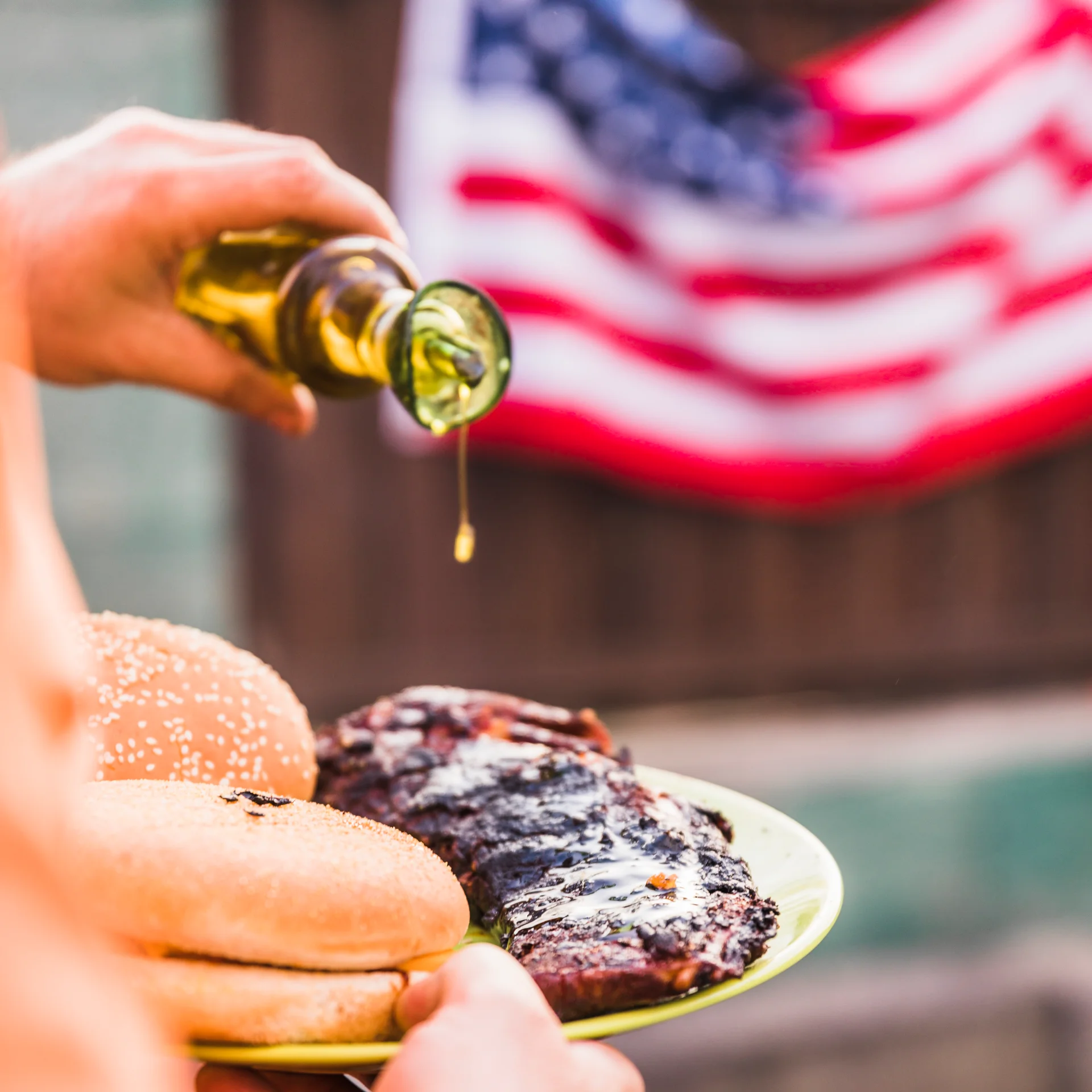
Walk into any Goldburger location and the first thing that hits you is the unmistakable aroma of beef hitting a searing griddle—a sharp, caramelized smell that fills the narrow space instantly. You'll hear the rhythmic scraping of spatulas against hot metal, the sizzle and pop of fat rendering from grass-fed California beef, and the crisp crack as fresh buns toast. The counter gleams with stainless steel, and you can watch cooks press smash burgers with practiced precision, creating those deeply browned, crispy edges that give the burger its textural identity. The patties emerge glistening, the beef's natural juices intensifying through the Maillard reaction, releasing umami-rich aromas that make your mouth water before you've even placed an order. As you bite into a burger, the crisp exterior gives way to a buttery, medium-rare interior, the bun's slight char and subtle sweetness complementing the savory beef. The toppings—whether shredded lettuce with its cool crunch or grilled onions with their concentrated sweetness—add textural contrast and flavor complexity. The whole experience unfolds in under five minutes from order to first bite, yet the quality suggests hours of preparation and sourcing decisions.
How to Get There
Metro: Take the Metro L Line (Gold) to the Highland Park/Southwest Museum station for the original Highland Park location—approximately 15-minute walk from the station. Service runs every 8-12 minutes during peak hours. Full-day Metro pass costs $7.50 or $1.75 per ride. Taxi/Rideshare: Uber and Lyft typically charge $8-15 from downtown Los Angeles to any Goldburger location depending on traffic and surge pricing. Surge pricing increases 40-60% during lunch (11:30am-1:30pm) and dinner (6pm-8pm) service. Taxi from downtown approximately $18-22 depending on location. Car: All three Goldburger locations have limited free street parking (typically 2-4 spaces within one block). Parking apps like SpotHero show nearby paid parking ($2-4 per hour) within one block of each location. Expect 15-30 minute parking search during peak hours. Driving from downtown Los Angeles takes 25-40 minutes depending on traffic, with peak congestion 8-10am and 4-7pm on weekdays.
Frequently Asked Questions
Frequently Asked Questions
- What distinguishes Goldburger's smash burgers from competitors using the same technique?
- Here's the thing—every burger place claims they're different, but Goldburger actually backs it up. They source grass-fed California beef, use locally baked buns with daily delivery, and make sauces in-house rather than relying on commercial suppliers. A regular smash burger restaurant might use commodity beef and regional bun suppliers to optimize their profit margins, which frankly, you can taste. The difference isn't just subtle—when you bite into a Goldburger, that beef tastes noticeably richer, more complex. The buns have a slight sweetness and perfect crumb structure because they're actually fresh. It's the kind of attention to foundational ingredients that transforms a burger from good to memorable.
- How does Goldburger maintain consistent quality across three different locations?
- Consistency across multiple restaurants is genuinely difficult—most chains fail at this. Goldburger's secret? Radical menu simplification. Instead of trying to execute 50 different items, they focus on a handful of core burgers. This removes variables that trip up other restaurants. Their training process emphasizes specific preparation methods and sourcing standards, so every location follows the same playbook. What really sets them apart is that managers and ownership stay close to daily operations—they're not running the business from some distant corporate office. This proximity creates real-time quality feedback and genuine staff accountability. You know when leadership actually cares about what's being served because you can taste it in the final product.
- Why did Goldburger survive the pandemic when most restaurant startups failed?
- Lucky timing mixed with smart adaptation. The Highland Park location opened right during lockdowns with a walk-up window format that actually worked within health regulations and how people wanted to eat during that period. When restaurants with indoor dining-dependent models collapsed, Goldburger was generating revenue through a format that felt safer to customers. What's interesting is they kept the walk-up window after restrictions lifted—suggesting it created a competitive advantage beyond just pandemic survival. That willingness to embrace an unconventional format rather than chase traditional restaurant aesthetics probably saved them.
- What makes the California Classic burger different from the Goldburger signature item?
- These two burgers practically have different philosophies. The California Classic uses shredded lettuce and diced onions with a house-made Thousand Island-approximating sauce that creates brightness and acidity—it's designed to balance the beef's richness with freshness. The Goldburger signature takes the opposite approach: double patty with grilled onions and garlic-mustard aioli that emphasizes beef intensity and pure umami. One burger feels lighter and more refreshing, perfect if you want contrast. The other is almost meditative in its beef-forward simplicity. Order whichever matches your mood—there's no objectively "best" burger here, just different sensory experiences.
- Is the chili cheese fries special worth ordering over regular menu items?
- Yes, but with caveats. Staff actually recommend requesting curly fries instead of regular fries because the crimped surface area holds chili and seasoning better—it's the kind of detail that shows intentional menu design rather than an afterthought. Extra onions and fresh chiles offset the meatiness of the chili, creating better balance. The real limitation? Availability varies sporadically rather than appearing daily, so ask before ordering. When they have it, it's worth it. When they don't, the regular fries with a burger remain the better option.